
![[object Object] icon](/_next/static/media/home.59b745c9.svg)

![[object Object] icon](/_next/static/media/buy.57cae078.svg)
![[object Object] icon](/_next/static/media/rent.2864d22a.svg)
![[object Object] icon](/_next/static/media/commercial.5f5f9bbc.svg)
![[object Object] icon](/_next/static/media/condos.8a55189e.svg)
![[object Object] icon](/_next/static/media/newLaunches.e1f1ccfd.svg)
![[object Object] icon](/_next/static/media/agents.9f8252e2.svg)
![[object Object] icon](/_next/static/media/guides.f567fc08.svg)
![[object Object] icon](/_next/static/media/contactUs.a39ef3b7.svg)
![[object Object] icon](/_next/static/media/aboutUs.e47cbd6d.svg)
)

Home Improvement Market Growth Malaysia: Why Renovation, DIY, and Retail Are Booming in 2026
Key Takeaways
- Strong Market Growth: Malaysia’s home improvement sector is expanding steadily due to rising incomes and urbanization.
- DIY Culture Boom: More homeowners are taking on projects themselves, supported by accessible tools and tutorials.
- Retail Expansion: Large retail chains and hardware stores are fueling market accessibility and growth.
- Financing Support: Increased access to consumer credit enables more renovation and upgrade projects.
- Lifestyle Shift: Homes are becoming multifunctional spaces, driving demand for improvements.
A Market on the Rise
Malaysia’s home improvement sector is growing rapidly, driven by rising incomes, urbanization, and a strong retail ecosystem. Consumers are increasingly spending on renovation and DIY projects to enhance their living spaces1.
Recent years have shown consistent expansion in market size, with clear upward trends and long-term growth projections indicating continued momentum well into the next decade2.
This shift highlights how home improvement has evolved from a niche activity into a mainstream lifestyle choice embraced by a growing number of Malaysians3.
What’s Driving Home Improvement Growth in Malaysia?
1. Rising Disposable Income
As incomes rise, homeowners are investing more in upgrading their living spaces rather than just maintaining them, turning homes into long-term assets and lifestyle statements.
- Better kitchens and bathrooms
- Smart home upgrades
- Energy-efficient improvements
2. Urbanization and Smaller Living Spaces
Urban living is pushing more Malaysians into compact homes, increasing demand for efficient layouts, smart storage, and multifunctional design solutions.
- Maximizing space with custom furniture
- Functional and aesthetic redesigns
- Multi-purpose home features
3. The Rise of DIY Culture
DIY culture is gaining traction as consumers become more confident in handling home projects, supported by digital content and affordable tools available in the market4.
- Painting walls independently
- Installing shelves and fixtures
- Handling minor repairs
4. Strong Retail Ecosystem
A well-developed retail sector, including hardware chains and specialty stores, ensures easy access to materials and tools, enabling both professionals and homeowners to complete projects efficiently.
The Role of MR DIY: A Malaysian Success Story
MR DIY represents a major success story in Malaysia’s home improvement space, growing from a single store into a billion-dollar retail powerhouse by meeting demand for affordable tools and household products5.
The company’s strong market presence and recognition highlight the scale of opportunity within Malaysia’s home improvement industry6.
Financing the Boom: The Role of Consumer Credit
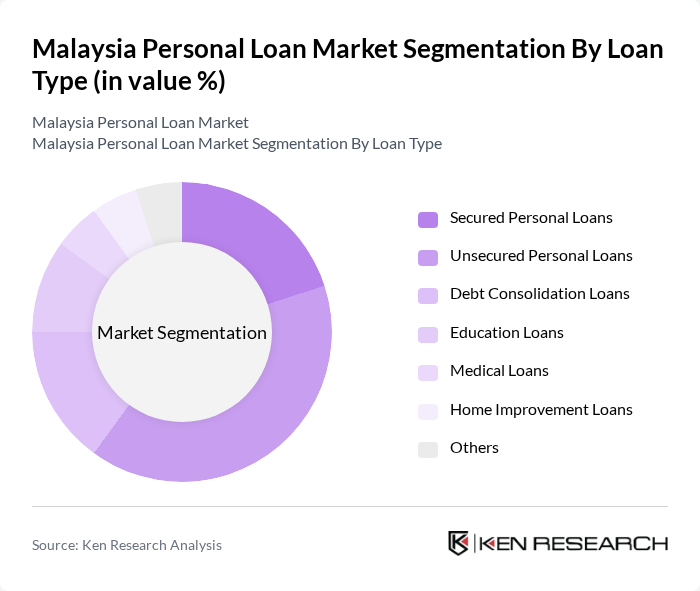
Access to financing has become a key driver of market growth, allowing homeowners to undertake renovations without upfront financial strain, supported by expanding personal loan options7.
Types of Home Improvement Projects on the Rise
- Repairs: Fixing structural or maintenance issues
- Renovations: Upgrading interiors and layouts
- Upgrades: Adding smart or energy-efficient features
A Regional Perspective: ASEAN Trends
Across Southeast Asia, similar patterns of rising income and urban development are fueling demand for home improvement, positioning Malaysia within a broader regional growth trend8.
Global Comparisons: A Worldwide Movement
Globally, the home improvement sector continues to expand, with markets like the United States and India showing strong growth and evolving consumer preferences toward full home transformations9.
Long-term forecasts indicate significant global expansion, reinforcing the sector’s importance in both economic and lifestyle contexts10.
Visualizing the Growth
)
Growth trends across repairs, renovations, and upgrades within Malaysia’s expanding home improvement sector
Changing Consumer Mindsets
Homes are increasingly viewed as multifunctional spaces that combine work, relaxation, and personal expression, driving more investment in customization and comfort.
Opportunities for Businesses
- Retailers: Expanding product accessibility
- Contractors: Rising demand for renovation expertise
- Tech Companies: Growth in smart home solutions
- Financial Services: Increased demand for renovation financing
Challenges to Watch
- Rising material costs
- Labor shortages
- Economic uncertainty
What’s Next for Malaysia’s Home Improvement Market?
- Expansion of smart home technologies
- Greater focus on sustainability
- Continued DIY adoption
- Growth in e-commerce channels
Final Thoughts
The Home Improvement Market Growth Malaysia story reflects a broader transformation in how people live, invest, and personalize their spaces.
With strong economic drivers, evolving consumer behavior, and continued innovation, the sector is well-positioned for sustained growth in the years ahead.
Frequently Asked Questions
Question: Why is the home improvement market growing in Malaysia?
Answer: Growth is driven by rising incomes, urbanization, DIY culture, and better access to retail products and financing.
Question: What types of home improvement projects are most popular?
Answer: Common projects include repairs, renovations, and upgrades such as smart home installations and energy-efficient improvements.
Question: How does DIY culture impact the market?
Answer: DIY culture increases consumer participation in home projects, boosting demand for tools, materials, and retail products.
Disclaimer: The information is provided for general information only. JYMS Properties makes no representations or warranties in relation to the information, including but not limited to any representation or warranty as to the fitness for any particular purpose of the information to the fullest extent permitted by law. While every effort has been made to ensure that the information provided in this article is accurate, reliable, and complete as of the time of writing, the information provided in this article should not be relied upon to make any financial, investment, real estate or legal decisions. Additionally, the information should not substitute advice from a trained professional who can take into account your personal facts and circumstances, and we accept no liability if you use the information to form decisions.