
![[object Object] icon](/_next/static/media/home.59b745c9.svg)

![[object Object] icon](/_next/static/media/buy.57cae078.svg)
![[object Object] icon](/_next/static/media/rent.2864d22a.svg)
![[object Object] icon](/_next/static/media/commercial.5f5f9bbc.svg)
![[object Object] icon](/_next/static/media/condos.8a55189e.svg)
![[object Object] icon](/_next/static/media/newLaunches.e1f1ccfd.svg)
![[object Object] icon](/_next/static/media/agents.9f8252e2.svg)
![[object Object] icon](/_next/static/media/guides.f567fc08.svg)
![[object Object] icon](/_next/static/media/contactUs.a39ef3b7.svg)
![[object Object] icon](/_next/static/media/aboutUs.e47cbd6d.svg)
)

Malaysian Home Improvement Market Size and Growth: A Rapidly Expanding Industry in 2026
Key Takeaways
- Strong Market Growth: Malaysia’s home improvement sector is expanding steadily due to rising demand and economic factors.
- Mr. DIY Dominance: A major retail player shaping the industry through affordability and scale.
- Consumer Behavior Shift: More Malaysians are investing in home upgrades and lifestyle improvements.
- Retail and Infrastructure Support: Strong logistics and retail systems are enabling rapid industry growth.
- Future Opportunities: Digital tools, sustainability, and smart homes will drive the next phase of expansion.
A Market on the Rise
The Malaysian home improvement market has been steadily expanding over the past few years, with clear upward trends and strong projections for the future1.
Long-term forecasts indicate that growth will continue through 2030, supported by urbanization, rising incomes, and increased interest in home ownership and renovation2.
In simple terms, more Malaysians are not only buying homes but actively investing in improving them, reflecting broader lifestyle and economic changes.
The Mr. DIY Effect: From One Store to a $5 Billion Empire
Mr. DIY has become a defining force in Malaysia’s home improvement sector, growing from a single store into a multi-billion-dollar retail empire3.
The company’s success is built on a simple but powerful model: low prices, wide product variety, and strong operational efficiency4.
Its leadership position has also been recognized through major industry awards, reinforcing its role as a market leader5.
The company’s growth reflects how the home improvement sector in Malaysia has evolved into a major retail segment rather than a niche category.
What’s Driving Consumer Demand?
Consumer demand in Malaysia’s home improvement market is being shaped by changing lifestyles, increased time spent at home, and a growing interest in personalization and comfort.
- Homes are becoming lifestyle spaces focused on comfort and design
- Affordable products make upgrades accessible to more consumers
- Urban living drives demand for compact and efficient solutions
- Digital content inspires DIY projects and creativity
These shifts highlight how home improvement is becoming part of everyday living rather than an occasional expense.
Malaysia’s Retail Industry: A Strong Backbone
The growth of the home improvement sector is closely tied to Malaysia’s evolving retail landscape and strong infrastructure support6.
Efficient logistics systems, including world-class ports, enable faster product movement and cost efficiency, benefiting both retailers and consumers.
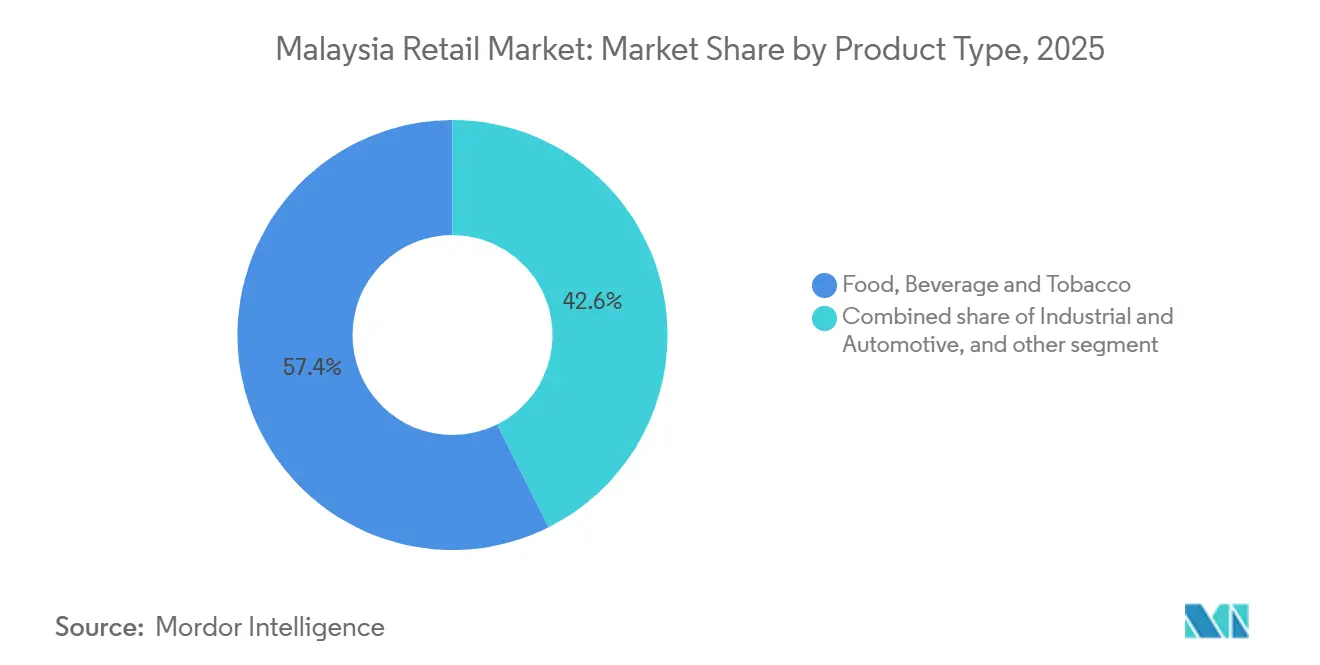
)
Distribution of retail product categories reflecting diverse consumer demand in Malaysia
The diversity of retail segments and formats continues to support sustained growth across industries, including home improvement7.
The Role of Competitive Strategy
Companies in Malaysia’s home improvement sector are adopting strategic approaches to remain competitive, focusing on innovation, branding, and customer experience8.
- Expanding product ranges
- Enhancing customer experience
- Leveraging digital tools
- Strengthening brand identity
Businesses that align with consumer expectations and adapt quickly are better positioned for long-term success.
Economic Impact: Jobs and Growth
The home improvement sector contributes significantly to Malaysia’s economy by creating jobs and supporting related industries such as retail and logistics9.
As demand increases, more employment opportunities are generated across various levels, from retail operations to supply chain management.
A Bigger Ecosystem: Growth Beyond Home Improvement
The expansion of the home improvement market reflects a broader rise in Malaysia’s consumer economy, where multiple sectors are experiencing growth simultaneously10.
This interconnected growth highlights increasing consumer spending power and evolving lifestyle priorities across the country.
Infrastructure: The Silent Growth Engine
Behind the scenes, infrastructure plays a critical role in enabling the rapid growth of Malaysia’s home improvement market.
- Efficient logistics networks reduce operational costs
- Strong distribution systems improve product availability
- Reliable infrastructure supports nationwide retail expansion
These foundational elements ensure that the market can scale effectively and meet growing consumer demand.
Challenges in the Market
Despite strong growth, the industry faces challenges such as increasing competition, supply chain risks, and changing consumer expectations.
- Rising competition among retailers
- Global supply chain disruptions
- Higher customer expectations
- Economic uncertainties
Companies must continuously adapt to remain competitive in this evolving landscape.
What the Future Looks Like
The future of Malaysia’s home improvement market looks promising, with continued growth expected through 2030.
- Digital integration in retail experiences
- Growing demand for sustainable products
- Adoption of smart home technologies
- Continued urban development
These trends will shape the next phase of the industry’s expansion.
Final Thoughts
The Malaysian home improvement market in 2026 reflects a dynamic and rapidly evolving industry driven by consumer demand, strategic innovation, and strong infrastructure.
As Malaysians continue to invest in their living spaces, the sector will remain a key contributor to the country’s economic growth and retail transformation.
Frequently Asked Questions
Question: What is driving the growth of Malaysia’s home improvement market?
Answer: Growth is driven by urbanization, rising incomes, increased home ownership, and changing consumer lifestyles focused on home upgrades.
Question: Why is Mr. DIY important in this market?
Answer: Mr. DIY is a leading retailer that has transformed the industry through affordable pricing, wide product selection, and strong expansion strategies.
Question: What trends will shape the future of the home improvement sector?
Answer: Key trends include digital retail integration, sustainable products, smart home technology adoption, and continued urban development.
Disclaimer: The information is provided for general information only. JYMS Properties makes no representations or warranties in relation to the information, including but not limited to any representation or warranty as to the fitness for any particular purpose of the information to the fullest extent permitted by law. While every effort has been made to ensure that the information provided in this article is accurate, reliable, and complete as of the time of writing, the information provided in this article should not be relied upon to make any financial, investment, real estate or legal decisions. Additionally, the information should not substitute advice from a trained professional who can take into account your personal facts and circumstances, and we accept no liability if you use the information to form decisions.