
![[object Object] icon](/_next/static/media/home.59b745c9.svg)

![[object Object] icon](/_next/static/media/buy.57cae078.svg)
![[object Object] icon](/_next/static/media/rent.2864d22a.svg)
![[object Object] icon](/_next/static/media/commercial.5f5f9bbc.svg)
![[object Object] icon](/_next/static/media/condos.8a55189e.svg)
![[object Object] icon](/_next/static/media/newLaunches.e1f1ccfd.svg)
![[object Object] icon](/_next/static/media/agents.9f8252e2.svg)
![[object Object] icon](/_next/static/media/guides.f567fc08.svg)
![[object Object] icon](/_next/static/media/contactUs.a39ef3b7.svg)
![[object Object] icon](/_next/static/media/aboutUs.e47cbd6d.svg)
)

Property Market Dynamics: How Malaysia’s Real Estate Landscape Is Rapidly Changing in 2026
Key Takeaways
- Market Volatility: Economic shifts like inflation and interest rates are directly influencing property trends.
- Changing Buyer Preferences: Demand is shifting toward practical, lifestyle-focused properties.
- Post-Pandemic Impact: Remote work continues to reshape housing needs and location preferences.
- Foreign Investment Influence: Global capital plays a key role in boosting and destabilizing market conditions.
- Long-Term Growth: Despite short-term fluctuations, Malaysia’s property market shows steady long-term potential.
The Big Picture: Why Property Market Dynamics Matter Now
Property Market Dynamics is no longer a niche topic reserved for analysts and investors—it has become one of the most talked-about trends shaping Malaysia’s economic future in 2026. From shifting housing demand to global capital flows and post-pandemic lifestyle changes, the property market is undergoing a powerful transformation1.
Malaysia’s real estate sector now reacts quickly to economic signals such as inflation, interest rates, and global uncertainty. This shift means that property prices no longer move independently but are closely tied to broader financial conditions and investor sentiment2.
)
Urban skyline highlighting modern developments, infrastructure expansion, and evolving residential patterns in Malaysia
As a result, volatility has become a defining feature of the market. While this introduces risk, it also creates opportunities for buyers and investors who understand how to interpret these changing signals.
Residential Market Shifts: What’s Happening on the Ground
In Kuala Lumpur, real estate trends are evolving in noticeable ways, with buyers becoming more cautious and selective in their decisions. Demand is no longer driven purely by luxury but by functionality, accessibility, and lifestyle needs3.
Modern buyers are prioritizing properties near transit hubs, mixed-use developments, and homes that support flexible working arrangements. This reflects a deeper shift in how people balance work, life, and convenience in urban environments.
Post-Pandemic Effects: A Permanent Reset
The pandemic fundamentally changed how people view their homes, with long-term effects still visible today. Remote work has increased demand for larger living spaces and pushed interest toward suburban and secondary locations4.
Homes are now expected to serve multiple functions, from offices to personal retreats. This shift has permanently altered housing demand patterns across Malaysia.
Malaysia vs Singapore: A Tale of Two Markets
Comparing Malaysia with Singapore highlights key differences in market structure and behavior. Malaysia’s property market offers greater flexibility and growth potential, but it is also more exposed to external economic influences5.
This creates a classic tradeoff for investors: higher potential returns come with increased volatility, requiring more strategic decision-making.
The Role of Foreign Investment
Foreign capital continues to shape Malaysia’s real estate landscape, driving demand in high-end residential and commercial developments. However, these inflows can also introduce instability when global conditions shift suddenly6.
This dual effect makes foreign investment both a catalyst for growth and a source of potential market fluctuations.
Commercial Real Estate: Quietly Evolving
Commercial real estate in Malaysia is undergoing its own transformation, driven by changes in business operations and consumer behavior. Flexible office spaces, logistics hubs, and experience-driven retail environments are becoming increasingly important7.
These trends reflect a broader shift toward adaptability, where businesses prioritize efficiency and customer experience over traditional setups.
Forecasting the Future: The Property Cycle Indicator
Understanding property cycles is essential for navigating market changes. Analytical models help identify patterns such as growth phases, downturns, and recovery periods, allowing investors to make more informed decisions8.
Malaysia currently appears to be in a stable growth phase, suggesting opportunities remain available, though careful timing is crucial.
Affordability vs Growth: A Balancing Act
While the market is growing, affordability remains a key concern. Rising property prices and slower income growth are creating challenges for buyers, particularly in urban areas9.
This has resulted in a more selective market where well-located and reasonably priced properties perform better than oversupplied segments.
Urban Regeneration: Breathing New Life into Cities
Urban regeneration is transforming underutilized land into vibrant communities, helping reduce urban sprawl and support sustainable development. These projects are becoming increasingly important in major cities like Kuala Lumpur10.
Such developments create new housing opportunities while revitalizing existing urban areas.
Industry Insights: What Experts Are Saying
Industry discussions and expert analyses emphasize the growing importance of data-driven strategies in real estate. Market participants are increasingly relying on analytics to assess risks and identify opportunities11.
This shift marks a move away from intuition-based decisions toward more structured and evidence-based approaches.
Long-Term Outlook: Where Is the Market Headed?
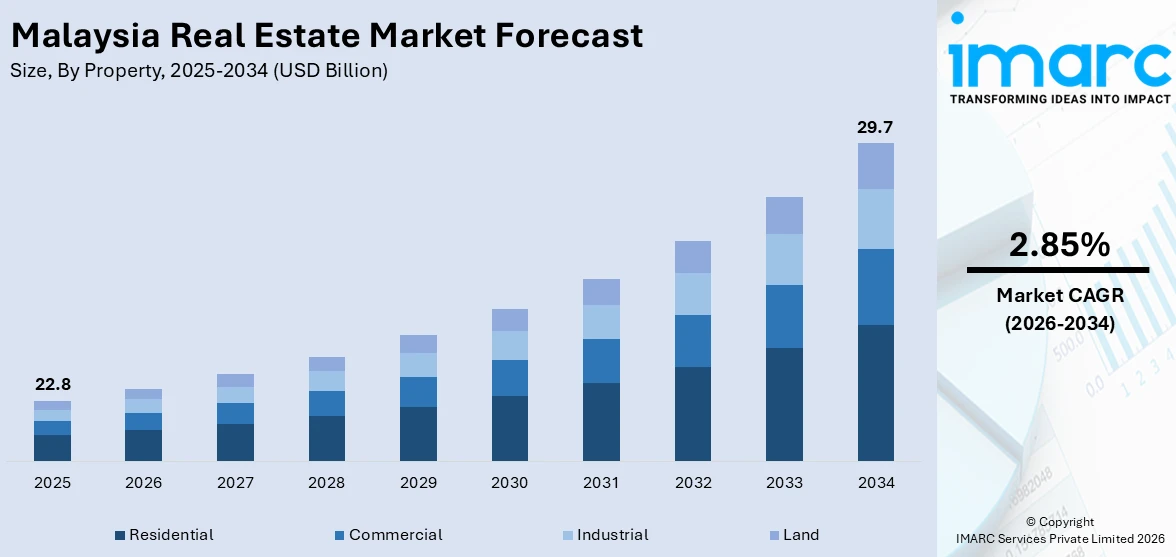
Malaysia’s property market is expected to grow steadily through 2034, supported by urbanization, infrastructure development, and population trends. These long-term fundamentals provide a strong foundation for continued expansion12.
Although short-term fluctuations are inevitable, the broader trajectory remains positive, making real estate a compelling long-term asset class.
What This Means for Buyers and Investors
- For Buyers: Focus on livability, connectivity, and long-term value rather than short-term price trends.
- For Investors: Monitor economic indicators and diversify across property types.
- For Observers: Understand market cycles instead of reacting to short-term headlines.
The Bottom Line: A Market Full of Opportunity—If You Understand It
Malaysia’s property market in 2026 is shaped by rapid urban development, evolving buyer preferences, and strong regional investment interest. The balance between growth potential and economic volatility defines today’s landscape.
Urban centers continue to transform with modern infrastructure, mixed-use developments, and changing residential patterns influenced by post-pandemic lifestyles.
For those who take the time to understand these dynamics, the opportunities remain significant as the market continues to evolve.
Frequently Asked Questions
Question: What are property market dynamics?
Answer: Property market dynamics refer to the factors that influence real estate trends, including economic conditions, buyer behavior, investment flows, and policy changes.
Question: Is Malaysia’s property market a good investment in 2026?
Answer: Malaysia offers strong long-term potential due to urbanization and infrastructure growth, but investors should be mindful of short-term volatility and economic shifts.
Question: How has COVID-19 changed housing demand?
Answer: The pandemic increased demand for larger homes, flexible living spaces, and properties in suburban areas as remote work became more common.
Disclaimer: The information is provided for general information only. JYMS Properties makes no representations or warranties in relation to the information, including but not limited to any representation or warranty as to the fitness for any particular purpose of the information to the fullest extent permitted by law. While every effort has been made to ensure that the information provided in this article is accurate, reliable, and complete as of the time of writing, the information provided in this article should not be relied upon to make any financial, investment, real estate or legal decisions. Additionally, the information should not substitute advice from a trained professional who can take into account your personal facts and circumstances, and we accept no liability if you use the information to form decisions.