
![[object Object] icon](/_next/static/media/home.59b745c9.svg)

![[object Object] icon](/_next/static/media/buy.57cae078.svg)
![[object Object] icon](/_next/static/media/rent.2864d22a.svg)
![[object Object] icon](/_next/static/media/commercial.5f5f9bbc.svg)
![[object Object] icon](/_next/static/media/condos.8a55189e.svg)
![[object Object] icon](/_next/static/media/newLaunches.e1f1ccfd.svg)
![[object Object] icon](/_next/static/media/agents.9f8252e2.svg)
![[object Object] icon](/_next/static/media/guides.f567fc08.svg)
![[object Object] icon](/_next/static/media/contactUs.a39ef3b7.svg)
![[object Object] icon](/_next/static/media/aboutUs.e47cbd6d.svg)
)

Renting versus buying property in Malaysia: What makes sense in 2026?
Key Takeaways
- Personal Decision: Choosing between renting and buying depends heavily on lifestyle, finances, and long-term goals.
- Flexibility vs Stability: Renting offers mobility while buying provides long-term security and equity.
- High Upfront Costs: Buying requires significant initial expenses compared to renting.
- Market Awareness Matters: Property appreciation and rental yields vary, making timing and location crucial.
- Young Buyers Are Delaying: Many young professionals prefer renting to maintain flexibility and grow savings.
Introduction
Renting versus buying property in Malaysia is one of the biggest financial questions today. In 2026, rising urban costs, changing career paths, and evolving lifestyle priorities have made this decision more complex and deeply personal. Individuals increasingly weigh flexibility against long-term stability while aligning financial decisions with personal goals1.
For many Malaysians, this choice is not just about money. It is about freedom, stability, and future planning. While some prioritise flexibility, others focus on building long-term wealth through property ownership.
)
Urban residential skyline reflecting modern housing choices and lifestyle priorities in Malaysia
Why this question matters more in 2026
Malaysia’s property landscape continues to evolve, with high urban prices and increased job mobility influencing decisions. Public discussions show that opinions are divided, with some favouring ownership for stability while others prefer renting for flexibility2.
More recent conversations highlight ongoing uncertainty in the economy, reinforcing the idea that people are thinking more carefully before committing to property ownership3.
The core difference: flexibility vs stability
At its core, renting and buying represent two very different lifestyles. Renting offers flexibility and lower commitment, while buying provides stability and long-term asset building. Over time, owning property can help build equity, whereas renting allows individuals to allocate funds toward other investments4.
- Renting supports mobility and lower upfront costs
- Buying builds equity and long-term security
The financial reality: what can you truly afford?
Financial readiness plays a major role in this decision. Buying property involves substantial upfront costs such as down payments, legal fees, and renovation expenses. These can be a significant barrier, especially for first-time buyers5.
In contrast, renting typically requires a smaller deposit and avoids long-term debt commitments, making it more accessible for many individuals.
Condo living: where the math gets interesting
When it comes to condominiums, the financial comparison becomes more nuanced. Monthly ownership costs can exceed rental costs when factoring in maintenance fees, loan interest, and taxes, especially in prime urban areas6.
Location plays a critical role, and in some cases, renting may offer better short- to medium-term financial value.
What young professionals are choosing
There is a clear trend among young professionals toward delaying home ownership. Many prefer renting to maintain career flexibility and prioritise savings or investments before committing to a property purchase7.
Understanding the property market
Property market conditions also influence the rent versus buy decision. While property values can increase over time, appreciation is not always guaranteed, and rental yields vary significantly depending on location and timing8.
The role of knowledge and preparation
Understanding key property concepts such as loan interest rates, tenure, and lock-in periods is essential before making any decision. Lack of knowledge can lead to costly mistakes and long-term financial strain9.
Rent-to-own: a middle ground?
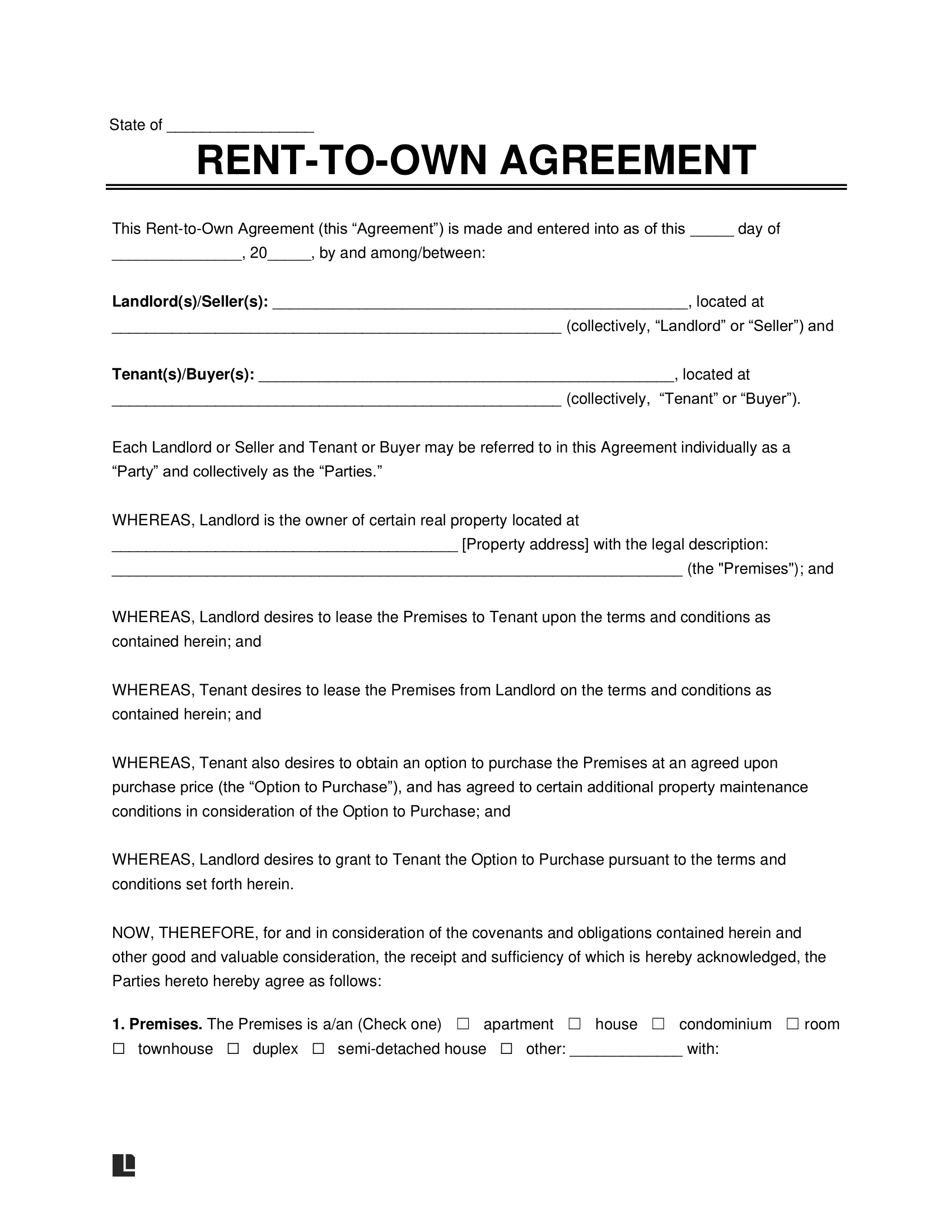
For those unsure about committing, rent-to-own schemes offer a hybrid approach. These arrangements allow individuals to rent a property with the option to purchase later, combining flexibility with potential ownership10.
When renting makes more sense
- You frequently move for work
- You are still building savings
- You are unsure about long-term plans
- Property prices are too high in your target area
Renting provides flexibility and reduces financial pressure, allowing individuals to focus on career growth and financial stability.
When buying is the smarter move
- You plan to stay long-term
- You have stable income
- You can afford upfront costs comfortably
- You want to build long-term equity
Buying can provide long-term financial security and reduce uncertainty in housing costs.
Final thoughts: there is no single “right” answer
Renting versus buying property in Malaysia is not about which option is universally better. It is about choosing what aligns best with your financial situation, career stage, and life goals.
Both renting and buying can lead to financial success when approached thoughtfully. The key is making a decision based on your priorities rather than external expectations.
Frequently Asked Questions
Question: Is renting always cheaper than buying in Malaysia?
Answer: Not always. While renting has lower upfront costs, buying can be more cost-effective long-term depending on location, property value growth, and how long you stay.
Question: What is the biggest risk of buying property?
Answer: The biggest risk is financial commitment. High upfront costs, long-term loans, and market fluctuations can impact affordability and returns.
Question: Should young professionals buy property early?
Answer: It depends on their financial stability and career plans. Many choose to rent first to maintain flexibility and build savings before committing to ownership.
Disclaimer: The information is provided for general information only. JYMS Properties makes no representations or warranties in relation to the information, including but not limited to any representation or warranty as to the fitness for any particular purpose of the information to the fullest extent permitted by law. While every effort has been made to ensure that the information provided in this article is accurate, reliable, and complete as of the time of writing, the information provided in this article should not be relied upon to make any financial, investment, real estate or legal decisions. Additionally, the information should not substitute advice from a trained professional who can take into account your personal facts and circumstances, and we accept no liability if you use the information to form decisions.