

![[object Object] icon](/_next/static/media/home.59b745c9.svg)

![[object Object] icon](/_next/static/media/buy.57cae078.svg)
![[object Object] icon](/_next/static/media/rent.2864d22a.svg)
![[object Object] icon](/_next/static/media/commercial.5f5f9bbc.svg)
![[object Object] icon](/_next/static/media/condos.8a55189e.svg)
![[object Object] icon](/_next/static/media/newLaunches.e1f1ccfd.svg)
![[object Object] icon](/_next/static/media/agents.9f8252e2.svg)
![[object Object] icon](/_next/static/media/guides.f567fc08.svg)
![[object Object] icon](/_next/static/media/contactUs.a39ef3b7.svg)
![[object Object] icon](/_next/static/media/aboutUs.e47cbd6d.svg)
)

Home Improvement Market Malaysia: Growth, Trends, and What’s Next in 2026
Key Takeaways
- Strong Market Growth: Malaysia’s home improvement sector continues to expand steadily, driven by urbanization and rising incomes.
- DIY Culture Rising: More homeowners are embracing do-it-yourself projects for creativity and cost savings.
- Retail Transformation: Major players are reshaping the market with affordability and accessibility.
- Investor Confidence: Large investments and partnerships signal strong long-term potential.
- Technology Integration: Digital tools and smart solutions are redefining how people improve their homes.
A Market on the Rise
The Home Improvement Market Malaysia has experienced steady and significant growth, supported by a wide range of consumer needs from simple repairs to large-scale renovations1.
Between 2019 and 2022, the market expanded consistently, reinforcing its importance within Malaysia’s retail economy and reflecting a long-term shift in how people invest in their living spaces2.
Urbanization and higher disposable incomes continue to fuel demand, as homeowners seek smarter, more efficient ways to enhance comfort and functionality3.
The DIY Boom: A Cultural Shift
The rise of DIY culture is transforming how Malaysians approach home improvement, with more individuals taking on projects themselves instead of relying solely on contractors4.
Access to online tutorials, affordable tools, and social media inspiration has made DIY projects more approachable, allowing homeowners to personalize their spaces while maintaining cost control.
The Mr. DIY Effect: From One Store to a $5 Billion Empire
One of the biggest influences in the Home Improvement Market Malaysia is the rapid rise of a major retail brand that transformed a single store into a multi-billion-dollar business5.
Its affordability-focused strategy has made home improvement accessible to a wider audience, while its expansion has reshaped consumer expectations across the industry6.
At the same time, growing consumer feedback highlights increasing expectations for quality and value, signaling a shift toward more discerning purchasing decisions.
Big Money and Bigger Confidence
Investor confidence in the market is evident through major financial activities, including a high-value IPO that reflects strong expectations for future growth7.
Strategic collaborations between major brands are also strengthening product offerings and enhancing customer experiences, showing that the market is evolving beyond traditional retail8.
Regional Competition: ASEAN in Focus
Malaysia’s home improvement sector operates within a competitive ASEAN landscape, where regional dynamics influence growth strategies and consumer trends9.
Compared to neighboring countries, Malaysia balances affordability with increasing demand for higher-quality products, giving it a unique position for sustained development.
Market Segmentation: Understanding the Customer
The market is segmented across multiple dimensions, including project types and customer categories, allowing businesses to better tailor their offerings10.
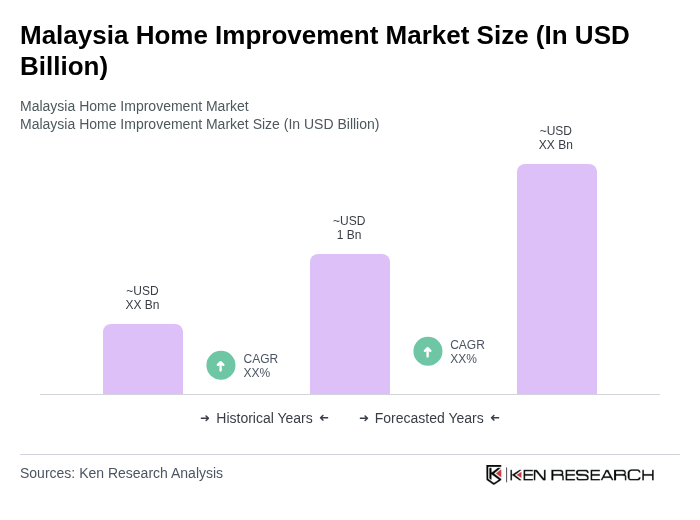
Market growth trends and segmentation across residential and commercial home improvement sectors
Understanding these segments helps companies address different needs, from budget-friendly DIY solutions to large-scale commercial renovations.
Lessons from the UK: A Glimpse into the Future
Insights from more mature markets highlight how customer expectations evolve as industries grow, particularly in areas such as service quality and product diversity11.
Malaysia is likely to follow a similar trajectory, with increased emphasis on premium offerings and seamless retail experiences.
The Role of Consumer Voice
Consumer feedback is becoming increasingly influential, with online discussions highlighting both strengths and weaknesses in current offerings12.
This growing awareness is pushing businesses to focus not only on pricing but also on durability, transparency, and overall value.
Technology and the Future of Home Improvement
Technology is reshaping the Home Improvement Market Malaysia, making it easier for consumers to plan, visualize, and execute their projects.
From e-commerce platforms to smart home integrations, digital tools are enhancing both convenience and customization, bridging the gap between design ideas and real-world execution.
Challenges Ahead
Despite strong growth, the market faces increasing competition, pricing pressures, and rising customer expectations.
These challenges indicate a maturing industry where differentiation, quality, and innovation will determine long-term success.
What’s Next for the Home Improvement Market Malaysia?
The future of the Home Improvement Market Malaysia looks promising, with continued expansion driven by urban living trends, DIY adoption, and technological innovation.
As the market evolves, businesses that prioritize customer needs and adapt to changing expectations will be best positioned to thrive.
Final Thoughts
The Home Improvement Market Malaysia reflects broader lifestyle changes, where homes are increasingly seen as spaces for comfort, creativity, and personal expression.
With strong economic drivers, growing consumer interest, and continuous innovation, the sector is set to remain a key part of Malaysia’s retail landscape in the years ahead.
Frequently Asked Questions
Question: What is driving the growth of the home improvement market in Malaysia?
Answer: The growth is mainly driven by urbanization, rising disposable incomes, and increasing interest in DIY home projects.
Question: Why is DIY becoming popular in Malaysia?
Answer: DIY is gaining popularity due to easy access to tutorials, affordable tools, and the desire for personalized home spaces.
Question: What trends will shape the future of this market?
Answer: Key trends include technology integration, higher demand for quality products, and stronger competition within the region.
Disclaimer: The information is provided for general information only. JYMS Properties makes no representations or warranties in relation to the information, including but not limited to any representation or warranty as to the fitness for any particular purpose of the information to the fullest extent permitted by law. While every effort has been made to ensure that the information provided in this article is accurate, reliable, and complete as of the time of writing, the information provided in this article should not be relied upon to make any financial, investment, real estate or legal decisions. Additionally, the information should not substitute advice from a trained professional who can take into account your personal facts and circumstances, and we accept no liability if you use the information to form decisions.
