![[object Object] icon](/_next/static/media/home.59b745c9.svg)

![[object Object] icon](/_next/static/media/buy.57cae078.svg)
![[object Object] icon](/_next/static/media/rent.2864d22a.svg)
![[object Object] icon](/_next/static/media/commercial.5f5f9bbc.svg)
![[object Object] icon](/_next/static/media/condos.8a55189e.svg)
![[object Object] icon](/_next/static/media/newLaunches.e1f1ccfd.svg)
![[object Object] icon](/_next/static/media/agents.9f8252e2.svg)
![[object Object] icon](/_next/static/media/guides.f567fc08.svg)
![[object Object] icon](/_next/static/media/contactUs.a39ef3b7.svg)
![[object Object] icon](/_next/static/media/aboutUs.e47cbd6d.svg)
)

Shariah-Compliant Home Financing: A Complete Guide to Ethical Home Ownership in 2026
Key Takeaways
- Interest-Free Financing: Islamic home financing avoids riba by using trade-based or partnership structures.
- Asset-Backed Transactions: Every financing deal is tied to real property rather than abstract lending.
- Popular Financing Models: Murabahah, Tawarruq, and Musharakah are the main structures used by banks.
- Growing Global Demand: Ethical finance trends and Muslim population growth are driving adoption.
- Challenges Remain: Issues like transparency, complexity, and Shariah compliance still need improvement.
What Is Shariah-Compliant Home Financing?
Shariah-Compliant Home Financing allows individuals to purchase property without engaging in interest-based loans. Instead, Islamic banks structure transactions around trade or partnerships, ensuring fairness, transparency, and shared risk in every agreement1.
Rather than lending money, the bank may purchase the property and resell it at a profit or co-own it with the buyer, gradually transferring ownership over time. This structure aligns financial activity with real economic assets and ethical principles2.
How Is It Different From a Normal Mortgage?
In a conventional mortgage, the bank lends money and earns interest over time. In contrast, Shariah-compliant financing involves the bank directly participating in buying, selling, or leasing the property, replacing interest with profit-based arrangements tied to real assets3.
This shift transforms the financial relationship from simple lending into asset-backed transactions, which promotes fairness and reduces speculative risk in the system4.
The Core Models Used in Islamic Home Financing
Islamic banks use several structured models to ensure compliance with Shariah principles while still offering practical home financing solutions.
Murabahah (Cost-Plus Sale)
Under Murabahah, the bank purchases the property and sells it to the buyer at a pre-agreed profit, which is paid in installments over time5.
Tawarruq (Commodity-Based Financing)
Tawarruq uses commodity transactions to create liquidity without directly charging interest, though concerns remain about whether it fully aligns with Shariah objectives in practice6.
Musharakah (Partnership Model)
Musharakah involves joint ownership between the bank and the buyer, where the buyer gradually acquires the bank’s share while possibly paying rent for the remaining portion.
Real-World Islamic Home Financing Products
Islamic home financing is widely available through both local and international financial institutions, demonstrating its growing relevance in modern banking.
Major institutions offer structured products that align with Shariah guidelines while remaining competitive in the broader housing market7.
Other banks provide flexible mortgage solutions designed to meet diverse customer needs while maintaining compliance with Islamic principles8.
Global financial institutions have also introduced Shariah-compliant home financing, expanding access beyond traditional markets9.
A Simple Visual Guide
)
Flow of ownership transfer, payment structure, and asset-backed financing relationships in Islamic home financing
The structure typically illustrates how ownership, payments, and responsibilities are distributed between the buyer and the financial institution throughout the financing period10.
Why Is Demand Growing in 2026?
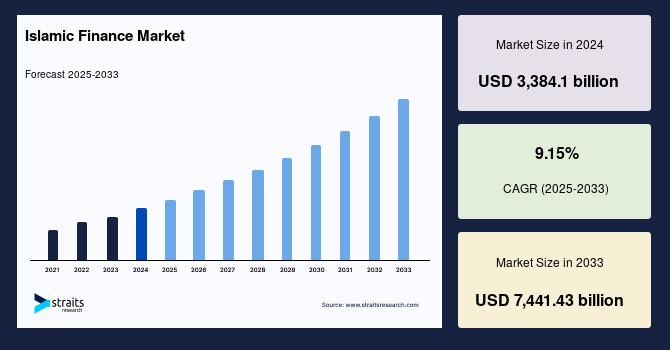
Shariah-Compliant Home Financing is experiencing rapid growth due to increasing awareness of ethical finance and rising global demand for transparent financial systems11.
Factors such as population growth, government support, and interest in alternative banking models are contributing to this expansion.
Malaysia: A Leader With Challenges
Malaysia remains one of the leading markets for Islamic finance, but challenges around transparency and trust continue to shape public perception12.
Concerns include the complexity of financing structures and whether all products truly reflect the spirit of Shariah principles.
The Problem of Shariah Compliance
Ensuring strict adherence to Shariah principles remains a key challenge, with calls for stronger governance and standardized frameworks across institutions13.
Differences in interpretation and limited public understanding can also affect trust in Islamic financial products.
Making It Easy for Homebuyers
For homebuyers, understanding Islamic financing starts with recognizing that it is based on trade and partnership rather than interest-bearing loans.
Educational resources and simplified explanations help buyers make informed decisions while navigating property markets more confidently.
Benefits of Shariah-Compliant Home Financing
- Ethical Structure: Avoids interest and promotes fairness in financial dealings.
- Asset-Backed: Transactions are tied to real property and economic activity.
- Risk Sharing: Both bank and buyer share responsibilities and risks.
- Transparency: Contracts are clear and agreed upon upfront.
Challenges You Should Know
- Complexity: Some financing models can be difficult to understand.
- Higher Costs (Sometimes): Profit rates may resemble conventional interest rates.
- Trust Issues: Questions remain about full Shariah compliance.
- Regulation Gaps: Standards differ across countries.
What Needs to Improve Next?
- Stronger Governance: Clear oversight ensures compliance with Shariah principles.
- Better Communication: Simplifying concepts for consumers improves trust.
- Reduced Complexity: Limiting controversial structures enhances transparency.
- Global Standards: Consistency across countries strengthens the system.
The Future of Shariah-Compliant Home Financing
The future of Islamic home financing looks promising as ethical finance gains global traction and digital innovations improve accessibility.
Trust and transparency will remain critical factors in determining long-term success and widespread adoption.
Final Thoughts
Shariah-Compliant Home Financing represents a values-driven approach to property ownership, focusing on fairness, transparency, and shared responsibility.
As the industry continues to grow, ongoing improvements in governance and communication will be essential to maintaining trust and supporting future expansion.
Frequently Asked Questions
Question: Can non-Muslims apply for Shariah-compliant home financing?
Answer: Yes, these financing options are open to anyone interested in ethical, interest-free financial structures, regardless of religion.
Question: Is Shariah-compliant financing cheaper than conventional loans?
Answer: Not always, as profit rates may be similar to interest rates, but the structure differs significantly in terms of ethics and compliance.
Question: What is the main difference between Murabahah and Musharakah?
Answer: Murabahah is a cost-plus sale agreement, while Musharakah is a partnership where ownership is gradually transferred to the buyer.
Disclaimer: The information is provided for general information only. JYMS Properties makes no representations or warranties in relation to the information, including but not limited to any representation or warranty as to the fitness for any particular purpose of the information to the fullest extent permitted by law. While every effort has been made to ensure that the information provided in this article is accurate, reliable, and complete as of the time of writing, the information provided in this article should not be relied upon to make any financial, investment, real estate or legal decisions. Additionally, the information should not substitute advice from a trained professional who can take into account your personal facts and circumstances, and we accept no liability if you use the information to form decisions.