
![[object Object] icon](/_next/static/media/home.59b745c9.svg)

![[object Object] icon](/_next/static/media/buy.57cae078.svg)
![[object Object] icon](/_next/static/media/rent.2864d22a.svg)
![[object Object] icon](/_next/static/media/commercial.5f5f9bbc.svg)
![[object Object] icon](/_next/static/media/condos.8a55189e.svg)
![[object Object] icon](/_next/static/media/newLaunches.e1f1ccfd.svg)
![[object Object] icon](/_next/static/media/agents.9f8252e2.svg)
![[object Object] icon](/_next/static/media/guides.f567fc08.svg)
![[object Object] icon](/_next/static/media/contactUs.a39ef3b7.svg)
![[object Object] icon](/_next/static/media/aboutUs.e47cbd6d.svg)
)

Property Purchase Guide for Foreigners: How to Buy Property in Malaysia in 2026
Key Takeaways
- Foreign Ownership Allowed: Foreigners can buy property in Malaysia but must follow state-specific rules and price thresholds.
- State Regulations Matter: Each state has different requirements that directly impact eligibility and investment strategy.
- Legal Process is Essential: Proper documentation, legal checks, and approvals are required before ownership transfer.
- Financial Planning is Crucial: Buyers must account for deposits, loans, and additional costs beyond property price.
- Professional Guidance Helps: Working with lawyers and licensed agents reduces risks and ensures compliance.
Introduction to Buying Property in Malaysia
Buying property in another country can feel exciting and overwhelming at the same time. Malaysia stands out in 2026 as a popular destination due to its modern infrastructure, growing cities, and relatively affordable real estate options. However, foreign buyers must understand that regulations, approvals, and financial planning play a critical role in ensuring a smooth purchase process1.
Why Malaysia Attracts Foreign Buyers
Malaysia continues to draw international investors because of its balanced property market, offering urban lifestyles, coastal living, and quieter residential options. The country’s affordability, rental potential, and structured legal system make it appealing for both investment and relocation purposes2.
Can Foreigners Buy Property in Malaysia?
Foreigners are allowed to purchase property in Malaysia, but eligibility depends on specific rules set by each state. Minimum price thresholds, restrictions on certain property types, and mandatory approvals are common requirements that must be met before proceeding3.
In addition, foreign buyers are generally limited to higher-value properties and must comply with local regulations to complete transactions legally and securely4.
Understanding State-Specific Rules
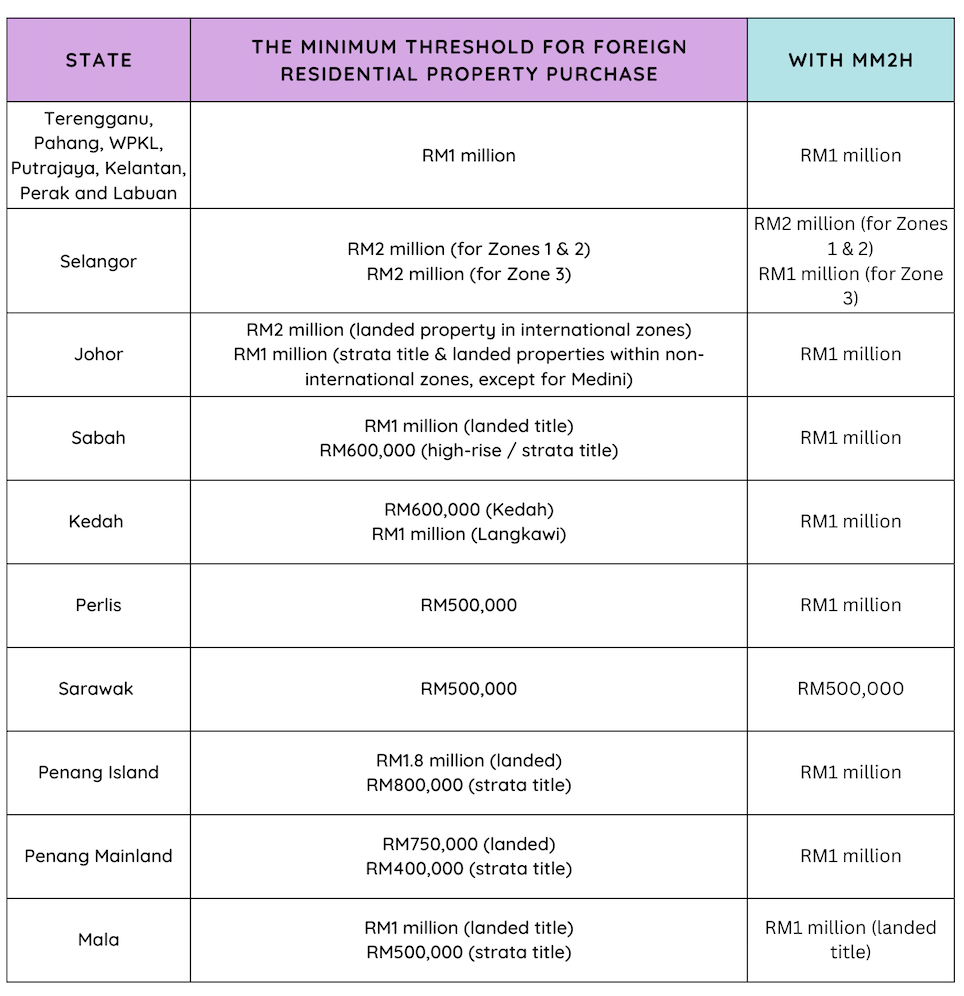
Malaysia does not have a single nationwide property rule for foreigners. Instead, each state determines its own guidelines, including minimum purchase prices, eligible property types, and approval procedures. These differences can significantly influence your investment decisions and long-term returns5.
Latest Legal Updates for 2026
Recent regulatory updates highlight stricter compliance checks, clearer documentation standards, and more structured approval systems for foreign buyers. These changes aim to improve transparency and ensure that all transactions follow proper legal frameworks6.
Legal due diligence has also become more important, with strong emphasis on working with qualified professionals to verify documents and avoid potential risks7.
)
Structured overview of the property buying process for foreign investors in Malaysia
Step-by-Step: How to Buy Property in Malaysia
The property buying process in Malaysia follows a structured path that ensures legal compliance and financial security for foreign buyers.
1. Choose the Right Property
Select properties that meet foreign ownership criteria and align with your investment goals and budget8.
2. Engage a Lawyer
A qualified lawyer ensures proper documentation, conducts legal checks, and safeguards your interests throughout the transaction process.
3. Sign the Sale & Purchase Agreement (SPA)
The SPA outlines all terms, including price, payment schedule, and responsibilities of both parties, making it a legally binding document9.
4. Apply for State Approval
Approval from relevant state authorities is required before finalizing the purchase, and processing times may vary.
5. Complete Payment and Transfer Ownership
Once approval is granted, the remaining balance is paid and ownership is officially transferred.
Financial Requirements You Must Know
Understanding financial commitments is essential when purchasing property abroad.
Buyers are typically required to pay a deposit of around 10% to secure the property before proceeding further10.
Foreign buyers may apply for mortgages, although approval depends on income, credit profile, and bank policies, with limited options available for non-residents11.
Additional costs such as legal fees, stamp duties, and valuation charges should also be factored into your total budget.
Buying Property at Auction
Auction properties can offer lower prices, but they come with risks such as limited inspections, strict payment timelines, and “as-is” conditions12.
Avoiding Scams and Common Pitfalls
Property scams remain a concern, especially for foreign buyers unfamiliar with local processes. Conducting proper due diligence and working with licensed professionals can help prevent financial loss and legal complications13.
Key Documents You’ll Encounter
The Sale & Purchase Agreement (SPA) is the most critical document, outlining all terms and conditions of the transaction. Other essential documents include loan agreements, title deeds, and approval certificates required for legal ownership.
Is Buying Property in Malaysia Worth It?
Malaysia offers a strong combination of affordability, lifestyle benefits, and investment potential, making it an attractive option for foreign buyers when approached with proper planning14.
Final Thoughts: A Smart Move with the Right Knowledge
Buying property in Malaysia as a foreigner requires careful navigation of legal requirements, financial planning, and state-specific regulations.
With the right preparation and professional support, the process can lead to rewarding investment opportunities and a high-quality lifestyle.
Frequently Asked Questions
Question: Can foreigners buy any property in Malaysia?
Answer: No, foreigners can only purchase properties that meet minimum price thresholds and comply with state-specific regulations.
Question: Do I need a lawyer to buy property in Malaysia?
Answer: Yes, a lawyer is essential to handle legal checks, documentation, and ensure compliance throughout the transaction.
Question: How long does the property buying process take?
Answer: The process can take several months depending on state approval timelines, financing arrangements, and documentation requirements.
Disclaimer: The information is provided for general information only. JYMS Properties makes no representations or warranties in relation to the information, including but not limited to any representation or warranty as to the fitness for any particular purpose of the information to the fullest extent permitted by law. While every effort has been made to ensure that the information provided in this article is accurate, reliable, and complete as of the time of writing, the information provided in this article should not be relied upon to make any financial, investment, real estate or legal decisions. Additionally, the information should not substitute advice from a trained professional who can take into account your personal facts and circumstances, and we accept no liability if you use the information to form decisions.