![[object Object] icon](/_next/static/media/home.59b745c9.svg)

![[object Object] icon](/_next/static/media/buy.57cae078.svg)
![[object Object] icon](/_next/static/media/rent.2864d22a.svg)
![[object Object] icon](/_next/static/media/commercial.5f5f9bbc.svg)
![[object Object] icon](/_next/static/media/condos.8a55189e.svg)
![[object Object] icon](/_next/static/media/newLaunches.e1f1ccfd.svg)
![[object Object] icon](/_next/static/media/agents.9f8252e2.svg)
![[object Object] icon](/_next/static/media/guides.f567fc08.svg)
![[object Object] icon](/_next/static/media/contactUs.a39ef3b7.svg)
![[object Object] icon](/_next/static/media/aboutUs.e47cbd6d.svg)
)

Legal Compliance for Property Ownership: What Every Investor Needs to Know in 2026
Key Takeaways
- Due Diligence Matters: Verifying ownership and legal status helps prevent costly disputes.
- Understand Local Laws: Property regulations vary by country and even by state.
- Ownership Structure Counts: The way property is owned affects taxes, liability, and inheritance.
- Cross-Border Risks: International investments require compliance with multiple legal systems.
- Technology is Transforming Compliance: Digital systems increase efficiency but also responsibility.
- Ongoing Compliance is Essential: Legal obligations continue even after purchase.
Introduction to Legal Compliance in Property Ownership
)
Urban developments reflecting modern real estate investment and regulatory environments
The topic of legal compliance for property ownership is becoming increasingly important in 2026 as real estate markets evolve rapidly. Investors must now navigate changing regulations, digital systems, and global investment trends that influence how property is bought and managed.
Whether you are a first-time buyer or an experienced investor, understanding compliance is essential to avoid risks and ensure your investment remains secure and legally protected.
Why Legal Compliance for Property Ownership Matters More Than Ever
Buying property involves more than just signing documents. A structured legal framework ensures that ownership is valid, transactions are transparent, and disputes are minimized. One of the most critical steps is conducting proper due diligence to confirm ownership and compliance with regulations1.
Failing to follow proper legal checks can expose investors to hidden liabilities such as unpaid debts or unclear ownership titles, which can significantly impact investment outcomes.
The Malaysian Property Landscape: A Case Study in Legal Complexity
Malaysia illustrates how layered legal systems affect property ownership. Investors must understand who can own property, what types are allowed, and what restrictions apply, particularly for foreign buyers2.
Additionally, regulations differ across states, requiring investors to comply with both federal and local laws, making the process more complex and requiring careful planning3.
Forms of Ownership: The Foundation of Property Rights
The structure of property ownership directly impacts legal rights and obligations. Different ownership forms influence taxation, transferability, inheritance, and liability, making it essential to choose the correct structure from the beginning4.
Incorrect ownership choices can lead to complications during resale or estate planning, emphasizing the importance of understanding these legal distinctions early.
Cross-Border Investments and Global Compliance Challenges
International property investments introduce additional layers of compliance. Businesses expanding globally must account for legal requirements across jurisdictions, especially when properties are tied to operational functions5.
Moreover, global regulations such as sanctions require investors to ensure that transactions do not involve restricted entities and remain fully transparent6.
Technology Is Changing Property Compliance
Digital transformation is reshaping compliance processes, making them faster and more efficient. Systems like digital tax assessments allow buyers to manage obligations independently, but also increase the risk of errors if not handled correctly7.
At the same time, evolving infrastructure requirements such as energy systems and sustainability regulations are becoming part of compliance considerations for property owners8.
Property Management and Legal Agreements
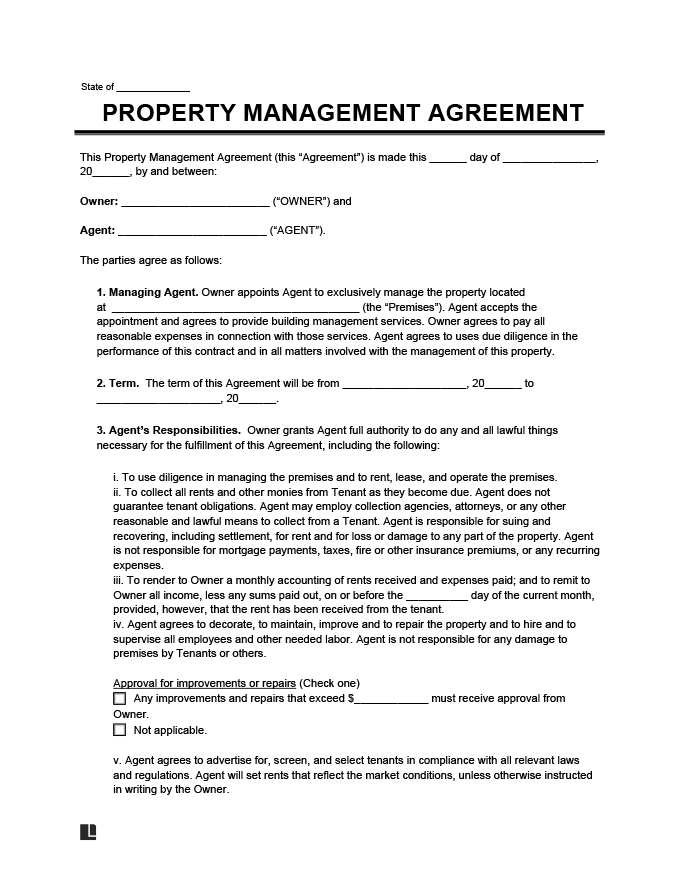
Legal compliance continues after purchase through proper property management. Agreements between owners and managers define responsibilities, maintenance, and rental conditions, helping prevent disputes9.
Certain property types also require careful attention to zoning and land-use laws, which can significantly affect ownership rights and usage10.
Foreign Investment and the MM2H Program
Programs encouraging foreign investment, such as residency-linked initiatives, play a major role in shaping property demand. These programs often come with specific requirements that investors must meet to remain compliant11.
Understanding these rules is critical for international buyers to avoid legal complications and ensure smooth property ownership.
The Growing Role of Legal and Compliance Professionals
As property laws become more complex, legal and compliance professionals are increasingly essential in guiding investors and managing regulatory risks12.
This growing demand reflects the importance of compliance as a specialized field within the real estate industry13.
A Glimpse Into the Future: Malaysia Property Law Summit
The future of property compliance is being shaped through ongoing discussions and industry collaboration. Events focused on legal frameworks and investor education highlight the direction of regulatory developments and innovation in real estate.
Final Thoughts: Compliance Is the New Competitive Advantage
In 2026, legal compliance is no longer just about avoiding penalties. It has become a strategic advantage for investors who want to move faster, reduce risks, and build long-term value.
As regulations continue to evolve, staying informed and proactive will be key to successful property ownership in an increasingly complex global market.
Frequently Asked Questions
Question: What is legal compliance in property ownership?
Answer: It refers to following all laws, regulations, and legal procedures related to buying, owning, and managing property.
Question: Why is due diligence important in real estate?
Answer: Due diligence helps verify ownership, identify risks, and ensure the property complies with legal requirements before purchase.
Question: Do legal responsibilities end after buying property?
Answer: No, compliance continues through property management, tax obligations, and adherence to local regulations.
Disclaimer: The information is provided for general information only. JYMS Properties makes no representations or warranties in relation to the information, including but not limited to any representation or warranty as to the fitness for any particular purpose of the information to the fullest extent permitted by law. While every effort has been made to ensure that the information provided in this article is accurate, reliable, and complete as of the time of writing, the information provided in this article should not be relied upon to make any financial, investment, real estate or legal decisions. Additionally, the information should not substitute advice from a trained professional who can take into account your personal facts and circumstances, and we accept no liability if you use the information to form decisions.