
![[object Object] icon](/_next/static/media/home.59b745c9.svg)

![[object Object] icon](/_next/static/media/buy.57cae078.svg)
![[object Object] icon](/_next/static/media/rent.2864d22a.svg)
![[object Object] icon](/_next/static/media/commercial.5f5f9bbc.svg)
![[object Object] icon](/_next/static/media/condos.8a55189e.svg)
![[object Object] icon](/_next/static/media/newLaunches.e1f1ccfd.svg)
![[object Object] icon](/_next/static/media/agents.9f8252e2.svg)
![[object Object] icon](/_next/static/media/guides.f567fc08.svg)
![[object Object] icon](/_next/static/media/contactUs.a39ef3b7.svg)
![[object Object] icon](/_next/static/media/aboutUs.e47cbd6d.svg)
)

AI-driven Property Intelligence Malaysia: How AI Is Transforming Real Estate in 2026
Key Takeaways
- AI-Powered Decision Making: Advanced analytics platforms are enabling faster, more accurate property insights across Malaysia.
- Smarter Valuations: AI enhances pricing accuracy by combining data with sentiment and behavioral insights.
- Efficient Construction: Predictive systems improve safety, reduce costs, and accelerate project timelines.
- Intelligent Buildings: AI optimizes energy use and maintenance for sustainable and cost-efficient operations.
- Data-Driven Urban Planning: Cities are evolving with AI-led insights for better infrastructure and land use.
The Rise of AI in Malaysia’s Property Market
The rise of AI-driven property intelligence in Malaysia is reshaping how the real estate sector operates, moving from traditional methods to data-driven precision. Artificial intelligence now plays a central role in valuation, development, and investment strategies, enabling stakeholders to interpret complex datasets and respond quickly to market changes1.
This transformation is accelerating as the market becomes more complex, with shifting demand patterns and evolving buyer expectations. AI bridges the gap between raw data and actionable insight, making property decisions more accurate and efficient.
The Launch That Changed Everything: MPIC
In 2026, the introduction of an AI-powered property intelligence platform marked a significant milestone for Malaysia’s real estate sector, offering advanced analytics for investors, developers, and policymakers2. The platform aggregates large volumes of data, transforming them into actionable insights that support faster and more informed decisions.
- Developers can identify high-growth areas faster
- Investors can assess risks with greater accuracy
- Policymakers can plan urban development more effectively
)
Advanced analytics interface presenting real estate data insights through AI-driven visualization tools
The platform also enhances valuation accuracy and decision-making by leveraging AI-driven analytics and visualization capabilities3.
Smarter Valuations with AI and NLP
AI is transforming property valuation by introducing sentiment analysis into traditional pricing models. By analyzing opinions from digital sources such as social media and reviews, AI systems provide deeper insight into market perception and demand4.
- Social media discussions
- Online reviews
- Customer feedback
- News sentiment
This approach allows buyers, investors, and developers to better understand market sentiment, leading to more accurate pricing and early identification of emerging trends5.
AI in Construction: Building Smarter and Safer
AI is revolutionizing construction by enabling predictive monitoring of materials and structural performance. These systems can detect potential issues before they become critical, improving safety and reducing costly delays6.
Advanced models also support real-time monitoring and optimization of construction processes, enhancing efficiency and minimizing risks throughout project lifecycles7.
Smart Buildings and Energy Efficiency
AI continues to deliver value even after construction through smart building management systems. These systems optimize energy usage, automate maintenance, and improve operational efficiency, contributing to more sustainable urban environments8.
This aligns with national sustainability goals, where efficient resource use and intelligent infrastructure are becoming priorities in long-term development planning9.
AI and Urban Planning: Smarter Cities Ahead
AI is reshaping urban planning by enabling dynamic, data-driven decision-making. By analyzing infrastructure, population trends, and economic activity, AI helps optimize land use and improve city planning outcomes10.
This results in better infrastructure placement, reduced congestion, and more balanced urban development, particularly in rapidly growing regions.
Transforming Property Insurance with AI
AI is modernizing property insurance by enabling predictive analytics and automation. Insurers can now assess risks more accurately, streamline claims processing, and detect fraud more effectively11.
This shift improves efficiency across the insurance lifecycle while providing fairer pricing and faster service for property owners.
The Rise of AI in Property Finance
AI is also transforming property finance by improving transparency and decision-making in mortgage processes. Data-driven platforms are helping buyers and lenders better understand affordability and risk12.
This results in a more efficient financial ecosystem, where transactions are faster, clearer, and more reliable.
The Bigger Picture: Malaysia’s AI Trajectory
Malaysia is positioning itself as a growing hub for AI adoption, with increasing focus on regulatory frameworks and technological advancement across industries13.
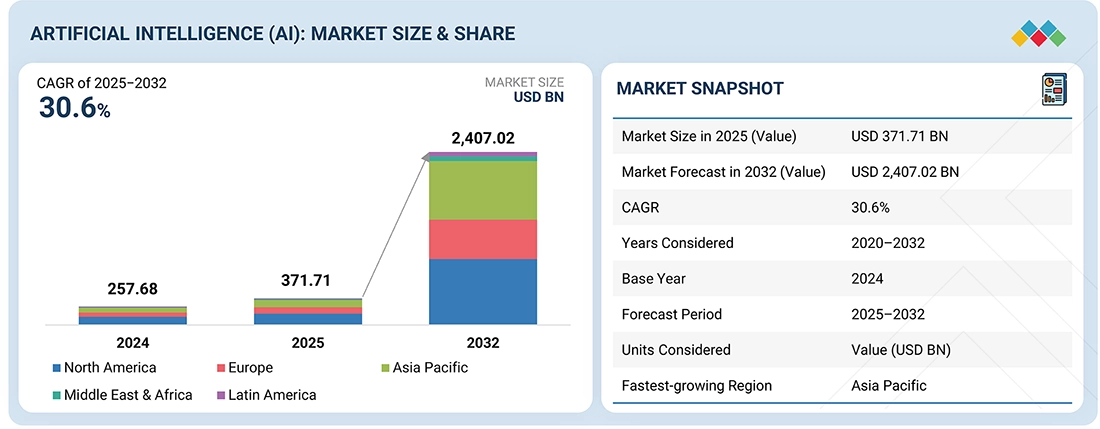
Global trends also indicate rapid expansion of AI technologies, reinforcing the momentum seen within Malaysia’s property sector14.
What This Means for Buyers, Investors, and Developers
AI-driven property intelligence is reshaping the experience for all stakeholders. Buyers benefit from more transparent pricing, investors gain predictive insights, developers improve efficiency, and policymakers make more informed planning decisions.
- Buyers access accurate and transparent pricing
- Investors identify trends earlier
- Developers optimize project execution
- Policymakers enhance planning strategies
The Challenges Ahead
Despite its advantages, AI adoption comes with challenges including data privacy concerns, regulatory uncertainty, implementation costs, and skill gaps. Addressing these issues will be essential to ensure sustainable growth.
Final Thoughts: A Smarter Property Future
The evolution of AI-driven property intelligence in Malaysia marks a shift toward smarter, faster, and more transparent real estate processes. As adoption continues to grow, AI will play an increasingly central role in shaping the future of the industry.
This transformation is not just about technology, but about enabling better decisions across the entire property lifecycle, positioning Malaysia as a leader in innovation within the region.
Frequently Asked Questions
Question: What is AI-driven property intelligence?
Answer: It refers to the use of artificial intelligence and data analytics to improve decision-making in real estate, including valuation, investment, and management.
Question: How does AI improve property valuation?
Answer: AI enhances valuation by combining traditional data with sentiment analysis and predictive modeling, resulting in more accurate and dynamic pricing.
Question: Is AI widely used in Malaysia’s real estate market?
Answer: Yes, AI adoption is growing rapidly across various areas such as construction, urban planning, finance, and property management.
Disclaimer: The information is provided for general information only. JYMS Properties makes no representations or warranties in relation to the information, including but not limited to any representation or warranty as to the fitness for any particular purpose of the information to the fullest extent permitted by law. While every effort has been made to ensure that the information provided in this article is accurate, reliable, and complete as of the time of writing, the information provided in this article should not be relied upon to make any financial, investment, real estate or legal decisions. Additionally, the information should not substitute advice from a trained professional who can take into account your personal facts and circumstances, and we accept no liability if you use the information to form decisions.