![[object Object] icon](/_next/static/media/home.59b745c9.svg)

![[object Object] icon](/_next/static/media/buy.57cae078.svg)
![[object Object] icon](/_next/static/media/rent.2864d22a.svg)
![[object Object] icon](/_next/static/media/commercial.5f5f9bbc.svg)
![[object Object] icon](/_next/static/media/condos.8a55189e.svg)
![[object Object] icon](/_next/static/media/newLaunches.e1f1ccfd.svg)
![[object Object] icon](/_next/static/media/agents.9f8252e2.svg)
![[object Object] icon](/_next/static/media/guides.f567fc08.svg)
![[object Object] icon](/_next/static/media/contactUs.a39ef3b7.svg)
![[object Object] icon](/_next/static/media/aboutUs.e47cbd6d.svg)
)

Shariah-compliant Home Financing: Malaysia’s Push for Trust, Transparency, and True Islamic Values
Key Takeaways
- Rising Demand: Shariah-compliant home financing is gaining attention in Malaysia as more buyers seek ethical and faith-based options.
- Core Principles: These financing models avoid interest and rely on trade-based or partnership structures aligned with Islamic law.
- Trust Concerns: Questions around transparency and authenticity are shaping industry reforms.
- Innovation Growth: New financial models are being developed to improve fairness and usability.
- Consumer Awareness: Understanding contract structures is essential for making informed financing decisions.
Introduction to Shariah-compliant Home Financing
)
Modern residential developments reflecting ethical and faith-based home ownership in Malaysia
Shariah-compliant Home Financing is quickly becoming one of the most talked-about topics in Malaysia’s financial world in 2026. As demand for ethical and faith-based financial products grows, the spotlight is now on whether current Islamic home financing models truly live up to their promise.
At its heart, Shariah-compliant home financing is meant to offer a fair and interest-free way for Muslims to own homes. But today, the conversation has shifted. It’s no longer just about availability—it’s about authenticity, trust, and whether these products genuinely follow Islamic principles.
Across Malaysia, banks, scholars, and consumers are all asking the same question: Are these financing solutions truly Shariah-compliant, or are they simply structured to look that way1.
Why Shariah-compliant Home Financing Matters More Than Ever
Malaysia has long been seen as a global leader in Islamic finance. But with leadership comes responsibility. The industry must ensure that its products reflect real Islamic values, not just technical compliance.
The future of Islamic home financing depends on three pillars: justice, trust, and strict adherence to Shariah principles. Without these, consumer confidence may weaken, and the industry could struggle to sustain long-term growth2.
This matters because buying a home is one of the biggest financial decisions anyone makes. For Muslim buyers, it is also a deeply religious decision. If the system is unclear or feels inconsistent, trust can quickly break down3.
How Shariah-compliant Home Financing Works
At a basic level, Shariah-compliant home financing avoids riba, or interest. Instead of lending money and charging interest, Islamic banks use trade-based or partnership-based structures.
Common structures such as Murabahah, Tawarruq, and Mudarabah form the backbone of these financing models and define how transactions are structured within Islamic guidelines4.
Instead of paying interest on a loan, buyers enter into structured agreements that align with Islamic financial principles.
Popular Shariah-compliant Home Financing Products in Malaysia
Malaysia offers a wide range of Islamic home financing products through major banks, each designed to remain competitive while adhering to Shariah requirements.
Examples include structured commodity-based financing, flexible repayment plans, and tailored property solutions offered by leading financial institutions across the country5.
Despite their benefits, these products can be complex, making it difficult for consumers to fully understand how they function.
The Growing Concern: Are These Products Truly Shariah-compliant?
While many financing options meet technical requirements, critics argue that some may not fully reflect the spirit of Islamic finance.
One major concern is Shariah Non-compliance Income (SNCI), which refers to earnings derived from transactions that may not fully meet Shariah standards, particularly in certain financing structures6.
Even small inconsistencies can raise broader concerns about whether financial systems are truly aligned with Islamic values.
What Consumers Really Think
Consumer perception remains a key challenge in the adoption of Islamic home financing.
Many buyers appreciate the ethical foundation, but concerns persist around transparency, complexity, and similarities to conventional loans, highlighting the need for clearer communication and education7.
Without proper understanding, even well-structured products can struggle to gain full consumer trust.
Innovation in Shariah-compliant Financing
The industry continues to evolve, with new models being introduced to improve compliance and usability.
Innovations such as profit-sharing models and improved financial structuring aim to better align products with Islamic ethical standards while enhancing transparency8.
These developments could reshape how Islamic financing is perceived in the years ahead.
The Role of Governance and Certification
Strong governance frameworks play a crucial role in ensuring compliance and maintaining public confidence.
Financial institutions continue to strengthen oversight through audits, advisory boards, and structured compliance systems to ensure adherence to Shariah principles9.
Transparency remains equally important, as governance alone cannot fully address consumer concerns.
A Rapidly Growing Global Market
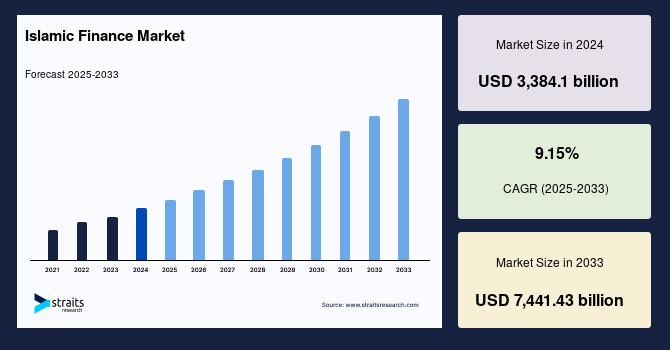
The Islamic finance industry is experiencing strong global growth, driven by increasing demand for ethical and faith-based financial solutions.
This expansion is expected to continue into the next decade, positioning Malaysia as a key player in shaping the future of Shariah-compliant financing10.
Maintaining leadership will require continuous improvements in both innovation and authenticity.
What This Means for Homebuyers in Malaysia
For homebuyers, the evolving landscape offers both opportunities and challenges.
Understanding contract structures, profit mechanisms, and certification processes is essential when choosing the right financing option.
Careful comparison and informed decision-making can help buyers navigate the complexities of Shariah-compliant home financing.
The Road Ahead: Reform, Trust, and Real Alignment
Malaysia’s Islamic home financing sector is at a turning point, with growing awareness of existing gaps and challenges.
Efforts to improve transparency, reduce complexity, and address compliance concerns are already underway.
The ultimate goal is to ensure that every financial product reflects not just the rules, but the true spirit of Shariah principles.
Final Thoughts
Shariah-compliant Home Financing represents more than a financial solution—it embodies a commitment to ethical and faith-based living.
As Malaysia continues to lead in Islamic finance, the focus must remain on building trust, improving transparency, and ensuring genuine compliance.
With the right balance of innovation and integrity, the future of Islamic home financing holds strong potential for sustainable growth.
Frequently Asked Questions
Question: What makes home financing Shariah-compliant?
Answer: Shariah-compliant financing avoids interest and instead uses trade-based or partnership contracts that align with Islamic principles.
Question: Is Shariah-compliant financing more expensive than conventional loans?
Answer: Costs can be similar or slightly different depending on the structure, but the key difference lies in how profit is generated rather than interest being charged.
Question: How can buyers ensure a financing product is truly compliant?
Answer: Buyers should review the contract structure, check for Shariah certification, and seek clarification from financial institutions before committing.
Disclaimer: The information is provided for general information only. JYMS Properties makes no representations or warranties in relation to the information, including but not limited to any representation or warranty as to the fitness for any particular purpose of the information to the fullest extent permitted by law. While every effort has been made to ensure that the information provided in this article is accurate, reliable, and complete as of the time of writing, the information provided in this article should not be relied upon to make any financial, investment, real estate or legal decisions. Additionally, the information should not substitute advice from a trained professional who can take into account your personal facts and circumstances, and we accept no liability if you use the information to form decisions.