
![[object Object] icon](/_next/static/media/home.59b745c9.svg)

![[object Object] icon](/_next/static/media/buy.57cae078.svg)
![[object Object] icon](/_next/static/media/rent.2864d22a.svg)
![[object Object] icon](/_next/static/media/commercial.5f5f9bbc.svg)
![[object Object] icon](/_next/static/media/condos.8a55189e.svg)
![[object Object] icon](/_next/static/media/newLaunches.e1f1ccfd.svg)
![[object Object] icon](/_next/static/media/agents.9f8252e2.svg)
![[object Object] icon](/_next/static/media/guides.f567fc08.svg)
![[object Object] icon](/_next/static/media/contactUs.a39ef3b7.svg)
![[object Object] icon](/_next/static/media/aboutUs.e47cbd6d.svg)
)

Electric Vehicles Market in Malaysia: Growth, Challenges, and What Comes Next
Key Takeaways
- Rapid Market Growth: EV adoption in Malaysia is accelerating due to policy support and rising consumer awareness.
- Infrastructure Gap: Charging network expansion remains a key barrier to mass adoption.
- Strong National Ambition: Malaysia aims to become a regional EV hub with growing manufacturing capabilities.
- Affordability Challenges: High upfront costs still limit access for many consumers.
- Mixed Practicality: EV usability varies between urban and rural areas.
A Market on the Rise
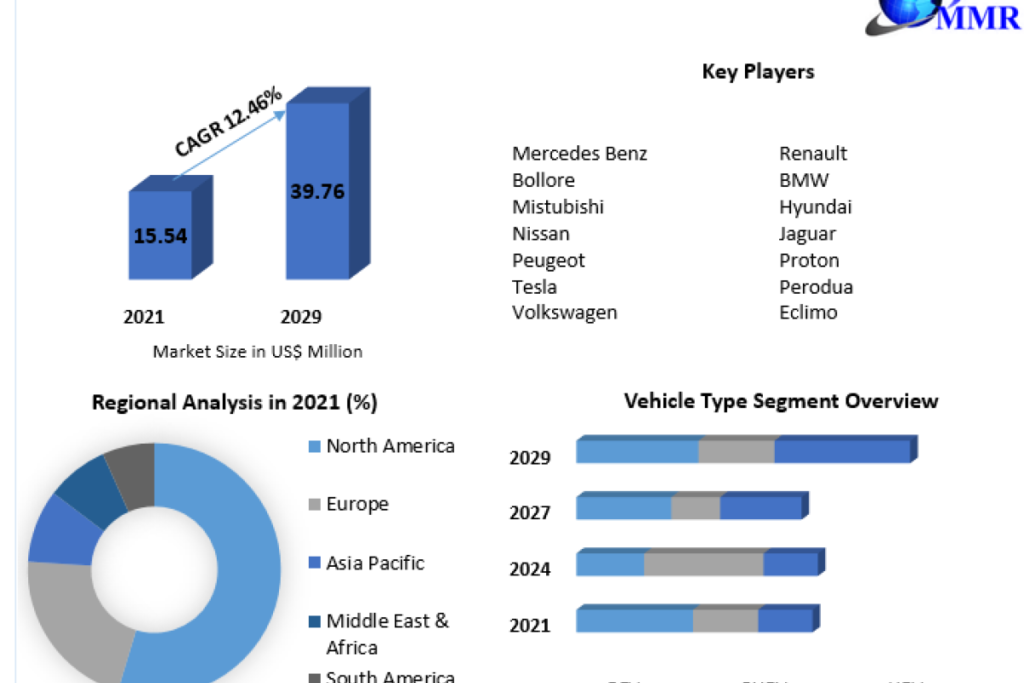
The electric vehicles market in Malaysia is showing strong signs of growth, backed by increasing consumer interest and supportive policies. EV sales are expected to grow steadily as awareness rises and incentives improve1.
This shift is not happening in isolation. Globally, EV adoption is accelerating, and Malaysia is catching up quickly as more models enter the market and consumers begin to view EVs as practical alternatives to traditional vehicles.
At the same time, global automakers are paying attention. Market dynamics have shifted with new entrants increasing visibility and competition, reshaping consumer expectations and pricing strategies2.
The Infrastructure Challenge: Charging Ahead (or Not?)
For all the excitement, one issue keeps coming up: charging. Malaysia’s EV future depends heavily on its ability to build a reliable and widespread charging network.
Integrating EVs into the national grid is complex and requires careful energy planning and infrastructure upgrades to support long-term demand3.
)
Expansion of electric vehicle charging infrastructure across urban and regional areas in Malaysia
Industry insights emphasize that building a robust EV charging ecosystem is essential for adoption, as availability and accessibility directly influence consumer confidence4.
Malaysia’s Big Ambition: Becoming an EV Hub
Malaysia is not just adopting EVs—it aims to lead in the region. The country has strong fundamentals that position it as a potential EV hub in Southeast Asia5.
Further analysis highlights the country’s ability to attract investment and scale EV production, supported by its strategic location and industrial base6.
In addition, the development of a local EV supply chain is gaining momentum, which is critical for long-term competitiveness and reducing reliance on imports7.
The Affordability Gap: Why Price Still Matters
Despite the buzz, EVs remain expensive for many Malaysians. The upfront cost continues to be a major barrier to widespread adoption, even with incentives in place.
Community insights suggest that pre-owned EVs are emerging as a practical entry point for buyers seeking affordability while still accessing electric mobility8.
However, affordability goes beyond purchase price, as concerns about battery lifespan, maintenance costs, and spare parts availability continue to influence buying decisions.
Are EVs Practical in Malaysia Today?
This remains a key question for many consumers. Opinions are mixed, with practicality often depending on location and driving habits9.
Urban areas are increasingly EV-friendly due to better infrastructure, while rural regions still face challenges such as limited charging access and longer travel distances.
The COVID-19 Effect: A Turning Point
The COVID-19 pandemic had a mixed impact on Malaysia’s EV market, disrupting supply chains while also accelerating interest in sustainable mobility solutions10.
This period acted as a catalyst for policy discussions and green initiatives, helping position EVs as part of the country’s long-term sustainability strategy.
The Road Ahead: What Will Shape the Future?
The future of the electric vehicles market in Malaysia will depend on several evolving factors, including infrastructure expansion, policy support, global competition, local manufacturing, and consumer confidence.
Progress across these areas will determine how quickly EV adoption scales and whether Malaysia can achieve its ambition of becoming a regional leader.
Final Thoughts
The electric vehicles market in Malaysia is at a turning point.
There is strong momentum driven by policy, innovation, and consumer interest, but real challenges remain in infrastructure, affordability, and accessibility.
How Malaysia navigates these challenges will shape its position in the global EV transition in the years ahead.
Frequently Asked Questions
Question: Is Malaysia ready for widespread EV adoption?
Answer: Malaysia is progressing სწრაფly, especially in urban areas, but infrastructure and affordability challenges still need to be addressed before widespread adoption becomes realistic.
Question: What is the biggest challenge for EV growth in Malaysia?
Answer: The biggest challenge is the expansion of reliable and accessible charging infrastructure across both urban and rural regions.
Question: Are electric vehicles cost-effective in Malaysia?
Answer: EVs can offer lower running costs, but the high upfront price remains a barrier, making affordability a key concern for many buyers.
Disclaimer: The information is provided for general information only. JYMS Properties makes no representations or warranties in relation to the information, including but not limited to any representation or warranty as to the fitness for any particular purpose of the information to the fullest extent permitted by law. While every effort has been made to ensure that the information provided in this article is accurate, reliable, and complete as of the time of writing, the information provided in this article should not be relied upon to make any financial, investment, real estate or legal decisions. Additionally, the information should not substitute advice from a trained professional who can take into account your personal facts and circumstances, and we accept no liability if you use the information to form decisions.