
![[object Object] icon](/_next/static/media/home.59b745c9.svg)

![[object Object] icon](/_next/static/media/buy.57cae078.svg)
![[object Object] icon](/_next/static/media/rent.2864d22a.svg)
![[object Object] icon](/_next/static/media/commercial.5f5f9bbc.svg)
![[object Object] icon](/_next/static/media/condos.8a55189e.svg)
![[object Object] icon](/_next/static/media/newLaunches.e1f1ccfd.svg)
![[object Object] icon](/_next/static/media/agents.9f8252e2.svg)
![[object Object] icon](/_next/static/media/guides.f567fc08.svg)
![[object Object] icon](/_next/static/media/contactUs.a39ef3b7.svg)
![[object Object] icon](/_next/static/media/aboutUs.e47cbd6d.svg)
)

AI-driven Property Intelligence Malaysia: How AI Is Reshaping Real Estate in 2026
Key Takeaways
- AI Transformation: Artificial intelligence is rapidly reshaping how properties are built, valued, and managed in Malaysia.
- Data-Driven Decisions: Real-time analytics now replace traditional guesswork in property investment and planning.
- Smart Ecosystems: AI integrates buildings, finance, insurance, and urban planning into a unified system.
- Efficiency Gains: Automation reduces manual workload while improving accuracy and operational speed.
- Future Growth: Malaysia is positioning itself as a regional leader in AI-powered real estate innovation.
The Big Shift: AI Enters Malaysia’s Property Market
The rise of AI-driven systems is transforming Malaysia’s real estate sector in 2026, enabling faster research, smarter valuations, and more efficient property management processes across the industry.
The launch of the AI-powered Malaysia Property Intelligence Centre marks a major turning point, allowing stakeholders to access real-time insights for better decision-making across the entire property lifecycle1.
This shift reflects a global movement where AI is becoming essential to real estate strategy, delivering predictive analytics that significantly improve planning and investment outcomes2.
In simple terms, property is evolving into a data-driven industry where decisions are guided by patterns rather than assumptions.
What Does “Property Intelligence” Really Mean?
Property intelligence refers to deep insights into pricing, demand, risks, and future trends. Traditionally, this required manual analysis, but AI now enables instant processing of massive datasets.
AI systems can scan data, detect patterns, predict values, and automate reporting, making decision-making faster and more accurate for all stakeholders involved.
In Malaysia’s diverse and fast-moving market, AI helps simplify complexity by analyzing regional trends, property types, and economic conditions simultaneously3.
Smart Buildings: Where AI Meets Sustainability
Smart buildings are one of the most visible applications of AI in real estate, using intelligent systems to automate energy use, security, and maintenance.
AI significantly improves energy efficiency by optimizing heating, cooling, and lighting systems based on real-time conditions4.
These systems can adjust air conditioning based on occupancy, detect maintenance issues early, and reduce unnecessary energy consumption, benefiting both sustainability and cost efficiency.
Automated Property Management: Less Work, More Efficiency
AI is transforming property management by automating routine tasks such as rent collection, tenant communication, and performance tracking.
Research shows that AI improves transaction efficiency and reduces human error in property management processes5.
This allows property managers to focus on strategy and tenant experience while AI handles repetitive operational tasks.
Smarter Property Valuation with AI and NLP
Determining accurate property values has always been challenging, but AI now enhances this process using natural language processing and sentiment analysis.
By analyzing news, social media, and market signals, AI can predict how public sentiment influences property prices6.
This leads to more accurate valuations, improved investment decisions, and reduced financial risk.
AI in Property Insurance: A Hidden Game-Changer
AI is also transforming property insurance by improving risk assessment, claims processing, and fraud detection.
Advanced analytics enable insurers to process data faster and provide more accurate underwriting decisions7.
This results in faster claims, personalized policies, and better overall risk management for property owners.
Malaysia’s Growing AI Readiness
Malaysia is actively building a strong foundation for AI adoption through national frameworks and strategic initiatives.
Government-led efforts are supporting responsible and structured AI development across industries, including real estate8.
At the same time, evolving legal and regulatory frameworks are ensuring that AI is implemented ethically and sustainably9.
Startups Driving Innovation: The Urbanmetry Example
Startups are playing a crucial role in advancing AI adoption within Malaysia’s property ecosystem.
Urbanmetry is leveraging AI to improve transparency and efficiency in the mortgage sector, helping lenders and buyers make better financial decisions10.
This highlights how AI is extending beyond property into the broader financial ecosystem.
Real People, Real Impact
Entrepreneurs and professionals in Malaysia are already using AI tools to improve operations, scale businesses, and make smarter decisions in real time11.
This demonstrates that AI is not just theoretical—it is actively delivering value on the ground.
The Global Context: AI’s Expanding Role
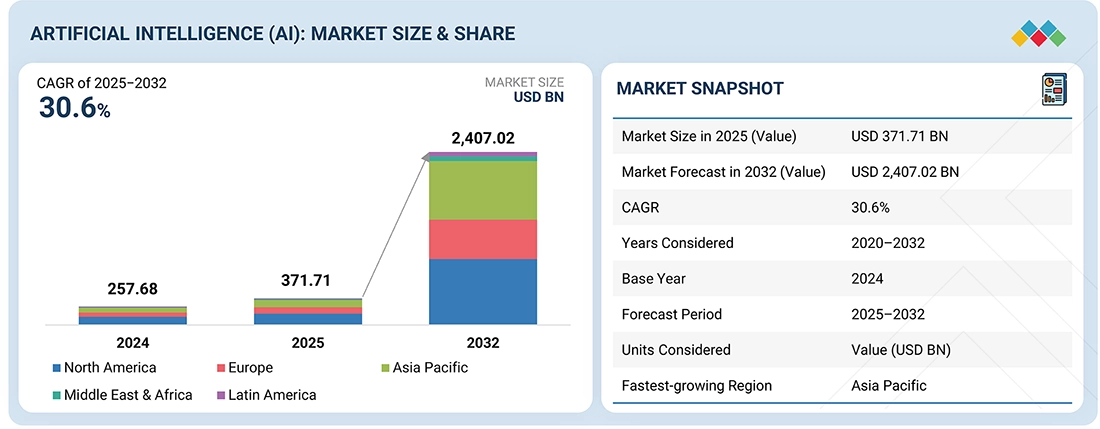
Malaysia’s progress is part of a larger global trend where AI adoption is accelerating across industries, including real estate.
AI is expected to drive significant growth in automation, predictive analytics, and investment strategies worldwide12.
This global momentum will continue to influence Malaysia’s property market in the coming years.
Visualizing the Shift
)
Data-driven analytics shaping smarter property decisions and integrated real estate ecosystems
The Future of AI-driven Property Intelligence Malaysia
The future of Malaysia’s property market will be increasingly shaped by AI, with deeper integration across planning, development, management, and investment.
We can expect more automation, smarter urban planning, greener buildings, and seamless connections between property, finance, and insurance systems.
Final Thoughts
The rise of AI-driven Property Intelligence Malaysia marks a major turning point for the real estate industry. What was once a traditional sector is now becoming fast, data-driven, and highly intelligent.
With strong support from government initiatives, innovative startups, and global industry leaders, Malaysia is well-positioned to lead AI-driven real estate transformation in Southeast Asia.
AI is no longer optional—it is the foundation of modern real estate in 2026.
Frequently Asked Questions
Question: What is AI-driven property intelligence?
Answer: It refers to the use of artificial intelligence to analyze property data, predict trends, and support smarter decision-making in real estate.
Question: How does AI benefit property buyers?
Answer: AI helps buyers access accurate pricing, better location insights, and faster decision-making tools, reducing uncertainty and risk.
Question: Is AI widely used in Malaysia’s real estate market?
Answer: Yes, AI adoption is growing rapidly in Malaysia, with applications in property valuation, management, smart buildings, and financial services.
Disclaimer: The information is provided for general information only. JYMS Properties makes no representations or warranties in relation to the information, including but not limited to any representation or warranty as to the fitness for any particular purpose of the information to the fullest extent permitted by law. While every effort has been made to ensure that the information provided in this article is accurate, reliable, and complete as of the time of writing, the information provided in this article should not be relied upon to make any financial, investment, real estate or legal decisions. Additionally, the information should not substitute advice from a trained professional who can take into account your personal facts and circumstances, and we accept no liability if you use the information to form decisions.