
![[object Object] icon](/_next/static/media/home.59b745c9.svg)

![[object Object] icon](/_next/static/media/buy.57cae078.svg)
![[object Object] icon](/_next/static/media/rent.2864d22a.svg)
![[object Object] icon](/_next/static/media/commercial.5f5f9bbc.svg)
![[object Object] icon](/_next/static/media/condos.8a55189e.svg)
![[object Object] icon](/_next/static/media/newLaunches.e1f1ccfd.svg)
![[object Object] icon](/_next/static/media/agents.9f8252e2.svg)
![[object Object] icon](/_next/static/media/guides.f567fc08.svg)
![[object Object] icon](/_next/static/media/contactUs.a39ef3b7.svg)
![[object Object] icon](/_next/static/media/aboutUs.e47cbd6d.svg)
)

Legal Requirements Malaysia: A Complete Guide to Laws, Business, Data, and Society in 2026
Key Takeaways
- Mixed Legal System: Malaysia combines common law, statutory law, and Sharia law, creating a unique and layered legal framework.
- Marriage Laws: Legal requirements vary based on religion and nationality, with distinct processes for Muslims and non-Muslims.
- Strict Travel Rules: Visitors must follow local laws closely, as enforcement is firm and penalties can be severe.
- Business Compliance: Companies must adhere to structured regulations including registration, taxation, and employment laws.
- Growing Data Laws: Data protection and cross-border data rules are becoming increasingly important in Malaysia’s digital economy.
Understanding the Legal System in Malaysia
Malaysia operates under a mixed legal system that combines common law, statutory law, and Sharia law, resulting in a layered framework where legal requirements vary depending on context, particularly in areas like family law and religion1.
This structure allows Malaysia to balance traditional values with modern governance, especially in business and international dealings where statutory and commercial laws provide clarity and consistency.
Legal Requirements for Marriage in Malaysia
Marriage in Malaysia involves specific legal procedures that depend on religion and nationality, including identity verification, marital status proof, application processes, and official registration requirements2.
Muslim marriages are governed by Islamic authorities, while non-Muslims follow civil law procedures, making it essential for individuals—especially foreigners—to ensure documentation is complete and compliant.
Travel and Safety Legal Guidelines
Travelers in Malaysia are expected to comply strictly with local laws, including carrying identification, respecting cultural norms, and understanding that violations—particularly drug-related offenses—carry severe penalties3.
While the country is generally safe, awareness of regional differences and legal expectations is essential to avoid complications during travel.
Business and Commercial Law in Malaysia
)
Reference material representing Malaysia’s structured commercial legal environment and corporate compliance framework
Malaysia’s business environment is supported by a well-defined legal framework that governs company formation, contracts, intellectual property, and employment regulations, ensuring clarity for both local and foreign investors4.
Businesses are required to register with authorities, maintain accurate financial records, and comply with tax and reporting obligations, making legal compliance a key factor in long-term success.
International Trade and Legal Agreements
Malaysia’s legal framework is closely tied to global trade through agreements that enhance economic cooperation, improve market access, and establish clearer regulatory standards for international business operations5.
Such agreements contribute to a more predictable legal environment while increasing compliance expectations for companies engaged in cross-border activities.
Data Protection Laws in Malaysia
Data protection has become a central legal focus in Malaysia, with regulations emphasizing user consent, limited data usage, and strong security measures to safeguard personal information6.
These laws are particularly important for businesses leveraging digital technologies, as compliance is essential in maintaining trust and avoiding penalties.
Cross-Border Data Transfer Rules
Malaysia has introduced guidelines to regulate cross-border data transfers, ensuring that data shared internationally is protected and transferred only under approved conditions7.
This development reflects the country’s efforts to align with global standards while addressing the growing importance of data privacy in a connected world.
Human Rights and Legal Challenges
Trafficking in Persons
Concerns remain regarding trafficking, with ongoing challenges in enforcement and protection for vulnerable populations despite existing legal frameworks8.
Children’s Legal Identity and Education
Some children face barriers due to lack of legal documentation, limiting access to essential services such as education and healthcare9.
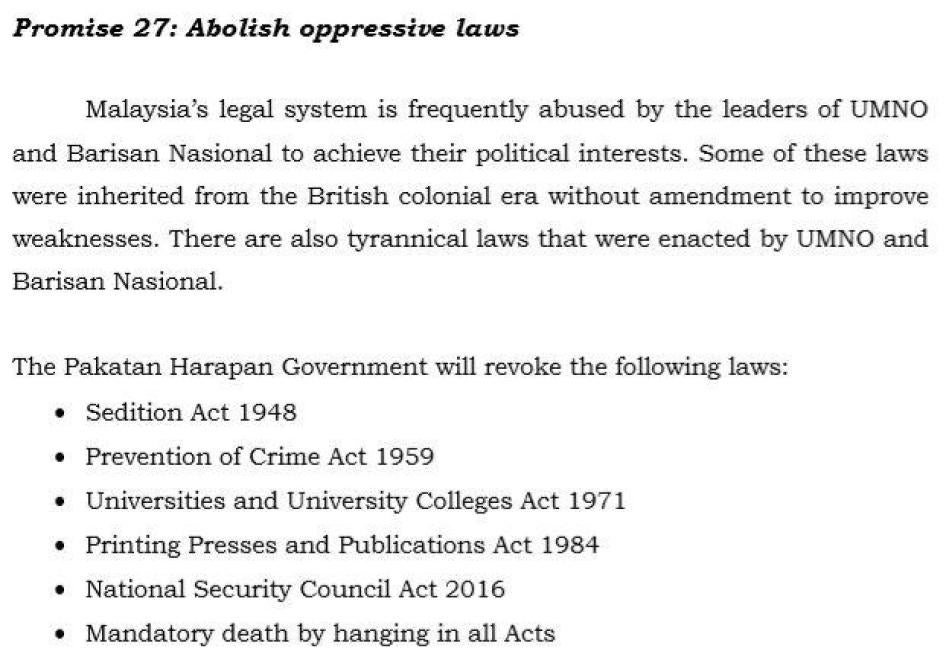
Security Laws and Civil Liberties
Debates continue حول balancing national security with civil liberties, as certain laws are viewed as restrictive by critics and advocacy groups10.
Why Legal Requirements in Malaysia Matter More Than Ever
Malaysia is rapidly evolving as a hub for trade, technology, and investment, making legal awareness increasingly important for individuals and businesses navigating its dynamic environment.
Understanding legal responsibilities helps ensure compliance, reduce risks, and support sustainable growth in both personal and professional contexts.
The Future of Legal Frameworks in Malaysia
Malaysia’s legal landscape is expected to continue evolving, driven by digital transformation, global alignment, social reform, and business-friendly policies that aim to attract investment while maintaining regulatory integrity.
These trends highlight the country’s ongoing efforts to balance modernization with legal stability in an increasingly interconnected world.
Final Thoughts
Understanding legal requirements in Malaysia is essential for travelers, entrepreneurs, and anyone engaging with the country’s systems.
As laws continue to evolve alongside economic and technological growth, staying informed will remain key to navigating Malaysia’s legal landscape effectively.
Frequently Asked Questions
Question: What type of legal system does Malaysia use?
Answer: Malaysia uses a mixed legal system that combines common law, statutory law, and Sharia law, depending on the context and subject matter.
Question: Are laws in Malaysia strict for tourists?
Answer: Yes, Malaysia enforces its laws strictly, especially regarding drugs and public conduct, so travelers should always follow local regulations carefully.
Question: Why are data protection laws important in Malaysia?
Answer: Data protection laws are crucial because they regulate how personal information is collected, used, and stored, especially as businesses rely more on digital technologies.
Disclaimer: The information is provided for general information only. JYMS Properties makes no representations or warranties in relation to the information, including but not limited to any representation or warranty as to the fitness for any particular purpose of the information to the fullest extent permitted by law. While every effort has been made to ensure that the information provided in this article is accurate, reliable, and complete as of the time of writing, the information provided in this article should not be relied upon to make any financial, investment, real estate or legal decisions. Additionally, the information should not substitute advice from a trained professional who can take into account your personal facts and circumstances, and we accept no liability if you use the information to form decisions.