![[object Object] icon](/_next/static/media/home.59b745c9.svg)

![[object Object] icon](/_next/static/media/buy.57cae078.svg)
![[object Object] icon](/_next/static/media/rent.2864d22a.svg)
![[object Object] icon](/_next/static/media/commercial.5f5f9bbc.svg)
![[object Object] icon](/_next/static/media/condos.8a55189e.svg)
![[object Object] icon](/_next/static/media/newLaunches.e1f1ccfd.svg)
![[object Object] icon](/_next/static/media/agents.9f8252e2.svg)
![[object Object] icon](/_next/static/media/guides.f567fc08.svg)
![[object Object] icon](/_next/static/media/contactUs.a39ef3b7.svg)
![[object Object] icon](/_next/static/media/aboutUs.e47cbd6d.svg)
)

Shariah-compliant home financing: How ethical mortgages are reshaping homeownership in 2026
Key Takeaways
- Interest-Free Financing: Shariah-compliant home financing avoids interest and focuses on ethical, asset-backed transactions.
- Partnership-Based Models: Banks and buyers often share ownership or structure deals as trade rather than loans.
- Growing Global Demand: Ethical finance trends are pushing Islamic mortgages into the mainstream market.
- Malaysia as a Leader: The country offers advanced Islamic financing products and frameworks.
- Need for Awareness: Customer understanding and transparency remain key challenges in adoption.
Introduction to Ethical Home Financing
)
Modern residential developments reflecting ethical and inclusive approaches to homeownership
In 2026, Shariah-compliant home financing is no longer a niche idea. It is becoming a major force in global property markets, especially in Malaysia, where ethical and transparent financial solutions are gaining traction among homebuyers seeking alternatives to conventional mortgages.
This shift is driven by increasing demand for fairness, clarity, and financial systems aligned with ethical or faith-based principles. As a result, Islamic home financing is attracting attention from banks, policymakers, and everyday buyers alike.
What is Shariah-compliant home financing?
Shariah-compliant home financing follows Islamic law, with its most important rule being the prohibition of interest (riba). Instead of traditional lending, Islamic banks rely on structured transactions based on trade or partnership models.
These systems are designed around principles such as risk-sharing, asset-backed financing, and ethical investment practices, ensuring that transactions are tied to real economic activity rather than speculative gains1.
In many cases, the bank and buyer act as partners, fundamentally changing the relationship compared to conventional lending structures.
Islamic vs conventional mortgages: what’s the real difference?
While both financing methods involve regular payments leading to homeownership, their underlying structures are very different. Conventional mortgages are based on borrowing money with interest, whereas Islamic financing structures transactions as sales or partnerships.
This approach avoids interest entirely by replacing it with rent, profit margins, or agreed mark-ups, ensuring compliance with Shariah principles while maintaining financial viability2.
Popular Shariah-compliant home financing products in Malaysia
Malaysia stands out as a global leader in Islamic finance, offering a wide range of well-developed home financing solutions tailored to different buyer needs.
- Commodity Murabahah structures allow banks to sell assets at a profit with deferred payments.
- Flexible mortgage models cater to varying financial situations while maintaining compliance.
- Globally recognized banking institutions now offer Islamic financing products.
- Comprehensive ecosystems provide multiple financing options under one framework.
These offerings highlight how Islamic financing has evolved into a scalable and practical system for modern homeownership3.
The role of Shariah Boards: who ensures it’s truly halal?
Shariah Boards play a central role in maintaining the integrity of Islamic finance. These panels of scholars review financial products, monitor compliance, and ensure that all transactions adhere to Islamic principles.
Their oversight acts as a form of ethical auditing, helping build trust among consumers and ensuring that products genuinely follow Shariah guidelines rather than simply being labeled as such.
The hidden challenge: is everything truly compliant?
Despite strong frameworks, concerns remain about certain practices. One issue is Shariah Non-compliance Income (SNCI), which can arise when parts of a transaction do not fully meet required standards4.
This has led to ongoing debates about whether some models are genuinely aligned with Islamic principles or simply structured to appear compliant, prompting calls for innovation and reform.
What do customers actually think?
Customer perception of Islamic home financing is improving, with many appreciating its ethical foundation and transparency. However, gaps in understanding still exist, particularly around legal structures and obligations5.
This highlights the importance of education in helping buyers make informed decisions and fully understand how these financing models work.
Why reform is now a hot topic
Calls for reform are growing stronger as experts emphasize the need to enhance trust, fairness, and transparency within Malaysia’s Islamic home financing system6.
This push for improvement reflects a maturing industry aiming to align more closely with its foundational principles while adapting to modern financial realities.
The big picture: a rapidly growing market
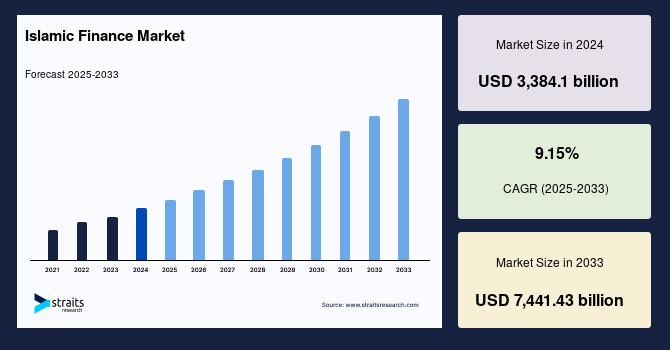
The Islamic finance sector is expanding rapidly, driven by rising demand for ethical financial solutions, demographic growth, and global interest in responsible investing7.
This growth signals that Shariah-compliant home financing is becoming a significant part of the global financial ecosystem rather than remaining a regional alternative.
How AI is quietly entering the space
Artificial intelligence is beginning to influence Islamic finance by improving risk assessments, detecting compliance issues, and enhancing customer education through digital tools.
These advancements have the potential to simplify complex structures, increase transparency, and strengthen trust in Shariah-compliant financial systems.
What this means for homebuyers
For homebuyers, understanding the structure behind financing is crucial. It is important to evaluate how profits are generated, the role of Shariah oversight, and how different products compare across institutions.
- Understand how the financing structure works.
- Ask how the bank earns its profit.
- Verify Shariah Board involvement.
- Compare multiple financing options.
Exploring available options through reliable property platforms can also help buyers make better-informed decisions.
Final thoughts: more than just a mortgage
Shariah-compliant home financing represents more than just an alternative to conventional mortgages. It reflects a broader shift toward fairness, transparency, and shared responsibility in financial systems.
As the industry evolves, the focus is moving from simple compliance to deeper authenticity, transforming Islamic finance into a mainstream solution for ethical homeownership.
Frequently Asked Questions
Question: What makes Shariah-compliant home financing different from traditional mortgages?
Answer: It avoids interest and instead uses asset-based or partnership structures where banks and buyers share ownership or profits.
Question: Is Islamic home financing only for Muslims?
Answer: No, it is open to anyone seeking ethical and interest-free financing options regardless of religion.
Question: Are Shariah-compliant mortgages more expensive?
Answer: Costs can be comparable to conventional loans, but they are structured differently, focusing on transparency and agreed profit rather than interest.
Disclaimer: The information is provided for general information only. JYMS Properties makes no representations or warranties in relation to the information, including but not limited to any representation or warranty as to the fitness for any particular purpose of the information to the fullest extent permitted by law. While every effort has been made to ensure that the information provided in this article is accurate, reliable, and complete as of the time of writing, the information provided in this article should not be relied upon to make any financial, investment, real estate or legal decisions. Additionally, the information should not substitute advice from a trained professional who can take into account your personal facts and circumstances, and we accept no liability if you use the information to form decisions.