
![[object Object] icon](/_next/static/media/home.59b745c9.svg)

![[object Object] icon](/_next/static/media/buy.57cae078.svg)
![[object Object] icon](/_next/static/media/rent.2864d22a.svg)
![[object Object] icon](/_next/static/media/commercial.5f5f9bbc.svg)
![[object Object] icon](/_next/static/media/condos.8a55189e.svg)
![[object Object] icon](/_next/static/media/newLaunches.e1f1ccfd.svg)
![[object Object] icon](/_next/static/media/agents.9f8252e2.svg)
![[object Object] icon](/_next/static/media/guides.f567fc08.svg)
![[object Object] icon](/_next/static/media/contactUs.a39ef3b7.svg)
![[object Object] icon](/_next/static/media/aboutUs.e47cbd6d.svg)
)

Malaysian Home Improvement Market Size: A Fast-Growing Retail Story in 2026
Key Takeaways
- Rapid Market Growth: The sector is expanding steadily with strong projections through 2030.
- Retail-Driven Expansion: Large retail chains are accelerating accessibility and affordability.
- MR.D.I.Y. Dominance: A key player shaping the industry through scale and pricing strategy.
- Infrastructure Support: Logistics and digital transformation are enabling faster growth.
- Consumer Behavior Shift: Home improvement is becoming a lifestyle rather than a necessity.
A Market on the Rise: Understanding the Malaysian Home Improvement Market Size
The Malaysian home improvement market size is quietly becoming one of the most exciting growth stories in Southeast Asia. What once seemed like a simple retail niche has evolved into a powerful economic engine tied to real estate, logistics, and digital infrastructure.
Over recent years, the market has expanded steadily with consistent growth trends and long-term projections pointing toward continued expansion through 20301.
This growth is fueled by rising homeownership, increased DIY activity, and a growing middle class willing to invest in better living environments. For additional insights into DIY trends and retail dominance, refer to this resource2.
The Retail Engine Behind the Boom
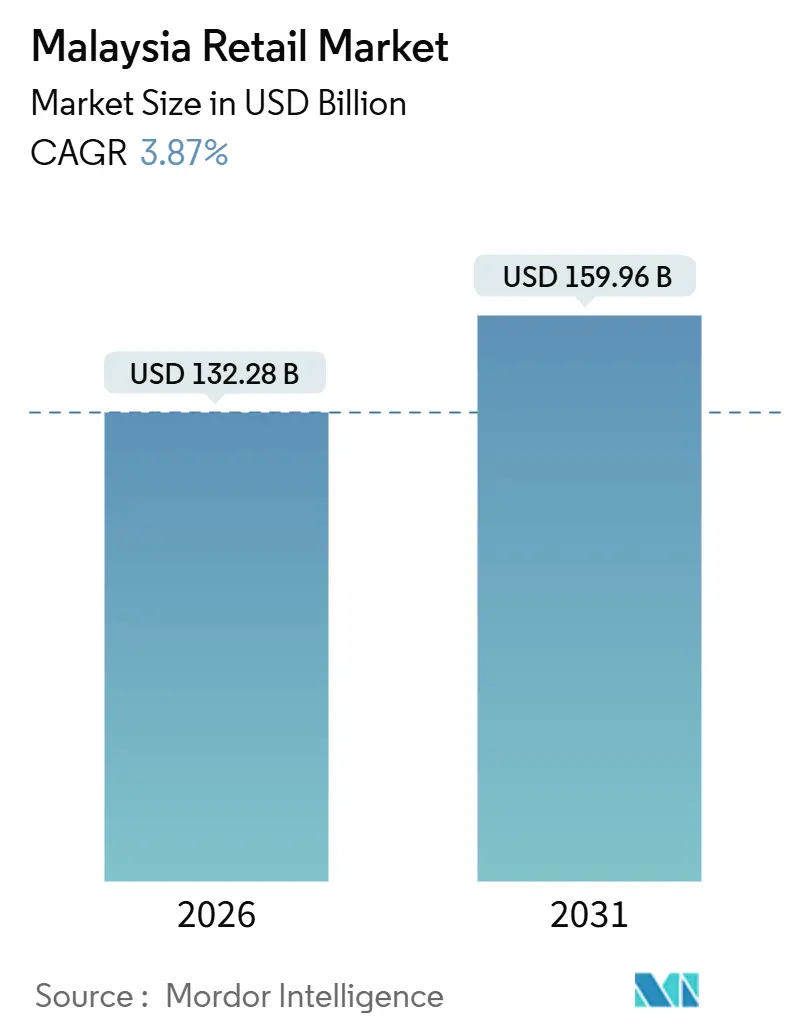
Malaysia’s retail ecosystem plays a critical role in shaping the Malaysian home improvement market size, with organized chains offering convenience, affordability, and variety.
)
Retail segmentation across consumer categories highlighting growth in home improvement retail
The competitive retail landscape shows how home improvement has carved out a stronger presence among consumer spending categories, supported by innovation and evolving shopping behavior3.
Technology-driven strategies and retail innovation are further accelerating growth across the sector4.
MR.D.I.Y.: From One Store to a Billion-Dollar Empire
MR.D.I.Y. stands at the center of the Malaysian home improvement market size, growing from a single outlet into a billion-dollar retail empire.
The company’s success is driven by its ability to combine affordability with large-scale operations, making home improvement accessible to everyday consumers5.
Its founders transformed a simple retail concept into a multi-billion-dollar business, demonstrating the scalability of this sector6.
Strong investor confidence, including major institutional backing during its IPO, further validates the market’s growth potential7.
Recognition and Competitive Strength
Beyond size, MR.D.I.Y.’s strength lies in its operational excellence and strategic positioning within Malaysia’s retail landscape.
The company has been recognized for its multidimensional competitiveness, excelling in pricing, expansion, and customer experience8.
Research also shows that companies balancing cost efficiency and innovation tend to outperform competitors in dynamic markets9.
Expansion Isn’t Always Smooth
Despite domestic success, regional expansion presents challenges. Market differences across Southeast Asia create barriers in scaling operations effectively.
Recent developments show mixed outcomes in international markets, highlighting investor caution and varying local dynamics10.
Real Estate, Jobs, and Everyday Impact
The growth of home improvement retail is closely tied to Malaysia’s real estate sector, creating demand for renovation, maintenance, and furnishing.
This interconnected ecosystem generates employment across construction, retail, and logistics, contributing to broader economic development11.
Logistics: The Hidden Backbone of Growth
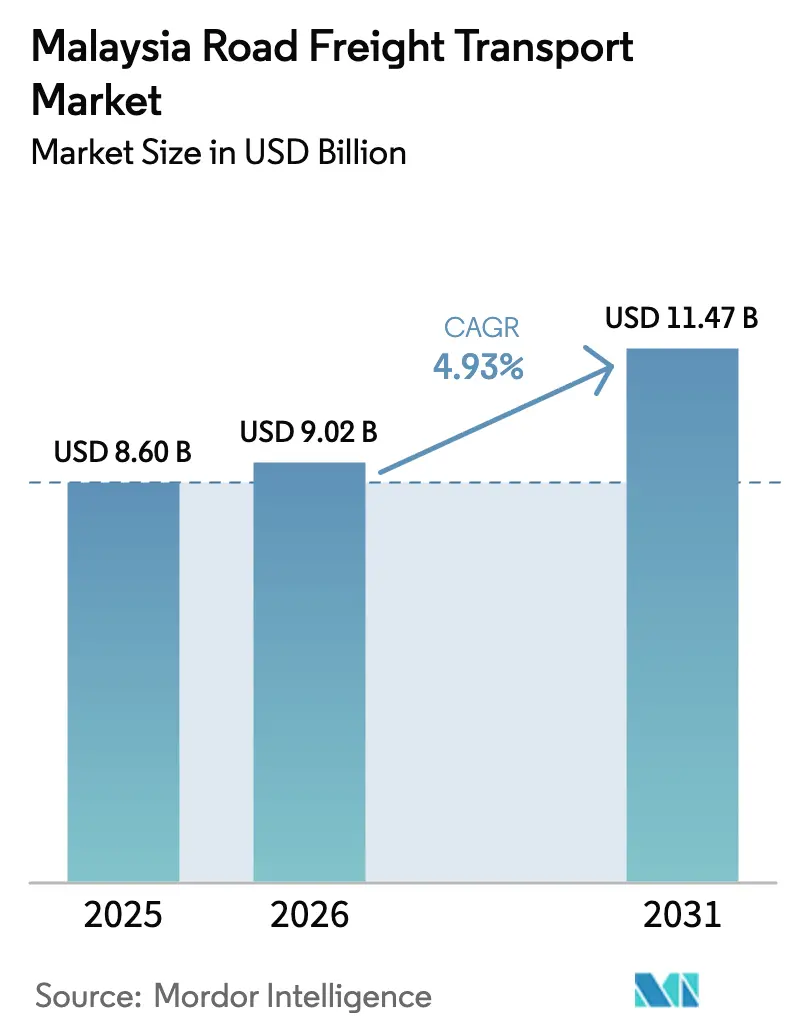
Efficient logistics systems are essential to supporting the Malaysian home improvement market size, ensuring timely delivery and supply chain reliability.
Growth in Malaysia’s transport and freight sectors continues to support retail expansion and operational efficiency12.
Infrastructure evolution, including the rise of data centers and digital ecosystems, further strengthens logistics and connectivity nationwide13.
Why Consumers Are Spending More on Home Improvement
Consumer behavior is shifting, with homes now serving multiple purposes—from workspaces to leisure environments.
As a result, spending on home upgrades has become more frequent and intentional, driven by lifestyle preferences and accessibility of affordable products.
The Road Ahead: What to Expect by 2030
The outlook for the Malaysian home improvement market size remains strong, with steady growth expected across the next decade.
Retail expansion, technological integration, and evolving consumer expectations will continue shaping the competitive landscape.
Final Thoughts
The Malaysian home improvement market size reflects more than just retail growth—it highlights changing lifestyles, economic development, and rising consumer expectations.
As the country continues to modernize, home improvement will remain a key driver of both economic activity and everyday living standards.
Frequently Asked Questions
Question: What is driving the growth of the Malaysian home improvement market?
Answer: The growth is driven by rising homeownership, increased DIY culture, higher disposable incomes, and greater focus on home aesthetics and functionality.
Question: Why is MR.D.I.Y. important in this market?
Answer: MR.D.I.Y. plays a major role by offering affordable products at scale, making home improvement accessible to a wide range of consumers.
Question: How does infrastructure impact the home improvement market?
Answer: Strong logistics and infrastructure enable efficient product distribution, lower costs, and better customer experiences, all of which support market growth.
Disclaimer: The information is provided for general information only. JYMS Properties makes no representations or warranties in relation to the information, including but not limited to any representation or warranty as to the fitness for any particular purpose of the information to the fullest extent permitted by law. While every effort has been made to ensure that the information provided in this article is accurate, reliable, and complete as of the time of writing, the information provided in this article should not be relied upon to make any financial, investment, real estate or legal decisions. Additionally, the information should not substitute advice from a trained professional who can take into account your personal facts and circumstances, and we accept no liability if you use the information to form decisions.