
![[object Object] icon](/_next/static/media/home.59b745c9.svg)

![[object Object] icon](/_next/static/media/buy.57cae078.svg)
![[object Object] icon](/_next/static/media/rent.2864d22a.svg)
![[object Object] icon](/_next/static/media/commercial.5f5f9bbc.svg)
![[object Object] icon](/_next/static/media/condos.8a55189e.svg)
![[object Object] icon](/_next/static/media/newLaunches.e1f1ccfd.svg)
![[object Object] icon](/_next/static/media/agents.9f8252e2.svg)
![[object Object] icon](/_next/static/media/guides.f567fc08.svg)
![[object Object] icon](/_next/static/media/contactUs.a39ef3b7.svg)
![[object Object] icon](/_next/static/media/aboutUs.e47cbd6d.svg)
)

Travel and Tourism Impact on Malaysia Property Market
Key Takeaways
- Tourism Drives Demand: Tourist activity is increasing demand for short-term rentals and lifestyle properties.
- Airbnb Influence: Short-term rental platforms are reshaping property investment strategies.
- Infrastructure Growth: Air connectivity and regional development are boosting property values.
- Seasonality Matters: Tourism cycles directly impact rental income and occupancy rates.
- Technology and Risk Factors: Data insights and climate risks are shaping future investment decisions.
Tourism Is Driving Property Demand in New Ways
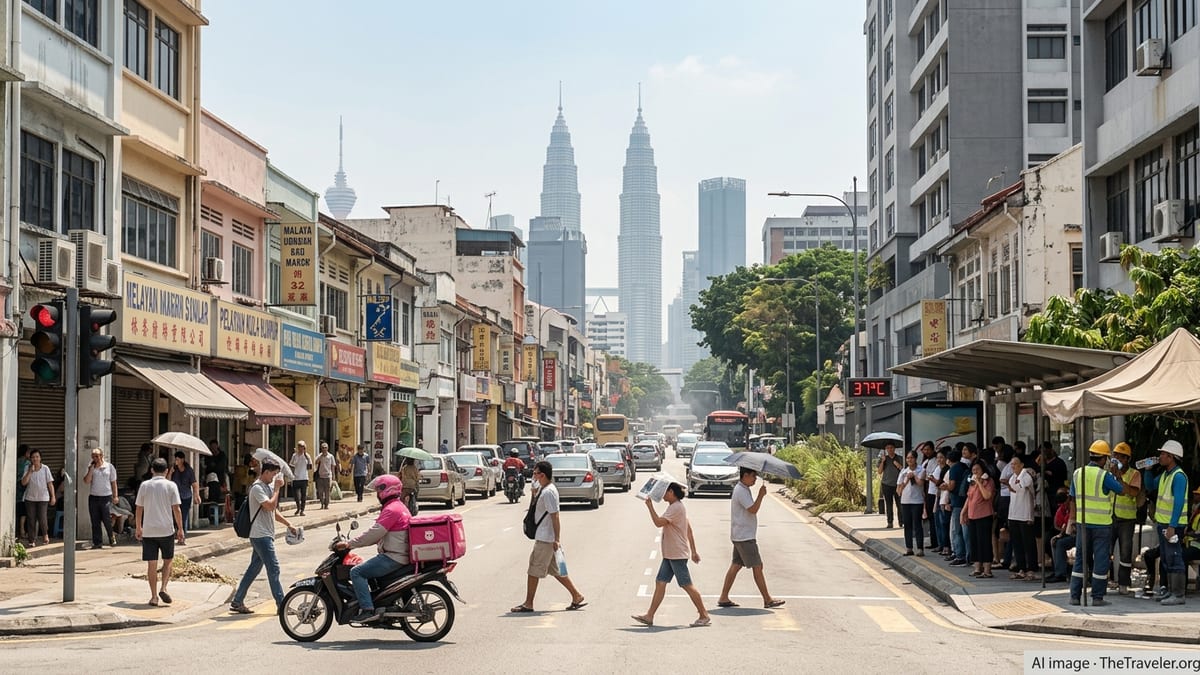
The Travel and Tourism Impact on Malaysia Property Market is becoming increasingly significant as travel rebounds in 2026. Tourists are no longer just visitors—they are influencing where and how property investments happen across the country.
Research shows that local perceptions of tourism matter just as much as economic gains, with communities supporting development when benefits like jobs and infrastructure are clear1.
In Malaysia, cities like Kuala Lumpur, Penang, and Langkawi are seeing rising demand for short-term rentals, mixed-use developments, and lifestyle-focused housing, attracting both local and international investors.
The Airbnb Effect: A Game-Changer for Real Estate
Airbnb has transformed the Malaysian property landscape, turning residential units into income-generating assets tied to tourism demand.
Its economic contribution and role in diversifying tourism have directly increased property demand across key destinations2.
At the same time, global research highlights how short-term rental platforms have become a core part of modern travel ecosystems, reinforcing their influence on real estate trends3.
Air Travel Expansion Is Fueling Real Estate Growth
Air connectivity plays a crucial role in tourism growth, which in turn drives property demand in connected regions.
Studies show that air transport significantly contributes to economic development and property expansion by improving accessibility4.
In Malaysia, improved flight networks are opening secondary cities, increasing housing demand, and boosting property values near transport hubs.
Malaysia’s Global Competitiveness in Tourism
Malaysia’s global tourism competitiveness plays a major role in attracting property investors.
Global tourism indexes highlight how strong infrastructure and consistent visitor flows contribute to long-term investment potential5.
Resilience in tourism recovery further strengthens investor confidence and supports sustained property market growth6.
Property Market Trends Linked to Tourism
Tourism is shaping not only demand but also the type of properties being developed across Malaysia.
Market insights show increasing opportunities driven by tourism demand, especially in serviced apartments and resort-style developments7.
Developers are increasingly targeting travelers, digital nomads, and short-term tenants, transforming the character of entire neighborhoods.
Regional Growth: The Johor-Singapore Effect
The Johor-Singapore Special Economic Zone is a major catalyst for cross-border tourism and real estate growth.
This initiative is expected to boost investment, hospitality development, and property values in Johor through stronger regional integration8.
Technology Is Reshaping Travel—and Property
Technology is making tourism more efficient, and that efficiency is feeding directly into property market growth.
Advanced travel platforms are improving booking systems and data insights, helping investors identify high-demand areas more effectively9.
Climate Challenges Are Changing Travel Patterns
Tourism trends are also affected by climate change and regional competition, which can influence property demand.
Shifts in nearby tourism markets demonstrate how quickly travel patterns can change, impacting investment decisions10.
Extreme weather conditions in Malaysia are already affecting tourism behavior and could influence long-term property attractiveness11.
Why Timing Matters: Seasonality and Tourism Flow
)
Seasonal travel patterns influenced by weather cycles and regional tourism trends across Malaysia
Tourism in Malaysia follows seasonal patterns influenced by monsoon cycles and travel trends, directly affecting visitor flow and property performance.
These fluctuations play a key role in determining rental income, occupancy rates, and pricing strategies for property owners.
The Bigger Picture: Tourism as a Property Growth Engine
Tourism is not just supporting Malaysia’s property market—it is actively shaping it through demand, infrastructure, and global travel trends.
Factors like short-term rental platforms, air connectivity, and regional partnerships continue to drive growth while introducing new complexities.
What This Means for Buyers and Investors
- Target Hotspots: Focus on high-tourism areas with strong infrastructure.
- Leverage Short-Term Rentals: Consider Airbnb-friendly properties for higher returns.
- Understand Seasonality: Plan for fluctuating demand and income cycles.
- Monitor Regional Developments: Watch zones like Johor-Singapore for growth opportunities.
- Assess Risks: Factor in climate and shifting travel trends.
Final Thoughts
The Travel and Tourism Impact on Malaysia Property Market highlights how deeply connected these industries have become.
As tourism evolves, it will continue shaping demand, influencing pricing, and redefining investment strategies across Malaysia.
Understanding these dynamics is essential for anyone looking to navigate the property market effectively in 2026 and beyond.
Frequently Asked Questions
Question: How does tourism affect property prices in Malaysia?
Answer: Tourism increases demand for accommodation, especially in hotspots, which can drive up property prices and rental yields.
Question: Is Airbnb a good investment strategy in Malaysia?
Answer: Yes, in high-tourism areas Airbnb can generate strong income, but investors must consider regulations and seasonal demand.
Question: Why is seasonality important in property investment?
Answer: Seasonal travel patterns affect occupancy rates and rental income, making timing and pricing strategies crucial for returns.
Disclaimer: The information is provided for general information only. JYMS Properties makes no representations or warranties in relation to the information, including but not limited to any representation or warranty as to the fitness for any particular purpose of the information to the fullest extent permitted by law. While every effort has been made to ensure that the information provided in this article is accurate, reliable, and complete as of the time of writing, the information provided in this article should not be relied upon to make any financial, investment, real estate or legal decisions. Additionally, the information should not substitute advice from a trained professional who can take into account your personal facts and circumstances, and we accept no liability if you use the information to form decisions.