
![[object Object] icon](/_next/static/media/home.59b745c9.svg)

![[object Object] icon](/_next/static/media/buy.57cae078.svg)
![[object Object] icon](/_next/static/media/rent.2864d22a.svg)
![[object Object] icon](/_next/static/media/commercial.5f5f9bbc.svg)
![[object Object] icon](/_next/static/media/condos.8a55189e.svg)
![[object Object] icon](/_next/static/media/newLaunches.e1f1ccfd.svg)
![[object Object] icon](/_next/static/media/agents.9f8252e2.svg)
![[object Object] icon](/_next/static/media/guides.f567fc08.svg)
![[object Object] icon](/_next/static/media/contactUs.a39ef3b7.svg)
![[object Object] icon](/_next/static/media/aboutUs.e47cbd6d.svg)
)

Legal and Tax Requirements for Malaysian Dropshippers: A Complete Guide for 2026
Key Takeaways
- Legal Responsibility: Dropshippers in Malaysia are legally accountable for transactions, even when suppliers handle shipping.
- Business Registration: Registering with SSM is essential to operate legally and build trust.
- Tax Compliance: Income from both local and international sales must be declared.
- Global Selling Rules: Cross-border operations require proper documentation like W-8BEN forms.
- Logistics Awareness: Understanding import duties and shipping rules helps avoid hidden costs.
Why Legal and Tax Compliance Matters in Dropshipping
Dropshipping may feel simple: you sell, a supplier ships, and you earn the margin. But legally, you are still responsible for the transaction. Malaysian authorities treat dropshipping like any other business, meaning you must follow laws, report income, and understand tax obligations fully1.
Compliance goes beyond basic registration and includes areas like consumer protection, documentation, and accurate reporting. Ignoring these responsibilities can result in penalties or even business shutdowns2.
Getting Started: Legal Setup in Malaysia
Before launching your store, establishing a legal structure is essential. Most Malaysian dropshippers begin by registering with Suruhanjaya Syarikat Malaysia (SSM), which formalizes the business and ensures compliance with national regulations.
Business Registration (SSM and Beyond)
Registering with SSM is only the first step. Businesses are also expected to maintain proper financial records, comply with consumer laws, and ensure transparency in pricing and policies to build trust with customers3.
Additional Legal Requirements
Beyond registration, having proper website policies is critical. This includes terms and conditions, privacy policies, and refund guidelines, all of which help protect both the business and its customers4.
Understanding Taxes for Malaysian Dropshippers
Taxes can be complex, but they are unavoidable. Any income generated through dropshipping must be declared, whether it comes from local buyers or international customers. Malaysia’s tax system considers both residency and income source when determining obligations5.
Cross-Border Tax Challenges: Selling Globally
Selling internationally introduces additional tax considerations. For example, Malaysian sellers targeting U.S. customers often need to submit documentation proving foreign status to avoid incorrect taxation6.
Many global sellers successfully operate without setting up a foreign company, but they must still manage compliance carefully, especially when handling payments, taxes, and logistics7.
Malaysia vs Singapore: Where Do You Pay Taxes?
Operating across borders raises the question of tax jurisdiction. Factors such as where the business operates, where decisions are made, and existing tax treaties all influence where taxes should be filed8.
Sales Tax and Exemptions: A Hidden Advantage
Malaysia provides certain sales tax exemptions for drop shipment activities, which can significantly reduce operational costs. However, eligibility depends on how your supply chain is structured and should be verified carefully9.
Import Duties and Shipping Taxes
Shipping plays a major role in dropshipping success, and understanding import duties is essential to avoid unexpected costs or delays. Duties vary depending on product category, shipment value, and country of origin10.
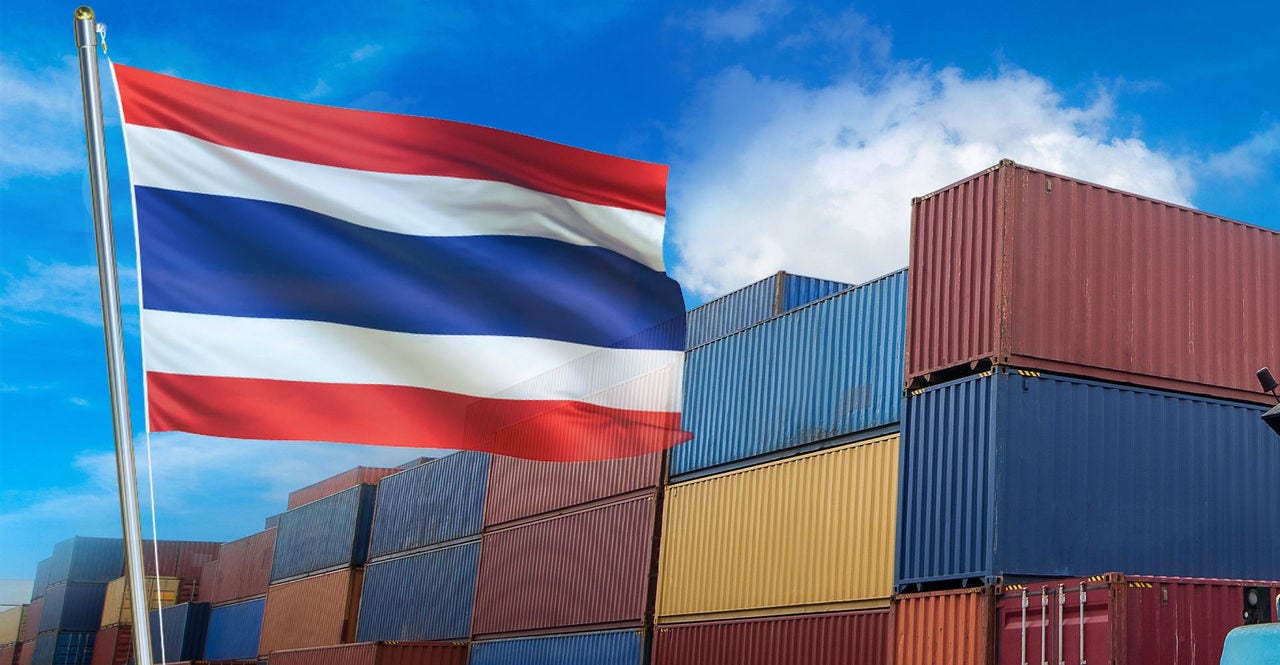
Expanding into nearby markets like Thailand introduces different duty structures and regulations, making early logistics planning crucial for smooth operations11.
Practical Shipping Tips for Malaysian Dropshippers
Efficient shipping strategies help build customer trust and improve retention. Choosing reliable logistics partners, understanding customs processes, and providing tracking options are all key practices for long-term success12.
Real-World Insights from Malaysian Dropshippers
Real experiences highlight common challenges such as managing payment gateways, ensuring supplier reliability, and maintaining healthy profit margins in a competitive market13.
Financial Growth Beyond Dropshipping
As your business grows, diversifying income streams becomes important. Many entrepreneurs explore investments such as property to build long-term financial stability and reduce reliance on a single revenue source14.
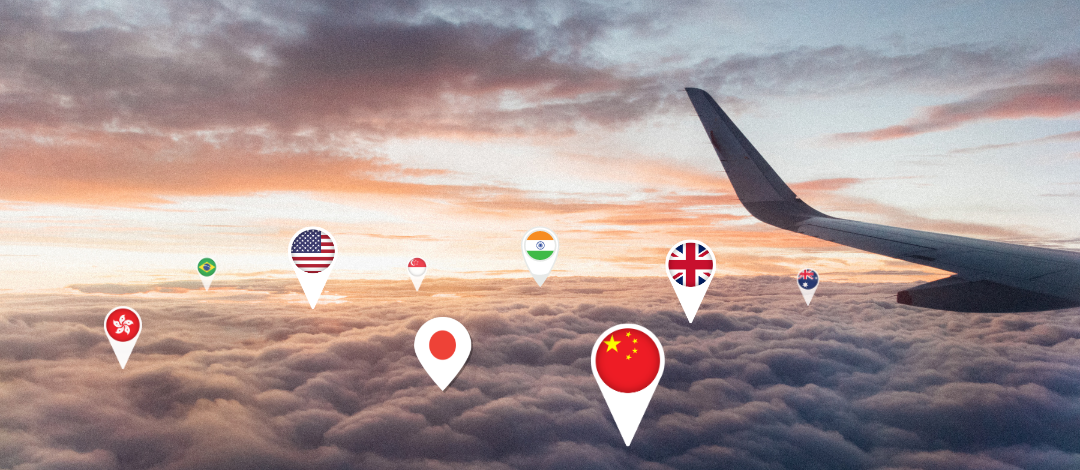
Visual Overview of Dropshipping in Malaysia
)
Global e-commerce connections linking suppliers, sellers, and customers across international markets
Common Mistakes to Avoid
- Ignoring Tax Obligations: Failing to report income can lead to penalties.
- Poor Documentation: Missing forms like W-8BEN can create tax issues.
- Overlooking Duties: Unexpected import costs can reduce profits.
- No Clear Policies: Weak policies can damage customer trust.
The Future of Dropshipping in Malaysia
Dropshipping in 2026 is becoming more structured and competitive. Regulatory oversight is increasing, platforms are enforcing stricter rules, and customer expectations continue to rise. Businesses that prioritize compliance and transparency will have a stronger foundation for growth.
Final Thoughts
Understanding the legal and tax landscape is essential for building a sustainable dropshipping business in Malaysia. From proper registration to managing international tax responsibilities, every step plays a role in long-term success.
With the right foundation, entrepreneurs can confidently scale their operations, expand globally, and turn dropshipping into a reliable and profitable venture.
Frequently Asked Questions
Question: Do I need to register a business to start dropshipping in Malaysia?
Answer: Yes, registering with SSM is required to operate legally and ensures your business complies with Malaysian regulations.
Question: Do Malaysian dropshippers need to pay tax on international sales?
Answer: Yes, income earned from both local and international customers may be taxable depending on residency and income source.
Question: What is the purpose of the W-8BEN form?
Answer: The W-8BEN form is used to declare foreign status and avoid incorrect taxation when dealing with U.S.-based platforms or payments.
Disclaimer: The information is provided for general information only. JYMS Properties makes no representations or warranties in relation to the information, including but not limited to any representation or warranty as to the fitness for any particular purpose of the information to the fullest extent permitted by law. While every effort has been made to ensure that the information provided in this article is accurate, reliable, and complete as of the time of writing, the information provided in this article should not be relied upon to make any financial, investment, real estate or legal decisions. Additionally, the information should not substitute advice from a trained professional who can take into account your personal facts and circumstances, and we accept no liability if you use the information to form decisions.