
![[object Object] icon](/_next/static/media/home.59b745c9.svg)

![[object Object] icon](/_next/static/media/buy.57cae078.svg)
![[object Object] icon](/_next/static/media/rent.2864d22a.svg)
![[object Object] icon](/_next/static/media/commercial.5f5f9bbc.svg)
![[object Object] icon](/_next/static/media/condos.8a55189e.svg)
![[object Object] icon](/_next/static/media/newLaunches.e1f1ccfd.svg)
![[object Object] icon](/_next/static/media/agents.9f8252e2.svg)
![[object Object] icon](/_next/static/media/guides.f567fc08.svg)
![[object Object] icon](/_next/static/media/contactUs.a39ef3b7.svg)
![[object Object] icon](/_next/static/media/aboutUs.e47cbd6d.svg)
)

Renting Property in Malaysia: A Complete Guide for Tenants and Landlords in 2026
Key Takeaways
- Growing Rental Demand: Malaysia’s rental market continues expanding due to rising property prices and lifestyle flexibility.
- Digital Platforms Dominate: Property search has become easier with online listing platforms and agent services.
- Legal Awareness Matters: Understanding tenancy agreements is essential to avoid disputes.
- Opportunities for Landlords: Renting out property offers income potential but requires planning and tenant screening.
- Social and Affordability Factors: Rental decisions are influenced by economic and social challenges.
The Current State of Renting Property in Malaysia
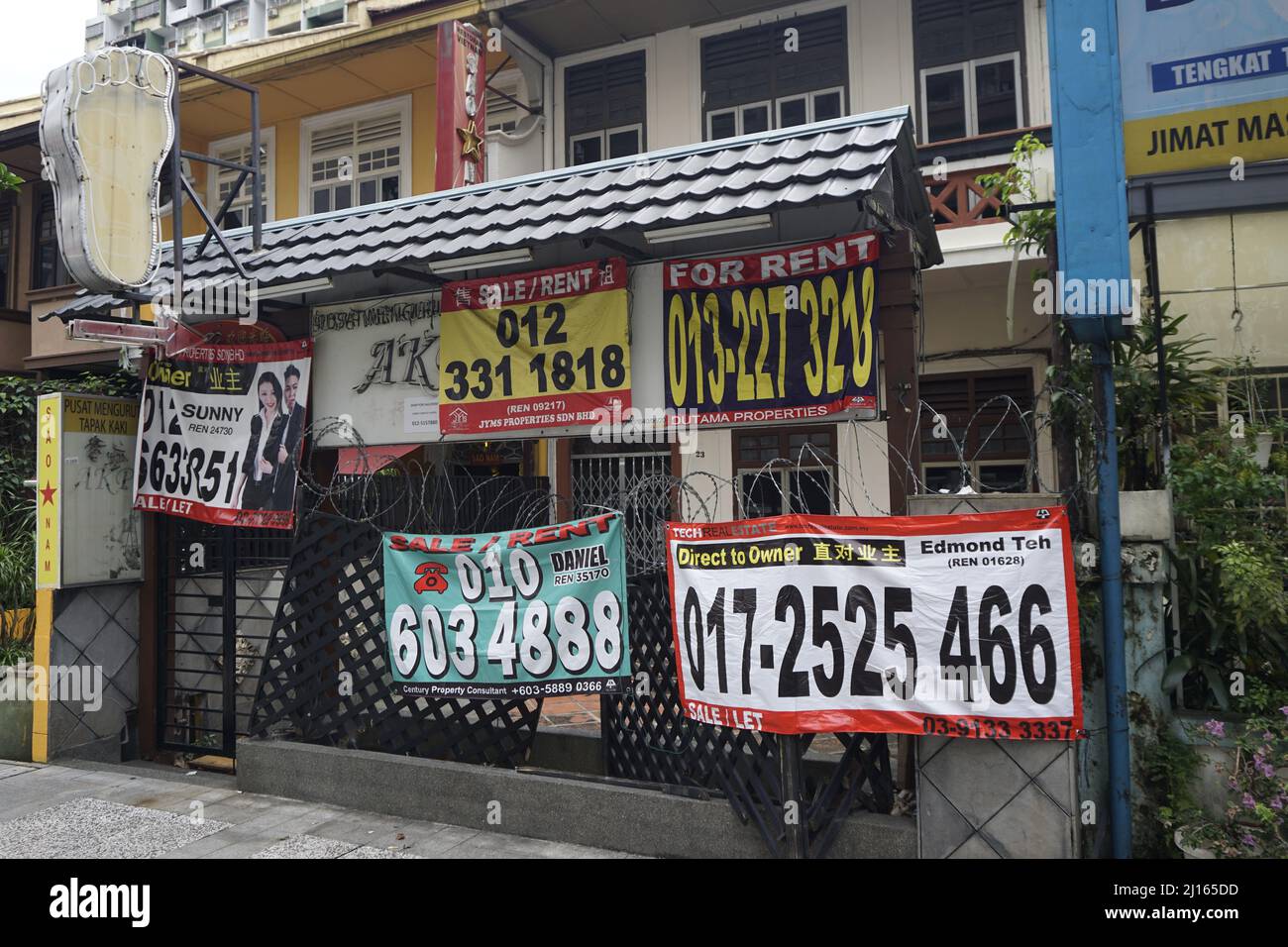
Malaysia’s rental market is booming, with thousands of properties available across major cities and suburban areas. Digital platforms have made it easier for renters to browse listings and compare options, reflecting a highly active and competitive housing environment1.
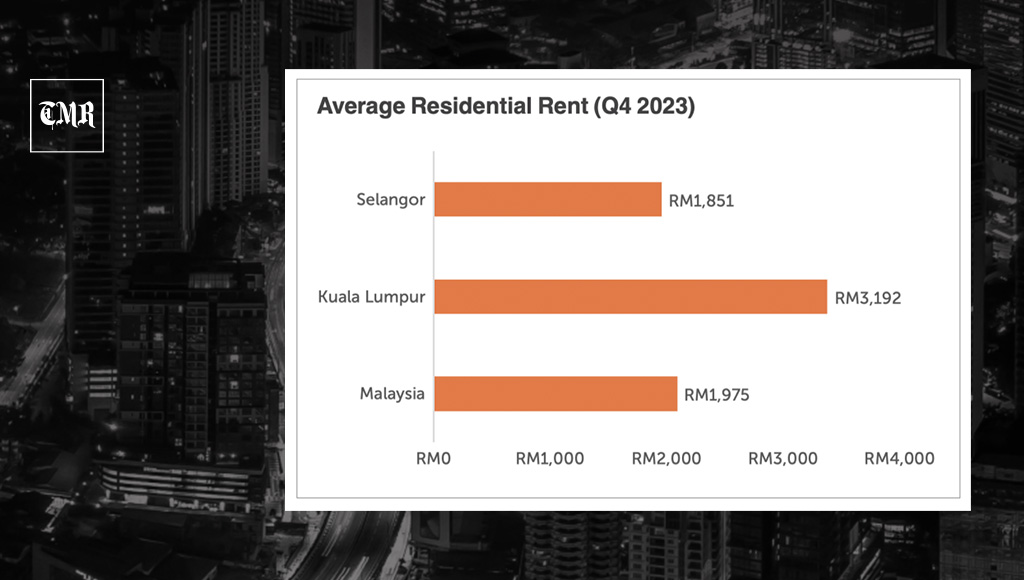
At the same time, rental prices are rising steadily due to strong urban demand. Recent data shows a 5.5% increase in rental rates, highlighting how competitive the market has become, especially in cities like Kuala Lumpur2.
)
Urban residential towers reflecting high-density living and increasing rental demand in Malaysian cities
This trend creates urgency for tenants to secure good deals quickly, while landlords benefit from higher demand but must also compete with a growing number of listings.
A First-Time Renter’s Journey
First-time renters in Malaysia often rely on shared experiences and community discussions to navigate the process and avoid common pitfalls3.
The standard process typically includes viewing a property, paying a booking fee, signing a tenancy agreement, and placing deposits. However, understanding details like property condition, hidden costs, and documentation is critical to avoiding future issues.
Additional guidance on property search and tenant screening can help renters make better decisions early in the process4.
Where to Find Rental Properties
Finding rental properties today is largely driven by online platforms, where users can browse thousands of listings and filter based on budget, location, and preferences5.
In addition to platforms, renters also use social media groups, real estate agents, and personal networks. Agents and negotiators remain valuable for navigating competitive listings and avoiding scams.
The Role of Agents and Negotiators
Property agents play a central role in Malaysia’s rental ecosystem by facilitating viewings, negotiations, and documentation. Their expertise can simplify the process and provide added security, particularly for new renters6.
While direct landlord deals are possible, agents often help ensure smoother communication and clearer agreements between both parties.
Understanding Lease Agreements in Malaysia
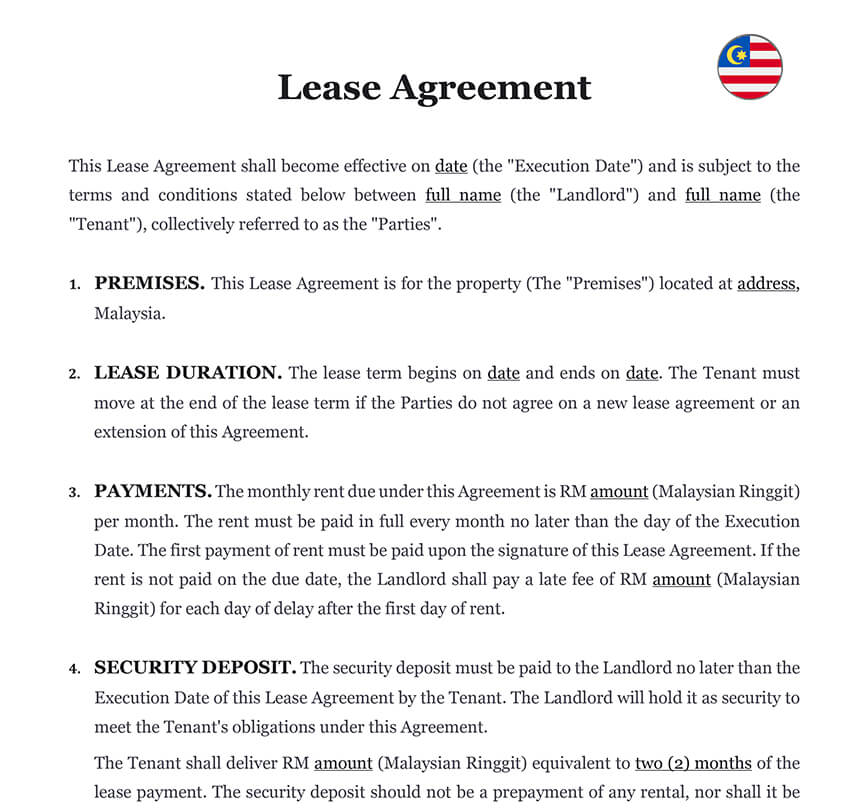
The tenancy agreement is one of the most important documents in the rental process, outlining responsibilities, payment terms, and conditions for both tenants and landlords7.
Carefully reviewing every clause and ensuring all verbal agreements are documented can prevent disputes. A well-structured agreement provides clarity and legal protection for both sides.
Landlords: How to Start Renting Out Property
New landlords often seek advice from community discussions to understand the basics of renting out property and avoiding costly mistakes8.
Preparing the property, setting a competitive price, listing effectively, and screening tenants are essential steps. Some landlords also explore alternative platforms that simplify the rental process without traditional intermediaries.
Can You Buy and Rent Out Immediately?
Investors often discuss whether properties can be rented out immediately after purchase, with various legal and financial considerations influencing the decision9.
While it is generally allowed, restrictions may apply depending on property type, financing, and local regulations. Proper planning is essential to avoid financial setbacks.
Social Challenges in the Rental Market
Beyond financial factors, social issues such as tenant discrimination and affordability challenges continue to shape the rental experience in Malaysia10.
At the same time, discussions around housing affordability highlight why many individuals choose renting over buying, especially in urban areas where property prices are high11.
Renting vs Buying: Why Renting Is Growing
Renting continues to gain popularity due to rising property prices, increased job mobility, and the flexibility it offers. Many individuals prefer renting to stay closer to work and avoid long-term financial commitments.
This shift is particularly noticeable among younger Malaysians who prioritize lifestyle flexibility and lower upfront costs.
Tips for Tenants: How to Rent Smart
- Inspect Before Signing: Always check the property condition and document any issues.
- Compare Listings: Review multiple options to understand market pricing.
- Understand Agreements: Read tenancy contracts carefully before committing.
- Track Expenses: Consider utilities, maintenance, and additional fees.
- Communicate Clearly: Maintain transparent communication with landlords.
Tips for Landlords: How to Succeed
- Set Competitive Pricing: Research market rates before listing.
- Maintain Property Quality: Well-kept units attract better tenants.
- Screen Tenants Carefully: Evaluate reliability and financial stability.
- Use Clear Agreements: Avoid misunderstandings with proper documentation.
- Leverage Technology: Use digital platforms for faster exposure.
The Future of Renting Property in Malaysia
The rental market is expected to evolve with increasing digitalization, growing urban demand, and greater awareness of tenant rights. Technology will continue to simplify property searches and transactions for both tenants and landlords.
As housing trends shift, renting will remain a key component of Malaysia’s property landscape.
Final Thoughts
Renting property in Malaysia is no longer just a temporary option but a significant part of modern living. With rising demand, evolving platforms, and changing social dynamics, both tenants and landlords must stay informed.
Understanding the market, legal frameworks, and practical considerations can help individuals make smarter decisions in an increasingly competitive environment.
Frequently Asked Questions
Question: How much deposit is typically required when renting in Malaysia?
Answer: Most landlords require two months’ rent as a security deposit along with an additional utilities deposit.
Question: Is it better to rent through an agent or directly from a landlord?
Answer: Agents provide guidance and security, while direct deals may save costs. The best choice depends on your experience and comfort level.
Question: Can landlords increase rent anytime?
Answer: Rent increases are usually governed by the tenancy agreement and can only be adjusted upon renewal or as specified in the contract.
Disclaimer: The information is provided for general information only. JYMS Properties makes no representations or warranties in relation to the information, including but not limited to any representation or warranty as to the fitness for any particular purpose of the information to the fullest extent permitted by law. While every effort has been made to ensure that the information provided in this article is accurate, reliable, and complete as of the time of writing, the information provided in this article should not be relied upon to make any financial, investment, real estate or legal decisions. Additionally, the information should not substitute advice from a trained professional who can take into account your personal facts and circumstances, and we accept no liability if you use the information to form decisions.