![[object Object] icon](/_next/static/media/home.59b745c9.svg)

![[object Object] icon](/_next/static/media/buy.57cae078.svg)
![[object Object] icon](/_next/static/media/rent.2864d22a.svg)
![[object Object] icon](/_next/static/media/commercial.5f5f9bbc.svg)
![[object Object] icon](/_next/static/media/condos.8a55189e.svg)
![[object Object] icon](/_next/static/media/newLaunches.e1f1ccfd.svg)
![[object Object] icon](/_next/static/media/agents.9f8252e2.svg)
![[object Object] icon](/_next/static/media/guides.f567fc08.svg)
![[object Object] icon](/_next/static/media/contactUs.a39ef3b7.svg)
![[object Object] icon](/_next/static/media/aboutUs.e47cbd6d.svg)
.webp)

Shariah-Compliant Home Financing: A Modern Ethical Alternative to Conventional Mortgages
Key Takeaways
- Interest-Free System: Shariah-compliant home financing eliminates riba by using asset-based or partnership models instead of traditional lending.
- Ethical Banking Approach: Promotes fairness, trust, and mutual benefit without exploiting borrowers.
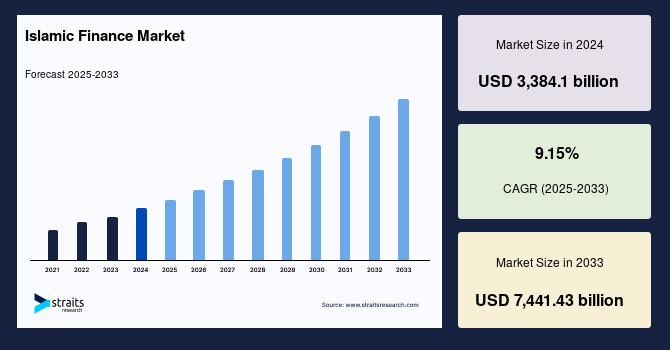
- Global Growth: Increasing interest in Islamic financial products demonstrates strong market potential among ethics-driven consumers worldwide.
Understanding Shariah-Compliant Finance
Shariah-compliant home financing is gaining recognition as an ethical alternative to conventional mortgages, especially in markets concerned with financial justice and religious principles. These financing models exclude interest (riba), ensuring compliance with Islamic values like transparency and fairness1.
What Makes It Different from a Conventional Mortgage?
Instead of loaning money with interest, Islamic banks use profit-sharing or lease-to-own structures. For example, the bank might purchase the home first and then lease or sell it back to the buyer at a markup. This removes the element of charging interest while enabling home ownership through profit-based contracts2.
Popular Structures in Islamic Home Financing
Commodity Murabahah Home Financing-i is commonly used in Malaysia. The bank purchases assets in bulk on behalf of the customer and resells them at a pre-determined profit, allowing predictable and compliant installments3.
Another product by Bank Muamalat called Smart Mortgage Home offers customer-centric features like redraw facilities and variable profit tiers, while staying compliant with Islamic law4.
Green financing is also entering the Islamic finance space, with tailored products for eco-conscious home developers and buyers5.
Islamic Finance vs Conventional Loan Models
Conventional mortgages attach interest to principal loans, which may fluctuate or compound over time. Islamic loans avoid this entirely, using profit markup or joint ownership until the buyer takes full possession. Forums show Malaysians weigh ethical conduct and payment flexibility when comparing loan types6.
.webp)
Islamic financing in Malaysia promotes justice, transparency, and alignment with spiritual values in residential property ownership
The Malaysian Reform Syndicate
In Malaysia, regulatory bodies and scholars are calling for reforms to ensure Islamic home financing fully embodies justice and transparency, addressing concerns of structural similarity with interest-bearing loans7.
Toward Stronger Shariah Alignment
Recommendations for better compliance include introducing strict audits to ensure no disguised interest and exploring more dynamic rental-based financing models that share profits fairly with homeowners8.
One study suggests restructuring rental rates to improve user experience without compromising Shariah standards, opening the door to innovation in benefit-sharing leases and ownership paths9.
The Consumers’ Voice Matters
Consumers place a premium on transparency, fairness, and religious integrity. However, many remain unclear about product details, suggesting that better educational efforts are needed across banks and brokers10.
Momentum in Southeast Asia
In a significant leap, Singapore recently announced its first Shariah-compliant home financing product, reflecting Southeast Asia’s growing appetite for ethical finance11.
Maybank Islamic continues to offer targeted financing tools that meet faith and funding needs simultaneously, enabling Muslims to purchase homes confidently12.
Frequently Asked Questions
Question: How is Shariah-compliant home financing different from traditional mortgages?
Answer: Instead of charging interest, banks earn profit through leasing or resale at a markup, which complies with Islamic financial ethics.
Question: Are Shariah-compliant financing models available for non-Muslims?
Answer: Yes, Shariah-compliant financing is open to all customers who prefer ethical, transparent, and interest-free financing models.
Question: Is there any difference in repayment periods between Islamic and conventional home financing?
Answer: Repayment terms are usually similar but structured to reflect profit-sharing or lease durations instead of interest-bearing amortization.
Disclaimer: The information is provided for general information only. JYMS Properties makes no representations or warranties in relation to the information, including but not limited to any representation or warranty as to the fitness for any particular purpose of the information to the fullest extent permitted by law. While every effort has been made to ensure that the information provided in this article is accurate, reliable, and complete as of the time of writing, the information provided in this article should not be relied upon to make any financial, investment, real estate or legal decisions. Additionally, the information should not substitute advice from a trained professional who can take into account your personal facts and circumstances, and we accept no liability if you use the information to form decisions.