

![[object Object] icon](/_next/static/media/home.59b745c9.svg)

![[object Object] icon](/_next/static/media/buy.57cae078.svg)
![[object Object] icon](/_next/static/media/rent.2864d22a.svg)
![[object Object] icon](/_next/static/media/commercial.5f5f9bbc.svg)
![[object Object] icon](/_next/static/media/condos.8a55189e.svg)
![[object Object] icon](/_next/static/media/newLaunches.e1f1ccfd.svg)
![[object Object] icon](/_next/static/media/agents.9f8252e2.svg)
![[object Object] icon](/_next/static/media/guides.f567fc08.svg)
![[object Object] icon](/_next/static/media/contactUs.a39ef3b7.svg)
![[object Object] icon](/_next/static/media/aboutUs.e47cbd6d.svg)

Buying Property in Malaysia: A Complete Guide for Foreign Investors
Key Takeaways
- Accessible Ownership: Malaysia allows foreigners to own high-value properties without the need for local partnerships in many states.
- Legal Requirements: Buyers must meet minimum property value thresholds that differ by state and get state approval for some purchases.
- Pitfalls & Costs: Oversupply, legal complexity, and financing hurdles are common challenges to navigate.
- Investment Potential: Freehold properties and a growing rental market offer attractive long-term opportunities.
- Thorough Planning: Proper research, legal guidance, and use of reliable tools greatly reduce risks.
Why Malaysia Attracts Foreign Property Buyers
Malaysia is known for its rich culture, modern infrastructure, cost-effective living, and strong expat community. Kuala Lumpur, in particular, offers world-class amenities at reasonable prices compared to other major cities in Asia. One of the key appeals is the ease of foreign ownership, without the requirement for local partners in many cases. The Malaysia My Second Home (MM2H) program further supports this by promoting long-term investments and residency1.
Understanding the Basics: Can Foreigners Buy Property in Malaysia?
The short answer is yes — foreigners are allowed to purchase property in Malaysia, though with important caveats. These include adhering to state-by-state minimum price thresholds and avoiding restricted categories such as low-cost housing and Bumiputera units2.
Further insights outline that minimum purchase values typically range from RM 600,000 to RM 2 million, depending on the region. Categories like Malay reserve land remain off-limits for foreign investment3.
Navigating the process requires legal expertise, including obtaining state-level approval and working with qualified real estate lawyers and agents4.
What You Can — and Can't — Buy as a Foreigner
- High-rise condominiums are typically accessible to foreign buyers.
- Serviced apartments within commercial buildings may be purchased with state consent.
- Landed properties may be allowed, subject to individual state policies.
- Low- and medium-cost housing units are strictly prohibited for foreigners.
- Properties built on Malay Reserve Land cannot be purchased by non-Malaysians.
- Units within Bumiputera quota are reserved solely for eligible local citizens.
What Are the Legal Steps to Own Property in Malaysia?
- Find a qualified property matching legal requirements.
- Negotiate and place a booking fee of 2%–3% to confirm interest.
- Hire property lawyers to conduct due diligence and prepare legal contracts (SPA).
- Get state consent, especially for landed properties.
- Finalize down payment and submit full documentation.
- Complete final balance payments within 90 days.
Legal compliance also means budgeting for stamp duty, legal fees, and potential property gains tax (RPGT)5.
Watch Out: Common Pitfalls Foreign Buyers Should Avoid
One of the most common missteps by foreign buyers is failing to evaluate true market prices and ending up with overvalued properties. Scenarios like buying into saturated high-rise markets or working with unverified developers have led to poor investment returns6.
Financing hurdles also emerge, including higher down payments and limited lender availability. Understanding how banking policies and buyer eligibility vary is key to avoiding rejection or delays7.
Property Search Tools: Finding the Right Unit
Finding and comparing property listings requires reliable digital tools. Global platforms like Realtor.com offer overviews in English, while search engines tailored for Malaysia — such as PropertyGuru — help assess current prices and unit specifications8, 9.
Looking to Invest? Here’s What You Should Know
Buyers who plan to lease or sell later should examine yield expectations, short-term rental laws, and tenant demand in their location. Freehold apartments remain favorite choices for long-term value10.
Forum discussions have shown that while many landlords start renting immediately post-completion, awareness of Airbnb policies and regional zoning remains key11.
Financing and Cross-Border Transactions
Financing tends to be complex but not impossible. Some Malaysian and international banks offer housing loans for foreigners, typically based on income documentation and asset declarations12.
Cross-border transfers and legal conversions must be handled carefully — currency risk, escrow handling through lawyers, and tax filing requirements post-purchase all factor in.
Final Thoughts: Is Buying Property in Malaysia Worth It?
Malaysia's welcoming ownership laws, lifestyle benefits, and mid-range market rates make it a top pick among Southeast Asian property destinations. Despite challenges, it's possible to achieve long-term gains with good planning.
Pickup trusted legal partners, assess developer reputations, and align your investment goals with zoning and rental laws. Doing so eliminates surprises down the road and helps ensure profitable ownership that aligns with national policies.
Real estate success requires research — and in Malaysia, it’s the key to turning a risky leap into a smart move13.

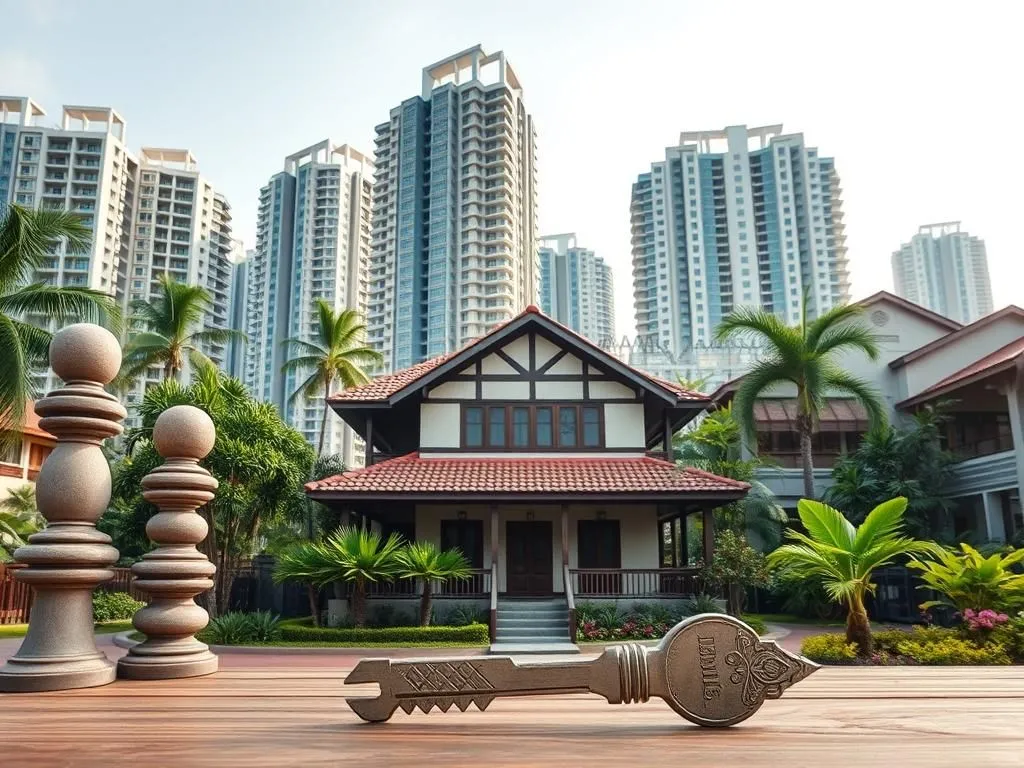
An urban skyline featuring mixed high-rise residences in Kuala Lumpur, reflecting the breadth of opportunities for foreign property investors in Malaysia
Frequently Asked Questions
Question: Can non-citizens own landed houses in Malaysia?
Answer: Yes, but only in certain states like Kuala Lumpur and Penang, and only above a certain price threshold. Approval from state authorities is also required.
Question: What is the minimum purchase value for foreigners?
Answer: It varies by state but typically ranges from RM 600,000 to RM 2 million. Each state enforces its own minimum threshold.
Question: Are foreigners allowed to rent out properties they purchase?
Answer: Yes, foreign owners can lease their properties. However, for short-term rentals like Airbnb, they must comply with local zoning and building regulations.
Disclaimer: The information is provided for general information only. JYMS Properties makes no representations or warranties in relation to the information, including but not limited to any representation or warranty as to the fitness for any particular purpose of the information to the fullest extent permitted by law. While every effort has been made to ensure that the information provided in this article is accurate, reliable, and complete as of the time of writing, the information provided in this article should not be relied upon to make any financial, investment, real estate or legal decisions. Additionally, the information should not substitute advice from a trained professional who can take into account your personal facts and circumstances, and we accept no liability if you use the information to form decisions.
