
![[object Object] icon](/_next/static/media/home.59b745c9.svg)

![[object Object] icon](/_next/static/media/buy.57cae078.svg)
![[object Object] icon](/_next/static/media/rent.2864d22a.svg)
![[object Object] icon](/_next/static/media/commercial.5f5f9bbc.svg)
![[object Object] icon](/_next/static/media/condos.8a55189e.svg)
![[object Object] icon](/_next/static/media/newLaunches.e1f1ccfd.svg)
![[object Object] icon](/_next/static/media/agents.9f8252e2.svg)
![[object Object] icon](/_next/static/media/guides.f567fc08.svg)
![[object Object] icon](/_next/static/media/contactUs.a39ef3b7.svg)
![[object Object] icon](/_next/static/media/aboutUs.e47cbd6d.svg)


The Critical Need for Data: Why a Lack of Keyword Data Makes Decision-Making Impossible in the AI Age
Key Takeaways
- Lack of Keyword Data: Decision-making in the AI age is severely hampered, often becoming impossible, without specific and relevant data.
- AI's Broad Impact: Artificial Intelligence is a transformative force affecting diverse sectors globally, from agriculture and healthcare to international trade.
- Ethical Considerations: The human aspect of AI, including job displacement and ethical dilemmas, necessitates careful thought and data-driven policies to ensure fairness and safety.
- Data as a Compass: Comprehensive data is the fundamental guide for crafting effective AI strategies, addressing societal concerns, protecting information, and establishing robust legal frameworks.
The Critical Need for Data: Why a Lack of Keyword Data Makes Decision-Making Impossible in the AI Age
Imagine trying to build a new road without knowing where people want to go, or what kind of ground you're building on. You wouldn't know where to start, would you? This is exactly why, given the lack of actual keyword data, making sound decisions in the fast-moving world of AI can be a real struggle. In fact, it often makes it impossible to move forward with confidence. Just like a map guides a traveler, data guides us in understanding where AI is going, what challenges it presents, and how we can best use it to help our world.
Artificial Intelligence (AI) isn't just a fancy phrase anymore; it's a powerful force changing everything around us. From how we grow our food to how doctors care for us, and even how countries trade with each other, AI is weaving its way into the very fabric of our lives. But with great power comes great responsibility – and a great need for information. Without the right data, without clear insights, we're essentially flying blind. This blog post dives into why having good, solid information is so crucial for making smart choices about AI, exploring its wide-reaching impacts, and highlighting the vital role data plays in shaping our AI future. We'll look at how different parts of society are grappling with AI, the big ideas nations have, and the important questions we need to ask ourselves along the way.
Building Our AI Future: The Foundation of Data and Smart Strategies
Just like a house needs a strong foundation, the world of AI needs good data and clever plans to grow well. Everywhere we look, from quiet farms to busy government offices, people are thinking hard about how AI fits in. But without the right information, without specific "keyword data" in the example of digital strategy, it’s hard to know which path to take.
For example, imagine a farmer trying to grow food more sustainably. AI offers incredible opportunities here. By using AI, farmers can get a clearer picture of their crops and land. This helps them use less water, fewer chemicals, and still grow plenty of healthy food. It's about making farming smarter and kinder to our planet. The integration of technology in agriculture, aiming for sustainable crop production, is a prime example of how data-driven AI can lead to positive change.
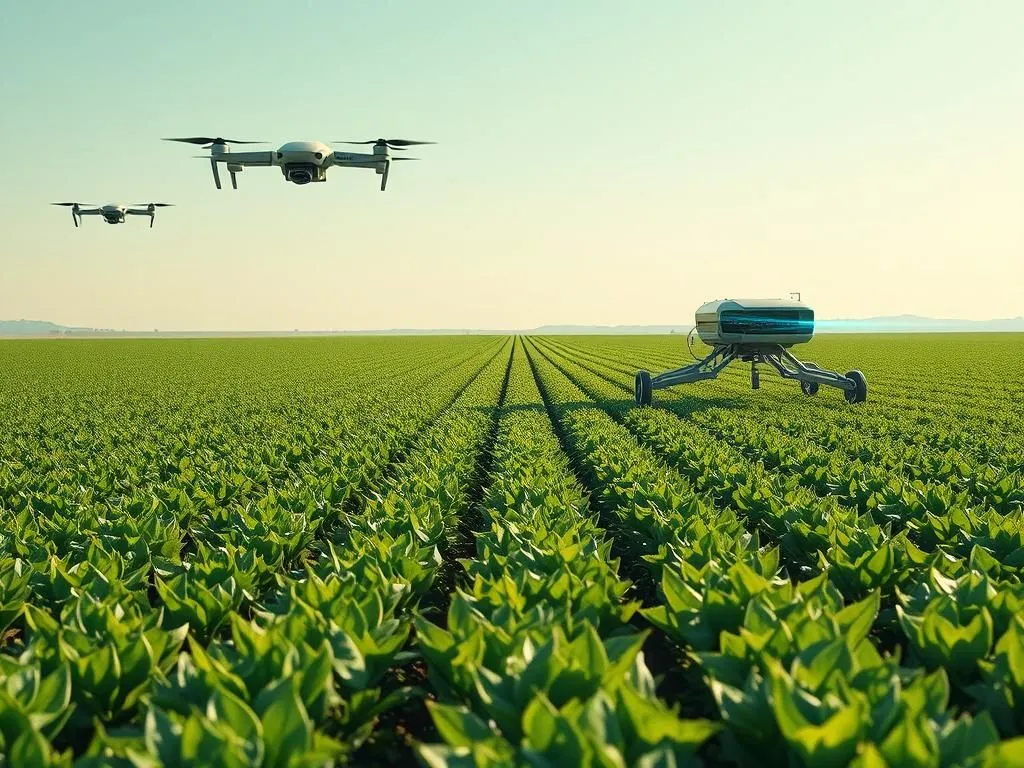
The integration of technology and artificial intelligence in agriculture enables farmers to achieve more sustainable crop production. By leveraging data, AI can optimize resource use like water and chemicals, leading to healthier yields and environmentally kinder farming practices. This data-driven approach is crucial for addressing global food security and environmental challenges.
This kind of smart farming, where AI helps us grow food better, is highlighted by researchers exploring the digitalization of agriculture for sustainable crop production1. It shows how clear data about soil, weather, and plants, when fed into AI systems, can lead to incredible breakthroughs.
Nations around the globe are also figuring out their own big plans for AI. They know it's a game-changer. Take India, for instance. India has a detailed plan which clearly outlines how it wants to use AI to help its people and society grow. These national strategies are crucial because they set the rules and goals for how AI will be used, making sure it benefits everyone. Without a clear understanding of their own needs and the global AI landscape – essentially, without their own "keyword data" for national development – such comprehensive strategies would be impossible to craft. Malaysia, for example, is also embracing AI for urban planning and development, showcasing national adoption of AI2, 3.
The Human Side of AI: Ethics, Jobs, and Everyday Life
While AI brings many exciting possibilities, it also brings up important questions, especially about how it affects people. These are called ethical considerations, and they are super important.
One big question is about jobs. AI can help us do many tasks faster and more efficiently, but what does this mean for the people who used to do those tasks? It's a tricky area that needs careful thought. We also see this in the job search itself. More and more people are using AI to help them write their resumes. While this can seem helpful, there's a real warning sign here. Relying too much on an AI-generated resume can actually be a pitfall, as some have noted4. Why? Because a resume needs to truly reflect you, your unique skills, and your personality. AI might miss those personal touches or even make things up that aren't quite right. Just as a business needs specific keyword data to target its audience, a job seeker needs to present authentic, accurate data about themselves.
Beyond resumes, the broader ethical considerations surrounding AI cannot be ignored. These are the big ideas about what is right and wrong when we create and use AI. The European Parliament has even studied the ethics of artificial intelligence: issues and initiatives5, showing how seriously leaders are taking these questions. They want to make sure AI is fair, safe, and works for everyone, not just a few. This means thinking about things like privacy, bias in AI systems, and who is responsible when AI makes a mistake. Without deep insights into these ethical dilemmas – which you could consider the "moral keyword data" of AI – we risk building systems that do more harm than good.
AI in a Connected World: Trade, Health, and Movement
Our world is more connected than ever, and AI is playing an increasingly important role in how we interact across borders and care for one another. Just as a business needs market data to navigate international trade, society needs comprehensive data to guide AI's integration into these complex areas.
Think about international trade. Countries buy and sell goods and services from each other all the time. But sometimes, there are barriers that make this trade difficult. These could be taxes on imported goods, strict rules, or other hurdles. The 2025 National Trade Estimate Report on Foreign Trade Barriers6 details many of these issues. While this report doesn't directly mention AI, we can imagine how AI could help. AI could analyze massive amounts of trade data to spot these barriers faster, predict future trade challenges, or even suggest ways to make trade smoother and fairer. It's all about using information to make better decisions in a very complex global system.
Healthcare is another area where AI has enormous potential. Doctors and hospitals deal with huge amounts of information every day. AI can help them process this data to provide better care. For example, specific guidelines exist for conditions like Benign Prostatic Hyperplasia (BPH), as laid out by the Benign Prostatic Hyperplasia (BPH) Guideline - American Urological7. AI could assist doctors in quickly understanding and applying these complex guidelines, leading to more accurate diagnoses and treatments.
But with all this health data, protecting it becomes critically important. Our personal health information is private, and we need to make sure it stays that way. A systematic analysis of failures in protecting personal health data8 looked into why this data sometimes isn't kept safe. AI tools, while powerful, must be developed with the strongest security measures to prevent breaches and protect patient privacy. This underscores the need for "security keyword data" and best practices in AI development.
Our ability to move around, known as mobility, also changes as we get older. Challenges and opportunity in mobility among older adults9 discusses the difficulties and chances for improvement in helping older people stay active and independent. AI could play a role here, perhaps by creating smart mobility aids, designing safer environments, or even helping transportation systems adapt to the needs of an aging population.
And speaking of movement, the very concept of migration – the movement of people from one place to another – is a global phenomenon. AI could help analyze migration patterns, understand the reasons behind them, and assist in managing the resources needed to support people on the move. However, this also brings back those ethical questions: how do we ensure AI is used humanely and fairly in such sensitive situations? The data used here would need to be handled with extreme care and transparency. It's important to consider the ethical implications, particularly when AI is used in sensitive sectors like real estate10, 11.
Setting the Rules: Legal Frameworks and Clear Communication for AI
As AI becomes more integrated into every corner of our lives, having clear rules and ways of working is absolutely essential. This applies to everything from how governments make deals to how scientists share their findings. Just like a builder needs blueprints and contracts, the AI world needs strong legal and operational frameworks, guided by a clear understanding of its implications – the "legal keyword data," if you will.
Consider the rules that guide how governments buy things, especially big, important contracts. These rules are very detailed and cover everything from what needs to be included in a proposal to how agreements are put in place. Part 52 - Solicitation Provisions and Contract Clauses12 gives us a peek into these complex legal frameworks. When governments buy or develop AI systems, they need equally clear and robust rules. These rules help make sure that the AI is built properly, used responsibly, and that everyone involved knows what to expect. Without such clarity, without defining the 'terms and conditions' of AI deployment, chaos could ensue, making effective decision-making impossible.
Even in the world of science and research, clear rules are vital. When scientists write about their discoveries, they follow strict guidelines. For example, The FEBS Journal13 offers detailed author guidelines. These guidelines ensure that research is shared in a clear, consistent, and understandable way. This is a good lesson for AI development too. When we talk about AI, we need to use clear language. We need to explain how AI works, what its limits are, and what data it uses. This helps everyone, from experts to everyday people, understand AI better and make informed choices about it. The need for transparency and clear communication, much like the precision in scientific author guidelines, is a crucial form of "informational keyword data" for the broader public to engage with AI meaningfully.
Conclusion: Data is the Compass for Our AI Journey
The journey into the age of AI is an incredibly exciting one, full of potential to change our world for the better. We've seen how AI can help farms become more sustainable, how nations are making big plans for its use, and how it touches crucial areas like healthcare, international trade, and the movement of people. Yet, through all these amazing advancements, a consistent and powerful message emerges: data is everything.
Just as the original query highlighted that a lack of actual keyword data makes decision-making impossible, the same truth applies across the vast landscape of AI. Without clear data, detailed research, and a deep understanding of the context, we cannot make intelligent decisions. We can't build effective strategies, address ethical concerns, protect sensitive information, or create fair legal frameworks.
From understanding the specific needs of a crop in a field to crafting national AI policies, from safeguarding personal health data to navigating the complexities of global trade, data serves as our compass. It guides us, informs us, and empowers us to harness AI's incredible power responsibly and effectively. As AI continues to evolve, our ability to gather, analyze, and ethically use data will define our success. The future of AI is not just about smart machines; it's about smart decisions, and smart decisions always begin with the right information. Let us always seek that crucial data, for it is the foundation upon which a truly beneficial AI future will be built.
Frequently Asked Questions
Question: Why is a lack of keyword data problematic for AI decision-making?
Answer: Without relevant keyword data, AI systems lack the necessary information to understand contexts, predict outcomes accurately, or formulate effective strategies, making informed decision-making virtually impossible.
Question: How does AI contribute to sustainable agriculture?
Answer: AI helps farmers by providing clear insights into crops and land, optimizing resource usage like water and chemicals, which leads to healthier yields and more environmentally friendly farming practices.
Question: What are some ethical considerations associated with AI?
Answer: Key ethical concerns include AI's impact on employment, ensuring privacy and data protection, preventing bias in AI systems, and establishing accountability for AI-driven decisions or mistakes.
Disclaimer: The information is provided for general information only. JYMS Properties makes no representations or warranties in relation to the information, including but not limited to any representation or warranty as to the fitness for any particular purpose of the information to the fullest extent permitted by law. While every effort has been made to ensure that the information provided in this article is accurate, reliable, and complete as of the time of writing, the information provided in this article should not be relied upon to make any financial, investment, real estate or legal decisions. Additionally, the information should not substitute advice from a trained professional who can take into account your personal facts and circumstances, and we accept no liability if you use the information to form decisions.