
![[object Object] icon](/_next/static/media/home.59b745c9.svg)

![[object Object] icon](/_next/static/media/buy.57cae078.svg)
![[object Object] icon](/_next/static/media/rent.2864d22a.svg)
![[object Object] icon](/_next/static/media/commercial.5f5f9bbc.svg)
![[object Object] icon](/_next/static/media/condos.8a55189e.svg)
![[object Object] icon](/_next/static/media/newLaunches.e1f1ccfd.svg)
![[object Object] icon](/_next/static/media/agents.9f8252e2.svg)
![[object Object] icon](/_next/static/media/guides.f567fc08.svg)
![[object Object] icon](/_next/static/media/contactUs.a39ef3b7.svg)
![[object Object] icon](/_next/static/media/aboutUs.e47cbd6d.svg)


AI's Global Impact: Unpacking Innovation Across Industries
Key Takeaways
- Adaptive Learning: AI personalizes education by adjusting learning paths to individual student needs and progress.
- Precision Healthcare: Artificial intelligence enhances diagnosis, predicts illness, and accelerates drug discovery, leading to more tailored treatments.
- Data Mastery: AI streamlines enterprise data management, transforming raw information into actionable insights for strategic decision-making.
- Sustainable Practices: AI supports environmental efforts by optimizing resource use in industries like fashion and analyzing ESG factors for responsible business.
- Research Acceleration: AI tools boost the efficiency of critical appraisal and literature reviews, speeding up scientific progress.
- Standardization & Security: AI helps in patent landscaping, demographic data analysis, and safeguarding financial transactions by identifying fraud.
- Digital Evolution: AI drives constant improvements in digital platforms, optimizing online advertising and enhancing user experience.
Have you ever stopped to think about how much artificial intelligence (AI) has changed our world lately? It's not just in the news; it's everywhere, touching almost every part of our lives. From how we learn to how we take care of our health, and even how our clothes are made, AI's global impact: unpacking innovation across industries is happening right before our eyes. This week, we're diving deep into the amazing ways AI is shaking things up, making everything smarter, faster, and sometimes, a little more confusing – but always exciting!
AI isn't just a fancy buzzword; it's a powerful tool that's helping us solve old problems and create entirely new possibilities. We're talking about computers learning, understanding, and even making decisions in ways that used to be only in science fiction movies. Our journey today will take us through different sectors, showing how AI is not just trendy, but truly transformative. Get ready to explore the exciting frontiers where AI is leading the charge!
AI in Education: Smart Learning for Everyone
Imagine a school where every lesson is perfectly suited for you. Not too easy, not too hard, but just right to help you learn best. This isn't a dream! AI is making "adaptive learning" a reality, especially in online education. Adaptive learning uses AI to understand how each student learns. It figures out what you know, what you struggle with, and even how quickly you grasp new ideas. Then, it changes the lessons, practice questions, and even the way information is presented, just for you.
This means if you're stuck on a math problem, the AI system won't just move on; it might offer a different explanation, a video, or more practice problems on that specific topic. On the other hand, if you're a super-fast learner, it can give you more challenging tasks to keep you engaged. It's like having a personal tutor who knows exactly what you need, 24/7!
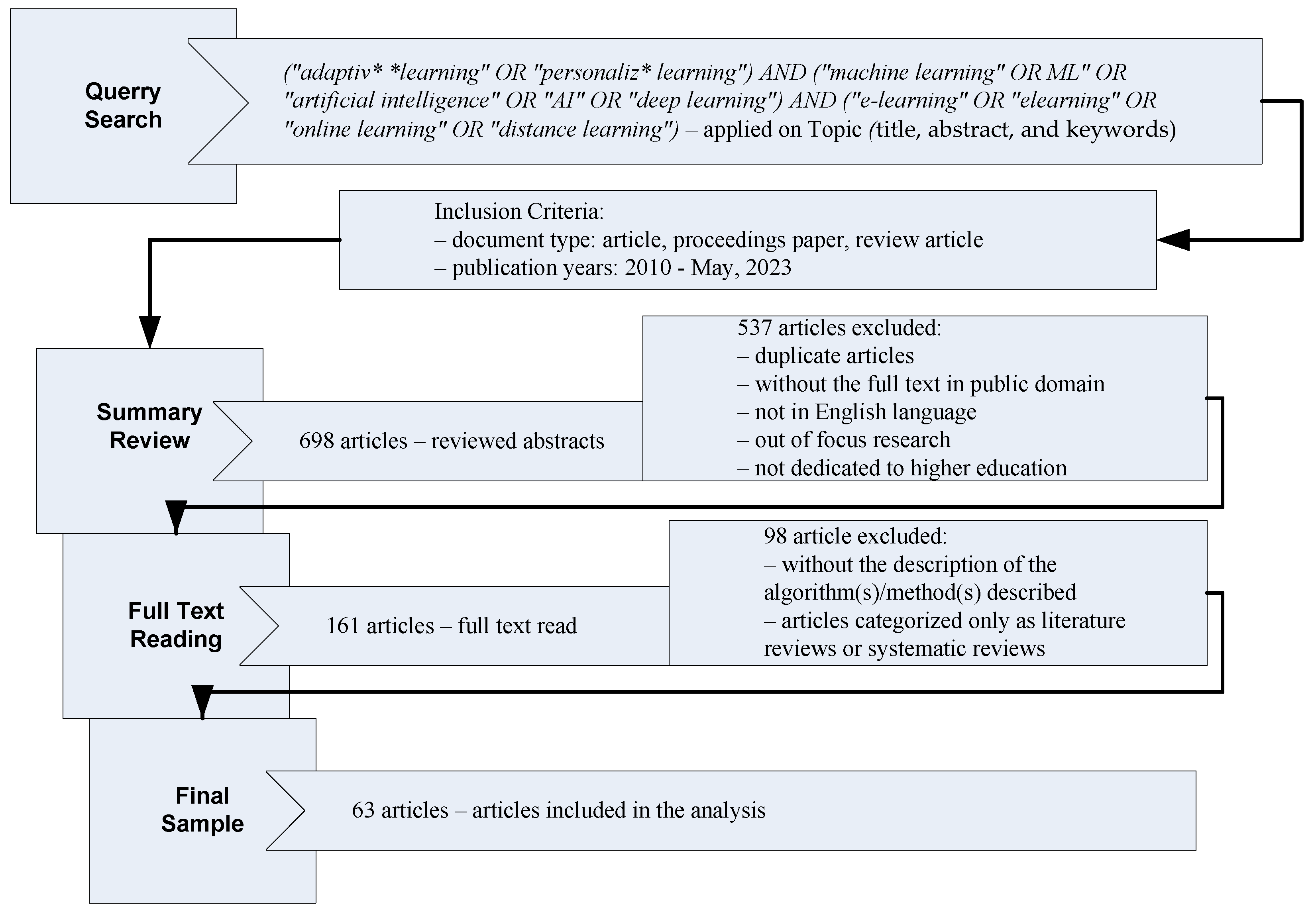
A deep dive into adaptive learning using artificial intelligence in e-learning shows us just how exciting this is. This research highlights how AI models are built to adapt to learners' needs, offering a dynamic and personalized educational journey. It's moving us towards a future where learning is not a one-size-fits-all experience, but a tailored adventure for every single student. This system can even track progress and help teachers understand where their students need the most help, making their jobs easier and more effective too. It’s a win-win for everyone involved in learning1.

Adaptive learning systems leverage artificial intelligence to personalize educational content for students. These systems continuously adjust the learning path based on individual student progress and needs. The goal is to provide a dynamic and tailored educational journey that optimizes learning outcomes for everyone.
Revolutionizing Healthcare with Emerging Tech
Our health is one of the most important things in our lives, and AI is stepping in to make healthcare better and more personal than ever before. Think about how doctors figure out what's wrong with us or how they decide on the best treatment. AI and other new technologies are giving them superpowers!
Recent studies show us a future where healthcare is smarter and more precise. AI can help doctors look at X-rays or MRI scans and spot tiny problems that human eyes might miss. It can even help predict if someone is likely to get a certain illness based on their genes or lifestyle. This means doctors can catch problems earlier and give patients the right care faster2.
But it's not just about finding diseases. AI is also helping to develop new medicines and treatments. It can quickly analyze tons of information about different drugs and how they interact with our bodies, speeding up the process of finding cures. Imagine a world where medicine is tailored exactly to your body, based on your unique genetic makeup. AI is bringing us closer to that reality, promising a future of more effective and individualized care for everyone. These emerging technologies are paving the way for a healthcare system that is proactive, personalized, and incredibly efficient, ultimately improving the quality of life for countless individuals around the globe.
Mastering Data: The Brains Behind the Operations
In today's fast-paced world, information is everywhere! Businesses, governments, and even schools collect massive amounts of data every second. Think about all the things you do online, or all the numbers a big company crunches every day. This huge pile of information, or "enterprise data," needs to be managed carefully. If not, it can be messy and not very useful. This is where AI steps in as a true hero!
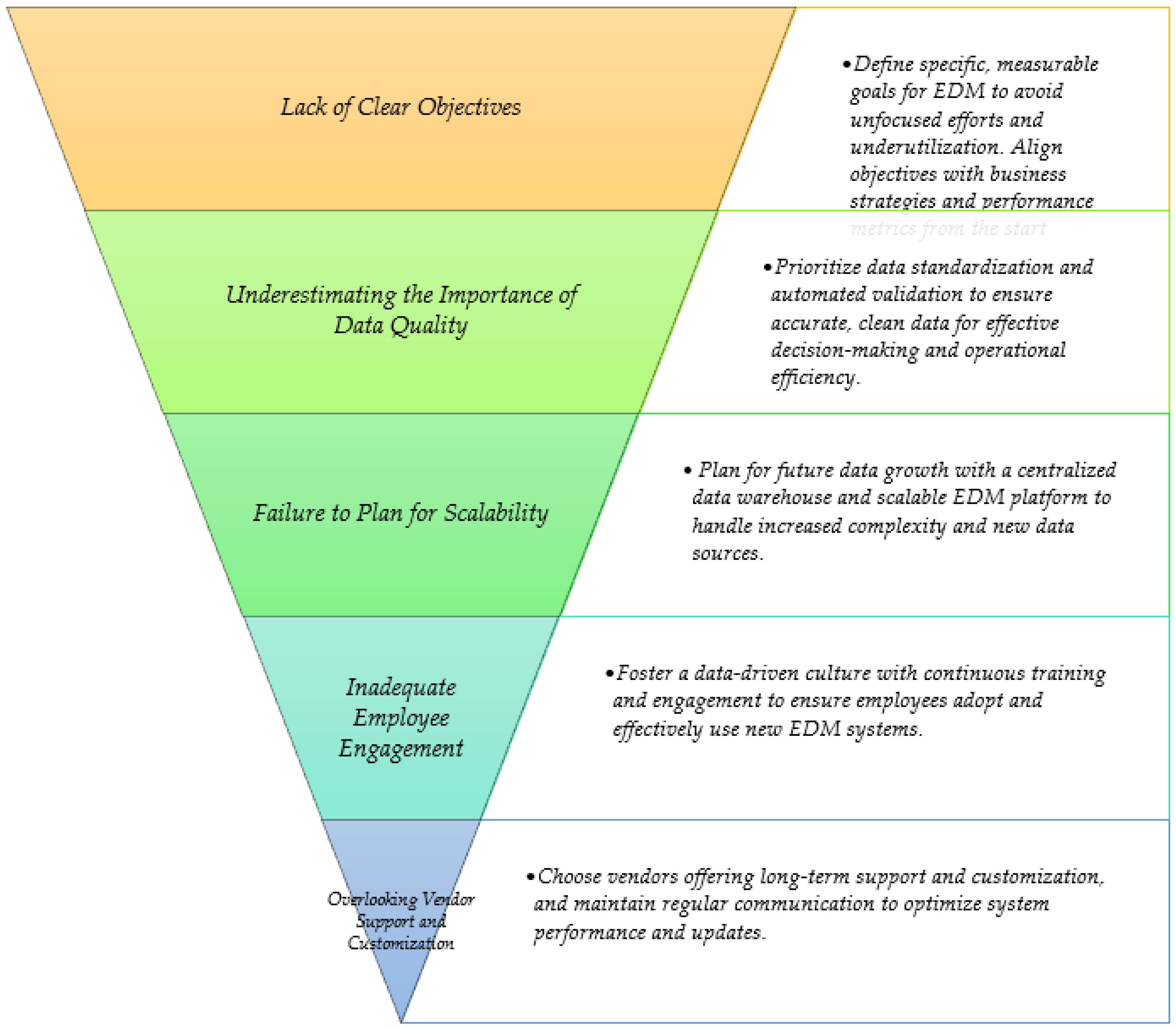
AI helps us make sense of all this data. It's like having a super-smart librarian who can quickly organize millions of books, find exactly what you need, and even tell you interesting facts about them. Research on enterprise data management explores the different kinds of data and how important it is to manage them well. AI tools can automatically sort, clean, and analyze this data, finding patterns and insights that humans might never discover3.
For companies, this means they can understand their customers better, make smarter business decisions, and even predict what might happen in the future. For example, an online store can use AI to figure out what products you might like based on your past purchases, making your shopping experience much more enjoyable. AI makes data management not just about storing information, but about turning it into real, useful knowledge that drives progress and helps organizations run smoothly and efficiently in real-time.
Driving Sustainability: AI's Role in a Greener Future
Our planet needs our help, and people are looking for smarter ways to live and work that are kinder to the Earth. This is called sustainability, and AI is playing a big part in making it happen across many industries. One area where this is really important is in fashion, believe it or not!
The fashion industry has a big impact on the environment, from how clothes are made to how they are thrown away. People are asking how consumers can behave sustainably in the fashion industry. And AI can help! AI can predict fashion trends more accurately, helping companies make just enough clothes so less is wasted. It can also help design clothes that last longer or are easier to recycle. For shoppers, AI tools could even suggest brands that are truly eco-friendly or help them find sustainable alternatives to their usual purchases4.
Beyond fashion, AI is also crucial in understanding Environmental, Social, and Governance (ESG) factors. ESG refers to how a company acts towards the environment, its employees and society, and how it is run fairly. Research explores what makes companies focus on these important factors. AI can analyze vast amounts of data—from a company's energy use to its labor practices—to give investors and consumers a clearer picture of its true sustainability efforts. This helps everyone make better choices, encouraging businesses to be more responsible and helping us all move towards a healthier planet. AI isn't just about efficiency; it's about building a future where innovation and responsibility go hand in hand5.
The Science of Knowledge: AI in Research and Information
In our quest for knowledge, researchers spend countless hours gathering, reading, and understanding information. It's a huge job to make sure the information is correct and truly useful. This is where AI can be a game-changer, helping researchers work smarter and faster!
When scientists conduct studies, it's super important to make sure their work is good and trustworthy. This is called "critical appraisal," and it means carefully checking if the research was done well and if the results can be trusted. The critical appraisal of clinical research talks about how important this step is. AI tools can assist researchers by quickly scanning through mountains of studies, looking for common issues or strong points that might take humans weeks to find. It can help flag potential problems or highlight particularly strong evidence, making the appraisal process more efficient6.
And what about finding all the previous research on a topic? This is called a "literature review," and it's a foundational step for any new study. As explained in systematic approaches to a successful literature review, doing this systematically is key. AI-powered search engines and analysis tools can help researchers identify relevant papers, categorize them by topic, and even summarize key findings. This saves an enormous amount of time, allowing researchers to focus more on new discoveries rather than just searching for existing ones. By enhancing our ability to assess research quality and conduct thorough literature reviews, AI is accelerating the pace of scientific progress and helping us build a more reliable base of knowledge7.
Setting Standards: AI in Global Guidelines and Data
In our connected world, setting clear rules and understanding big patterns is super important. Whether it's about new inventions or knowing how many people live in a country, standards and good data help us all make better decisions. Guess what? AI is helping us here too!
When someone invents something new, they often want to protect their idea with a patent. Before applying for a patent, it's smart to see what other similar inventions already exist. This is called "patent landscaping," and it can be a complicated job. Guidelines for preparing patent landscape reports help people understand how to do this. AI can make this process much faster and more accurate. It can quickly search through millions of patents worldwide, identify trends in innovation, and even spot areas where new inventions are most needed. This helps inventors and companies make smart choices about where to put their efforts and investments8.
Also, knowing about people – how many there are, where they live, how old they are – is called demographic data. This information is gathered through things like censuses, as detailed in principles and recommendations for population and housing censuses. Governments use this data to plan schools, hospitals, and roads. AI can help process these huge amounts of demographic data, find patterns, and even predict how populations might change in the future. This helps countries plan better for everyone, ensuring resources are allocated where they are most needed. AI is becoming an essential tool for understanding complex global information and for making sure our world works more smoothly and fairly9.
Safeguarding Transactions and Shaping Public Conversations
Even in areas you might not immediately connect with AI, like finance and public relations, artificial intelligence is quietly making a difference. It’s all about making systems more secure, efficient, and effective.
Think about how you pay for things with a credit card. There are lots of rules that make sure your money is safe and that transactions happen correctly. These are detailed in documents like Visa Core Rules and Visa Product and Service Rules. While these rules are human-made, AI can play a role in making sure they are followed and in spotting any suspicious activity quickly. AI systems can analyze millions of transactions in real-time, looking for patterns that might suggest fraud or other problems. This helps protect both your money and the financial system as a whole, making online and in-person payments more secure for everyone10.
On another front, how organizations talk to the public and manage their image is incredibly important. This is often handled by "public affairs" teams, and they have handbooks, much like the ACO/ACT - Public Affairs Handbook - 2020, to guide their work. While public affairs is about human connection and strategy, AI can assist these teams by analyzing public sentiment online, tracking how news spreads, and even helping to craft messages that resonate with different groups of people. AI can sift through social media and news articles faster than any human, providing insights that help organizations understand public opinion and communicate more effectively. So, whether it's protecting your money or helping an organization share its message, AI is working behind the scenes to improve many aspects of our daily lives11.
Keeping Up with the Pace: AI and Digital Evolution
The digital world never stops changing, and keeping up can feel like a full-time job! Whether you're a business trying to reach customers or someone just trying to understand the latest tech, things move fast. And guess what's driving a lot of that speed? You guessed it – AI!
Consider the world of online advertising, for example. Companies use platforms like Google Ads to show you relevant advertisements. These platforms are constantly getting new features and updates, as seen in new features & announcements from Google Ads Help. A huge part of why these ads are so effective (or sometimes, a little too effective!) is AI. AI algorithms learn what you're interested in, what you've searched for, and even what time of day you're most likely to make a purchase. They then use this information to show you ads that are most likely to catch your eye12.
This constant evolution, powered by AI, means that businesses can be more efficient in reaching their audience, and users can often find products and services that truly match their needs. AI is at the core of making these digital tools smarter, faster, and more responsive. It helps platforms understand user behavior, optimize content delivery, and refine targeting strategies, ensuring that the digital experience is continually improving and adapting to our ever-changing online habits. It's a reminder that AI is not just about grand, futuristic ideas, but also about the small, constant improvements that shape our everyday digital interactions.
The Future is Now: AI's Endless Possibilities
As we’ve explored, AI's global impact: unpacking innovation across industries is much more than a trend; it's a fundamental shift in how we approach problems, create solutions, and live our lives. From making learning personal for every student to helping doctors discover new treatments, and from ensuring our data is well-managed to guiding us towards a greener future, AI is everywhere. It helps researchers find reliable information faster, makes global standards clearer, protects our financial transactions, and even helps shape how organizations communicate with us.
The exciting part is that this is just the beginning. The constant updates and new features in areas like online advertising show that AI is not standing still. It's an ever-evolving field that promises even more amazing breakthroughs in the years to come. As AI continues to grow and learn, it will keep opening up new doors and challenging us to think differently about what's possible. So, next time you hear about AI, remember it’s not just a complex technology; it’s a powerful force shaping a smarter, more connected, and more innovative world for all of us. The future is not just coming; it’s being built right now, with AI leading the way!
Frequently Asked Questions
Question: What is adaptive learning?
Answer: Adaptive learning systems leverage artificial intelligence to personalize educational content for students. These systems continuously adjust the learning path based on individual student progress and needs. The goal is to provide a dynamic and tailored educational journey that optimizes learning outcomes for everyone.
Question: How does AI help with data management?
Answer: AI helps in organizing, cleaning, and analyzing vast amounts of enterprise data. It identifies patterns and insights, enabling smarter business decisions and more efficient operations in real-time.
Question: What is AI's role in sustainability?
Answer: AI contributes to sustainability by helping industries like fashion predict trends to reduce waste and by analyzing Environmental, Social, and Governance (ESG) data to promote responsible business practices.
Disclaimer: The information is provided for general information only. JYMS Properties makes no representations or warranties in relation to the information, including but not limited to any representation or warranty as to the fitness for any particular purpose of the information to the fullest extent permitted by law. While every effort has been made to ensure that the information provided in this article is accurate, reliable, and complete as of the time of writing, the information provided in this article should not be relied upon to make any financial, investment, real estate or legal decisions. Additionally, the information should not substitute advice from a trained professional who can take into account your personal facts and circumstances, and we accept no liability if you use the information to form decisions.