
![[object Object] icon](/_next/static/media/home.59b745c9.svg)

![[object Object] icon](/_next/static/media/buy.57cae078.svg)
![[object Object] icon](/_next/static/media/rent.2864d22a.svg)
![[object Object] icon](/_next/static/media/commercial.5f5f9bbc.svg)
![[object Object] icon](/_next/static/media/condos.8a55189e.svg)
![[object Object] icon](/_next/static/media/newLaunches.e1f1ccfd.svg)
![[object Object] icon](/_next/static/media/agents.9f8252e2.svg)
![[object Object] icon](/_next/static/media/guides.f567fc08.svg)
![[object Object] icon](/_next/static/media/contactUs.a39ef3b7.svg)
![[object Object] icon](/_next/static/media/aboutUs.e47cbd6d.svg)
.webp)

Your Guide to Navigating Tax in Malaysia: What Everyone Needs to Know
Key Takeaways
- Progressive Tax System: Malaysia employs a progressive tax system where higher earners pay a larger percentage of their income in taxes.
- Special Expat Rules: Specific tax benefits and obligations apply to expatriates and non-residents, depending on their stay duration and income sources.
- Evolving Policies: Malaysia's tax system continuously adapts to global changes, incorporating digital taxes, health-focused levies, and social welfare adjustments.
- International Agreements: The country engages in global tax standards and trade frameworks to facilitate international commerce and prevent double taxation.
- Importance of Compliance: Understanding Malaysian tax laws is crucial for both individuals and businesses to ensure compliance and contribute to national growth.
Have you ever wondered about the invisible strings that help run a country? Well, tax in Malaysia is one of those crucial strings! It’s how the government collects money to build roads, schools, hospitals, and keep everything running smoothly for everyone. But tax isn’t just one big thing; it’s a whole world of rules and numbers that touches individuals, businesses, and even how Malaysia works with other countries1.
It might sound a bit complicated, but don’t worry! In this guide, we're going to break down the ins and outs of tax in Malaysia in a way that’s easy to understand. We’ll look at how individuals pay their share, what special rules apply to people from other countries living here, and how Malaysia’s tax system is always changing to keep up with the world. Get ready to uncover the secrets of how money flows in and out of the nation’s pockets!
The Basics of Individual Income Tax in Malaysia
Let’s start with something many of us deal with: individual income tax. This is the money you pay from your salary or other earnings. In Malaysia, understanding how this works is super important for everyone, whether you're just starting your first job or you're a seasoned professional.
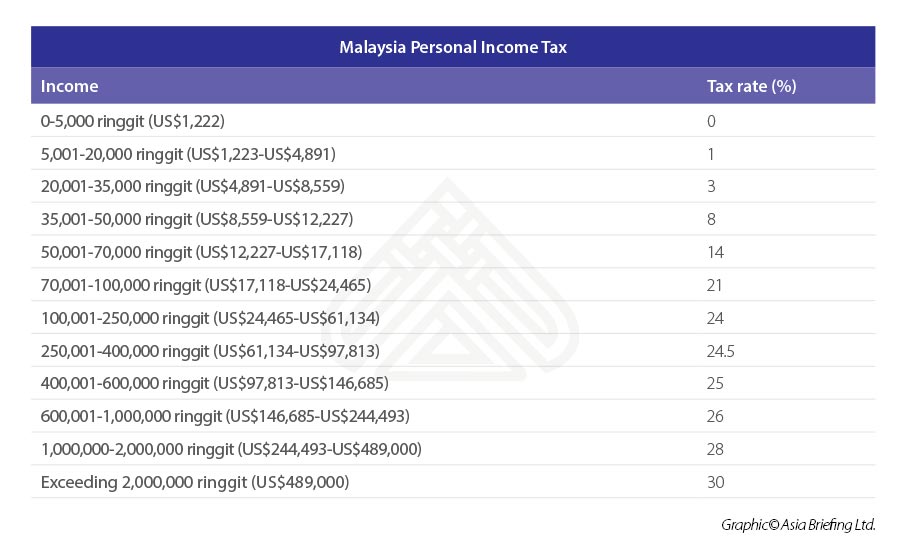
The main body in charge of collecting taxes from individuals in Malaysia is called the Lembaga Hasil Dalam Negeri Malaysia, often shortened to LHDN or Inland Revenue Board of Malaysia. They set the rules and make sure everyone pays their fair share. What’s really interesting is that not everyone pays the same amount of tax. The more money you earn, the higher your tax rate usually is. This is called a "progressive tax system"2. You can find all the details about the different rates on the LHDN website.
Think of it like this: if you earn a little, you pay a little. If you earn a lot, you pay a bit more. This system helps make things fairer for everyone. PWC, a big company that knows a lot about taxes, also shares helpful information about taxes on personal income in Malaysia, which can be a great place to start if you want to dive deeper.
But how do you even declare your income? Well, LHDN has a whole section on their website dedicated to the "individual life cycle" of how to do just that. It's designed to guide you through the process, making sure you know what income you need to report and how to calculate your taxes. It's all about being transparent and following the guidelines set by the government.
A general guide on Tax in Malaysia from HSBC Expat highlights that Malaysia’s tax system is structured to be relatively straightforward for residents, but it's always good to be informed. This guide can give you a good overall picture of what to expect when living and working in Malaysia.
Special Rules for Expats and Non-Residents
Now, what if you're not from Malaysia but you're living and working here? These individuals are called expatriates, or "expats" for short. Tax rules can be a bit different for them! Malaysia offers some unique benefits and obligations depending on how long an expat stays in the country and where their income comes from.
For example, if you’re an American living in Malaysia, there’s even a special guide just for you! The Malaysia Tax Guide for American Expats helps American citizens understand their tax duties both to Malaysia and back home to the USA. It’s important because the tax rules between countries can be tricky, and you want to make sure you’re following all the right steps.
Similarly, there are insights into Individual Income Tax in Malaysia for Expatriates that detail their unique tax obligations and benefits. These can include things like special tax exemptions for certain types of income or depending on how long they have been working in Malaysia. It’s all about creating an inviting environment for global talent while ensuring everyone contributes fairly to the Malaysian economy.
It's clear that the Malaysian tax system is designed to be fair but also recognizes the different situations people might be in. Whether you’re a local or an expat, understanding these individual tax rules is the first step to being a responsible financial citizen in Malaysia. It’s not just about paying money; it’s about contributing to the country’s growth and future.
The Foundations of Malaysian Tax Law
Before we dive into the exciting changes happening in Malaysian tax, it’s helpful to understand that this whole system is built on a strong foundation of laws and principles. Just like how a big building needs a solid base, the tax system relies on clear legal rules to work properly.
.webp)
Malaysian tax law is built upon a strong foundation of legal principles and regulations. These carefully crafted laws ensure fair and consistent tax collection, providing stability and structure to the entire national tax system. This robust legal framework dictates everything from who pays tax to compliance procedures.
This textbook picture reminds us that behind every tax rate and every rule, there are laws that have been carefully thought out and written down. These laws make sure that tax collection is fair, consistent, and that everyone knows what to expect. They cover everything from who needs to pay tax, to how much, and what happens if someone doesn't follow the rules. This legal framework is super important because it provides the structure and stability for Malaysia’s entire tax system. Without it, things would be very confusing and unfair!
Malaysia's Evolving Tax Policies: Adapting to a Changing World
The world never stands still, and neither does Malaysia’s tax policy! Just like how technology and society are always moving forward, the government often updates its tax rules to keep up with new challenges and opportunities. These changes are not just random; they are carefully planned to help Malaysia grow, protect its citizens, and adapt to modern times.
Let's look at some exciting examples of how Malaysia’s tax system has been changing and what that means for everyone.
Embracing the Digital Age: Malaysia's Digital Tax Policy
In today's world, so much business happens online. From buying things on websites to streaming movies and using apps, the digital economy is booming! But how do you tax something that doesn't have a physical shop? This is a big question many countries face.
Malaysia has stepped up to this challenge by implementing its Digital Tax Policy3. This is a smart move to make sure that online services and products also contribute to the country’s economy, just like traditional businesses do. Imagine buying a new video game online or subscribing to a music service; a digital tax means these types of transactions are also part of the tax system. This policy helps create a level playing field between old and new businesses and ensures the government can fund important services, even as the economy shifts online. It shows Malaysia is forward-thinking and ready for the future!
A Victory for Women: Lifting the 'Tampon Tax'
Sometimes, tax policies can change to reflect what society believes is fair and important. A great example of this happened when Malaysia finally lifted the 'tampon tax' on menstrual hygiene products. This was big news, and you can read more about it in an article from Global Citizen.
What was the 'tampon tax'? Well, for a long time, many countries, including Malaysia, put a tax on menstrual products like tampons and pads. These products were often seen as "luxury" items, even though they are necessities for women's health and hygiene. People argued that this was unfair, as these items are not optional.
By lifting this tax, Malaysia made a clear statement: menstrual hygiene products are essential, not luxury. This policy change helps make these important items more affordable for everyone and shows a growing understanding and support for women's health issues. It’s a wonderful example of how public opinion and social awareness can lead to real, positive changes in tax laws4.
Sweet Deals and Health Goals: The Sugar-Sweetened Beverages Tax
Governments don't just use taxes to raise money; sometimes, they use them to encourage healthier choices! That's exactly what happened with the introduction of the sugar-sweetened beverages tax in Malaysia. This tax is applied to drinks that have a lot of sugar, like sodas and some juices.
Why do this? The idea is to make these sugary drinks a little bit more expensive, hoping that people will buy and drink less of them. The goal is to improve public health by reducing the amount of sugar people consume, which can help fight problems like diabetes and obesity. There's even research about how people reacted to this tax5.
This tax shows how Malaysia is using its tax system as a tool for public health initiatives. It's a way for the government to gently guide its citizens towards healthier lifestyles, showing a commitment to the long-term well-being of the population.
Broad Changes: The Sales and Service Tax (SST)
Another area where Malaysia’s tax system has seen significant changes is with the Sales and Service Tax, or SST. This tax applies to many goods and services that you buy and use every day. It's been around for a while, but the rules and what it applies to can change.
For example, the SST has recently expanded its impact on various sectors. A report by the U.S. Department of Agriculture detailed how these changes specifically impacted imported agricultural products6. This means that if you’re buying fruits, vegetables, or other food items that come from outside Malaysia, the price might be affected by these SST changes.
Changes to the SST are important because they can affect the cost of living for everyone and impact businesses. When the government adjusts the SST, it's often trying to balance different goals, like raising enough money for the country, encouraging local businesses, or managing prices for consumers. It shows the broad reach of tax policies across the entire economy.
The Forces Behind Tax Decisions: Public Policy and Global Ties
Have you ever wondered why certain taxes are introduced or changed? It’s not just about money! These policy decisions often reflect a complex interplay of various factors within the nation. Things like public policy, political connections, and effective tax rates all play a part7. This means that decisions about tax can be influenced by what the government wants to achieve for the country (like promoting health or supporting certain industries), and sometimes even by relationships between different groups or individuals. It’s a big puzzle where many pieces come together to shape the final tax rules.
Malaysia on the Global Stage: International Tax Agreements
Malaysia isn't an island when it comes to money and trade. It’s part of a huge global network! This means that its tax system also needs to work with other countries’ systems. Sometimes, countries make special agreements to avoid taxing people or companies twice on the same income, or to make trade easier.
A great example of this is the Agreement Between the United States of America and Malaysia on reciprocal trade8. These kinds of agreements show how Malaysia engages with global tax standards and works within international trade frameworks. Such agreements help businesses from both countries trade more easily and fairly, which can lead to more jobs and economic growth for everyone. They are like handshake deals between countries to ensure smooth financial interactions across borders.
These international collaborations are super important because they help Malaysia attract foreign investment, encourage international trade, and make sure that Malaysia is a trusted partner in the global economy. It’s all part of making Malaysia a strong and respected player in the world.
Conclusion: Staying Informed About Tax in Malaysia
Wow, we've covered a lot about tax in Malaysia! From how regular people pay their income tax to the special rules for those from other countries, and all the exciting ways the tax system is changing. We've seen how digital taxes are helping Malaysia keep up with the online world, how lifting the 'tampon tax' showed a commitment to fairness, and how the sugar tax aims to make us healthier. We also looked at how big policy decisions are made and how Malaysia works with other countries on tax matters.
The main takeaway is this: Malaysia's tax system is dynamic and always adapting. It's a core part of how the country operates, funds its services, and shapes its future. For individuals and businesses alike, understanding these rules and changes isn't just about following the law; it's about being an informed and active participant in Malaysia’s journey forward.
So, whether you're a local resident, an expat, or someone just curious about how things work, staying informed about tax in Malaysia is key. The world of tax might seem complex at first, but with a little curiosity and the right information, you can navigate it like a pro! Keep an eye on the news and official government sources like LHDN to always be up-to-date on the latest developments.
Frequently Asked Questions
Question: Who is responsible for collecting individual income tax in Malaysia?
Answer: The Lembaga Hasil Dalam Negeri Malaysia (LHDN), also known as the Inland Revenue Board of Malaysia, is the primary body responsible for collecting individual income tax.
Question: Are tax rules different for expatriates in Malaysia?
Answer: Yes, expatriates and non-residents may have different tax obligations and benefits based on factors like their duration of stay and income sources.
Question: How does Malaysia's tax policy adapt to global changes?
Answer: Malaysia's tax policy continuously evolves to address new challenges and opportunities, such as implementing digital tax policies for the online economy and adjusting taxes for public health initiatives.
Disclaimer: The information is provided for general information only. JYMS Properties makes no representations or warranties in relation to the information, including but not limited to any representation or warranty as to the fitness for any particular purpose of the information to the fullest extent permitted by law. While every effort has been made to ensure that the information provided in this article is accurate, reliable, and complete as of the time of writing, the information provided in this article should not be relied upon to make any financial, investment, real estate or legal decisions. Additionally, the information should not substitute advice from a trained professional who can take into account your personal facts and circumstances, and we accept no liability if you use the information to form decisions.